

Three of my cats have taught me that automatic feeders are not essential pet tech—they’re specialized tools for specific problems. The senior has never needed one. The middle cat might benefit from one during the current medication schedule. The young one would treat it as a puzzle toy to defeat. The internet pitches auto-feeders as must-haves for every cat owner; they’re not. They’re solutions for multi-cat dietary conflicts, vet-prescribed portion control, or medication timing that doesn’t align with your work schedule.
If your cat is a healthy weight, eats on a reasonable schedule, and you’re home twice daily, an auto-feeder removes enrichment without solving a problem. But when you do need one—when one cat steals another’s prescription food, when a diabetic cat requires insulin-timed meals, when a vet has prescribed calorie restriction and your work schedule makes manual portions impossible—the differences between models matter.
Do you actually need an automatic feeder? Vet decision framework
The American Veterinary Medical Association and American Animal Hospital Association support meal feeding over free-feeding for weight management, but that doesn’t automatically justify an auto-feeder. Before buying one, work through this checklist:
Medical justification (consult your vet):
- Cat requires medication timed to meals while you’re at work
- Diabetic cat needs consistent meal timing for insulin dosing
- Vet-prescribed weight loss plan requires portion control you can’t manually enforce
- Multi-cat household where one cat has prescription diet or restricted portions and they cannot be physically separated during meals
Behavioral justification:
- Dominant cat steals food from other cats despite separation attempts
- Cat wakes you at 4am for food and behavioral modification hasn’t worked after 4+ weeks
- Extended work hours (10+) make twice-daily hand feeding impractical
Not justified:
- Healthy single cat with no medical conditions (hand-feeding is enrichment)
- Kittens under one year (need multiple meals and owner interaction)
- Cats with history of boredom-related behavior issues (feeding ritual is mental stimulation)
- Convenience alone when you’re home twice daily
If you don’t check at least one box in the first two categories, an auto-feeder may solve a scheduling problem for you while creating a behavioral problem for your cat. Cornell University’s Feline Health Center notes that removing the foraging/hunting stimulus from indoor cats’ daily routine can contribute to stress behaviors—something to weigh against scheduling convenience.
At a glance
| Feature | SureFlap | PetSafe 5-Meal | WOPET | Cat Mate C500 | |---|---|---|---| | Price (as of 2025-01-15) | $150 | $50 | $70 | $65 | | Multi-cat isolation | Yes (RFID) | No | No | No | | Wet food capable | No | No | No | Yes (with ice packs) | | Max meals per day | Continuous access | 5 | 6 | 5 | | Portion accuracy | High (±5%) | Moderate (±15%) | Low (±30-40%) | High (manual) | | Best for | Multi-cat homes | Vet-supervised portion control | Simple daily feeding | Wet food feeders | | Biggest weakness | Expensive, dry only | Small capacity | Inconsistent portions | Requires daily cleaning |
SureFlap Microchip Pet Feeder — best for multi-cat homes with dietary conflicts
The SureFlap reads your cat’s existing microchip (or uses an RFID collar tag) and only opens for that specific cat. If you have three cats and one is diabetic, one is overweight, and one is fine—this solves the problem of dominant cats stealing prescription food or restricted portions. The bowl stays sealed until the correct cat approaches, then opens with a quiet motor. It works.
The catch: it’s $150, and it only handles dry food. The bowl holds about 14 ounces, so you’ll refill every 2–3 days for an average adult cat. Build quality is solid—most owners report 2+ years of daily use without motor failure. Cleaning is straightforward (dishwasher-safe bowl, wipe-down lid).
Strengths:
- Actually isolates food access in multi-cat homes (the main reason to buy it)
- Quiet operation—cats don’t spook from motor noise
- Works with existing microchips (no separate collar needed for most cats)
Weaknesses:
- Expensive for what it is (a motorized lid on a bowl)
- Dry food only—no wet option
- Some cats learn to crowd the feeder and steal food while the lid is open
Best for: Multi-cat households where at least one cat has dietary restrictions (prescription diet, weight management, medication timing) and you’ve already tried separating them during meals without success.
multi cat household feeding guide
PetSafe 5-Meal Automatic Feeder — best for vet-supervised portion control
The PetSafe 5-Meal is the go-to for cats on weight-loss plans or diabetes management where a vet has prescribed specific portion sizes and meal timing. It’s a rotating tray with five compartments—you fill each with the exact amount, program the times, and it rotates on schedule. Each compartment holds about 1 cup, which is enough for most adult cats per meal.
Portion accuracy here matters. The Association of American Feed Control Officials sets nutritional standards for complete cat foods, and when vets prescribe calorie targets (typically 180-220 calories daily for a 10-pound cat on weight loss), accurate delivery matters. The PetSafe delivers portions within about ±15% variance depending on how level you fill the compartments—better than gravity feeders, but you’re still responsible for measuring. For context, medical-grade feeders used in veterinary studies aim for ±10% or better; the PetSafe is adequate for home use but not lab-grade.
The downsides: it’s noisy (the rotation motor is loud enough to wake light sleepers), and the five-meal limit means it’s a daily-refill situation if your cat needs more than five meals. Durability is average—expect 12–18 months before the motor shows wear.
Strengths:
- Enforces portion control without requiring you to be home
- Five meal slots support most vet-prescribed feeding schedules
- Affordable at $50
Weaknesses:
- Loud motor (cats hear it coming and wait by the feeder)
- Requires daily refilling for multi-meal schedules
- ±15% portion variance acceptable for home use but not precise
Best for: Single cats on vet-prescribed weight loss or diabetes management plans where precise portions and meal timing matter more than long-term durability.
WOPET Automatic Cat Feeder — best for simple daily feeding

The WOPET is a gravity-style feeder with programmable dispensing. You set meal times and portion sizes (in cups), and it drops food into the bowl. It holds about 7 pounds of dry food, so you’ll refill weekly for one cat. At $70, it’s the budget option for owners who just need twice-daily feeding while at work.
The problem: portion accuracy is inconsistent. Multiple owner reports on Chewy and Amazon note that the “1/2 cup” setting can dispense anywhere from 1/3 cup to 2/3 cup depending on kibble size and how the hopper is loaded—that’s ±30-40% variance, well outside the ±10% standard for medical feeding applications. If your cat is a healthy weight and you’re eyeballing portions anyway, this doesn’t matter. If you’re counting calories for weight management, it’s a dealbreaker.
Battery backup exists but drains quickly (about two weeks). Most owners keep it plugged in.
Strengths:
- Large hopper capacity (7 pounds—week-long supply for most cats)
- Affordable for basic programmable feeding
- Voice recording feature (gimmicky but some cats respond to it)
Weaknesses:
- Portion accuracy is unreliable (±30-40%)—not safe for cats requiring strict calorie control
- Build quality is average (expect 1–2 years)
- Some cats learn to shake the feeder to trigger extra dispensing
Best for: Healthy-weight cats with no dietary restrictions where you need twice-daily feeding automation and portion precision isn’t critical.
Cat Mate C500 — best for wet food (with maintenance commitment)
Most automatic feeders are dry-food-only because wet food spoils. The Cat Mate C500 is a rotating tray feeder (like the PetSafe) but includes ice pack slots to keep wet food fresh for up to 24 hours. Each compartment holds about 3.5 ounces, which is a standard wet food serving for an adult cat.
The catch: you’re committed to daily cleaning. Wet food residue breeds bacteria fast, and the compartments need to be hand-washed (not dishwasher-safe—the ice pack slots don’t hold up). Most owners report this takes 10–15 minutes daily. The ASPCA recommends not leaving wet food at room temperature beyond two hours; the Cat Mate pushes that to 24 hours with ice packs, but you’re trusting the seal and the ice.
If your cat requires wet food for medical reasons (kidney disease, hydration issues) and you’re gone 12+ hours daily, this is the least-bad option. If your cat eats wet food by preference but could eat dry, a dry feeder is lower-risk.
Strengths:
- Only viable automatic option for wet food feeding
- Ice pack system does extend freshness (with caveats)
- Five meal compartments support all-day feeding schedules
Weaknesses:
- Requires daily cleaning (non-negotiable for food safety)
- Ice packs must be pre-frozen (can’t travel with this easily)
- Spoilage risk still exists if ice packs fail or compartment seal loosens
Best for: Cats on wet-food-only diets (often kidney disease patients) where the owner is gone 10+ hours daily and accepts the daily cleaning commitment.
wet vs dry cat food vet consensus
The enrichment cost: what auto-feeders remove from your cat’s day
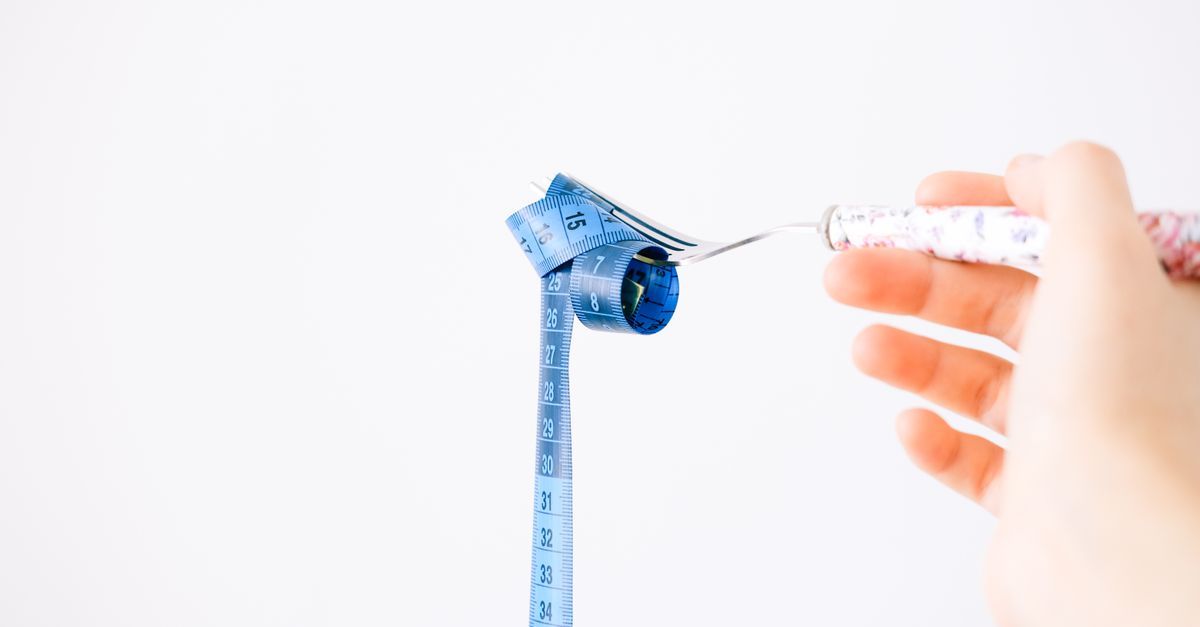
Cats are obligate carnivores who evolved to hunt multiple small prey daily—10 to 20 hunting attempts in a 24-hour period for feral cats. Indoor cats don’t hunt, but the drive remains. Hand-feeding at scheduled times provides a predictable foraging event; it’s not hunting, but it’s stimulus. An auto-feeder removes that interaction.
For medical situations (diabetes, multi-cat conflicts), that’s a reasonable trade. For convenience alone, you’re removing enrichment. The Merck Veterinary Manual notes that environmental enrichment for indoor cats should include opportunities for species-typical behavior—predatory sequences, food acquisition, social interaction. An auto-feeder eliminates food acquisition as an enrichment opportunity.
If you’re using an auto-feeder for medical reasons, consider compensating with puzzle feeders for treats, structured play sessions mimicking hunting (wand toys, not laser pointers), or timed treat-dispensing toys. Don’t assume the auto-feeder is consequence-free just because your cat eats from it without complaint. Boredom and learned helplessness are quiet problems.
Contrast with enrichment-focused feeding: slow-feeder bowls, puzzle feeders, or scatter-feeding (hiding small portions around the home) extend mealtime and engage the foraging drive. These aren’t compatible with auto-feeders, so you’re choosing between feeding automation and feeding enrichment. Choose based on your cat’s medical needs, not your schedule preferences.
cat enrichment without food
Safety warnings that matter
Choking and rapid eating: Some cats gulp food when it appears suddenly. If your cat has a history of vomiting after meals or eating too fast, an auto-feeder that dumps a full portion at once is a choking risk. Look for slow-dispense models or add a slow-feeder insert to the bowl.
Spoilage with wet food: Wet food left at room temperature for more than two hours grows bacteria. Even with ice packs (like the Cat Mate C500), you’re pushing the limit at 24 hours. If you’re considering a wet food feeder, accept that you’re increasing spoilage risk and commit to daily cleaning.
Feeder malfunction: If an auto-feeder breaks and dumps the entire hopper at once (this happens—check one-star Amazon reviews for any model), your cat can overeat to the point of gastric distension or choking. Test any new feeder for a full week before relying on it unsupervised.
Learned dependence: Cats that eat exclusively from auto-feeders for 12+ months may stop recognizing hand-fed bowls during travel or emergencies. Rotate in hand-feeding once or twice weekly even if you’re using an auto-feeder daily.
Not a substitute for vet monitoring: Auto-feeders don’t track intake or weight. Owners commonly set a portion size and assume “the feeder is managing it.” Your cat can still gain or lose weight if the portions are wrong. Weigh your cat monthly and adjust with your vet.
FAQ
Do vets recommend automatic cat feeders?
Vets recommend them for specific situations—multi-cat homes with dietary conflicts, cats on weight-loss plans requiring portion control, or diabetic cats needing consistent meal timing. They don’t recommend them for healthy single cats as a convenience tool because hand-feeding is behavioral enrichment and allows you to monitor appetite changes (often the first sign of illness).
Are automatic feeders safe for cats?
They’re safe when used correctly—meaning portion sizes are vet-approved, the feeder is tested before relying on it, and the owner monitors weight monthly. They’re not safe if used to replace owner involvement in feeding (which allows health changes to go unnoticed) or if the feeder malfunctions and over-dispenses food.
Can I use an automatic feeder for a kitten?
Not recommended. Kittens need multiple small meals daily and benefit from the routine of owner interaction during feeding. Most vets recommend hand-feeding kittens until at least one year of age. If you must use one, consult your vet for portion sizing—kittens’ caloric needs change weekly as they grow.
How accurate do automatic feeders need to be for medical feeding?
For cats on vet-prescribed calorie restriction or diabetic feeding schedules, portion variance should ideally stay within ±10% of target. Veterinary feeding studies use this as a standard. Home auto-feeders range from ±5% (SureFlap, manual tray feeders) to ±30-40% (gravity feeders like WOPET). Discuss acceptable variance with your vet based on your cat’s specific condition.
How do I know if my cat needs portion control?
Ask your vet. A body condition score assessment (a hands-on check of rib visibility and waist definition) will tell you if your cat is overweight. If your cat is overweight, your vet will prescribe target portions and calorie limits. An auto-feeder enforces those portions when you’re not home—but only if you set it correctly and monitor results.
Affiliate disclosure: This article contains affiliate links. If you purchase through these links, PawsGuides may earn a commission at no additional cost to you.
If you’re managing multiple cats with different needs, the SureFlap justifies its price. If you’re working with a vet on weight management, the PetSafe 5-Meal does what you need for less. If you’re feeding a healthy single cat and just need twice-daily automation, the WOPET is adequate—but accept the portion variance and don’t use it for medical feeding. And if you’re committed to wet food feeding and daily cleaning, the Cat Mate is your only real option.
For deeper guidance on managing multiple cats at mealtime, see multi cat household feeding guide. For readers comparing food types, best cat food for weight management covers vet-recommended brands for portion-controlled feeding.