
Hypoallergenic Cat Food: What Actually Works (And What Doesn't)
True food allergies affect only 1-2% of cats. Learn the elimination diet protocol vets actually use and why grain-free doesn't mean hypoallergenic.
Pet care that respects the animal
Pet care that respects the animal
True food allergies affect only 1-2% of cats. Learn the elimination diet protocol vets actually use and why grain-free doesn't mean hypoallergenic.

Bright-red blood in dog stool vs. dark tarry stool mean different things. Learn when bloody diarrhea needs emergency care and when you can wait for a vet appointment.

Most dog upset stomachs resolve in 48 hours with hydration and bland food. Here's how to tell if yours needs a vet, and why probiotics don't help acute cases.

Most dog allergy treats are mislabeled marketing. Learn to identify your dog's actual allergen and match treats to it—not just buy hypoallergenic labels.

Step-by-step guide to bottle raising orphaned kittens: formula types, feeding frequency by age, aspiration prevention, and when to call a vet.

The Litter-Robot 4 works brilliantly for some households and sits unused in others. Here's how to know if your cat will actually use it before you spend $500.

Learn to recognize stressed fish behavior—from clamped fins to color loss—and identify the specific stressors behind each sign so you can act within 24 hours.

Hypoallergenic dog food isn't regulated by AAFCO. Learn what works for food allergies, why elimination trials matter, and when to see your vet.

Anxiety medication for dogs works best with behavior training. Learn which medications vets prescribe, realistic timelines, side effects, and when medication is

Thundershirts help some dogs with storm and noise phobia, but they're not a cure-all. Here's what the research shows—and when they're worth trying.
Maropitant, mirtazapine, and ondansetron are the primary anti-nausea medications for cats. Learn how each works, which conditions they treat, and why metoclopramide is

Find the right dog breed for older adults. Honest guidance on size, health costs, grooming needs, and temperament—based on what actually matters in senior ownership.

Senior dog adoption brings calmer energy and fewer surprises—but higher vet costs. Here's the realistic cost breakdown, health timeline, and decision framework.

Learn which dog toys help separation anxiety and why. From puzzle toys to long-lasting chews, match the right toy type to your dog's anxiety behavior.

A week-by-week guide to kitten development from birth through week 9—feeding, weaning, socialization windows, and when orphaned care differs from mother-reared.

Learn the withdrawal-of-attention method that teaches puppies bite inhibition in 2-4 weeks. Includes medical red flags and when soft play-biting needs different help.

Mental stimulation prevents feather plucking and aggression in birds. Here's how to choose, rotate, and budget enrichment toys that actually work.

The best self cleaning litter box isn't right for every cat. We compare automatic litter boxes honestly—cost, behavior risks, and who should actually buy one.

Most pet store hamster cages are too small and lack proper bedding depth. Here's how to set up a cage that meets their biological needs for space and enrichment.
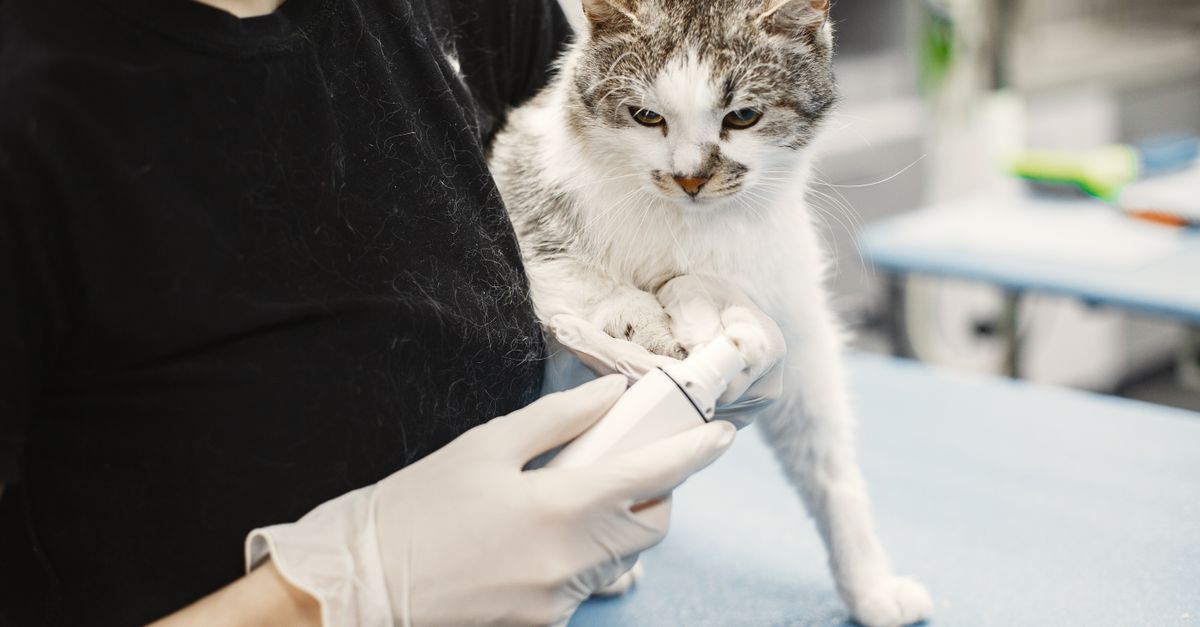
Indoor cats face lower flea risk, but not zero. Compare prescription, OTC, and natural prevention methods with honest efficacy data and safety warnings.