
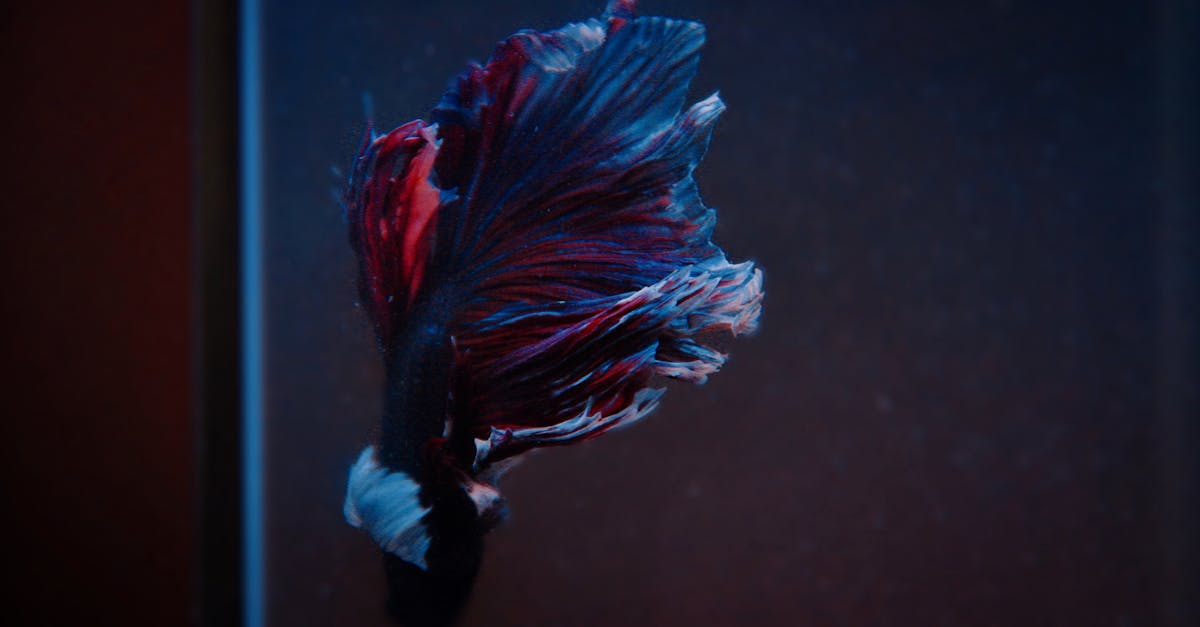
Your betta built a bubble nest yesterday, so everything must be fine—except it’s also been hanging motionless near the heater for six hours and hasn’t touched its food. That bubble nest isn’t proof of good health. It’s breeding behavior, and it can happen even when a fish is sick or stressed. This contradiction is why fish stress often goes unrecognized until it compounds.
The short answer
Stressed fish show combinations of behavioral changes—clamped fins, color loss, hiding constantly, gasping at the surface, or sudden aggression—that persist beyond normal acclimation periods. A single behavior in isolation (like hiding after a tank move) is often normal. Stress becomes a concern when you see multiple signs together, when they last more than 48 hours, or when they appear alongside deteriorating water quality.
What fish stress actually looks like
Fish respond to stressors with measurable cortisol elevation and immune suppression, according to peer-reviewed aquaculture research. Chronic stress depresses growth, reproduction, and disease resistance—stressed fish are more susceptible to bacterial and parasitic infections. That means “just stressed” isn’t a harmless state. It’s physiological damage accumulating over time.
The behavioral signs break into a few categories:
Posture and fin behavior: Healthy fish hold their fins open and extended. Clamped fins—pressed tight against the body—indicate discomfort. A bent or curved spine, or a tail held at an unusual downward angle, suggests chronic stress or early disease.
Activity level: Erratic darting (especially if the fish repeatedly crashes into tank walls or decor) signals acute stress. The opposite—hanging motionless at the surface or bottom, unresponsive even at feeding time—suggests chronic stress, low oxygen, or illness. Reduced appetite is common to both.
Color and appearance: Many species fade or darken under stress. Bettas lose their vibrant reds and blues. Goldfish turn pale or develop dark stress marks along their lateral line. Some cichlids darken when stressed, others lighten. Know your species’ normal coloration so you can spot the shift.
Social behavior: Sudden aggression toward tank mates—especially in a previously peaceful fish—can indicate territorial stress from overstocking, sexual maturity, or the onset of illness (sick fish sometimes lash out). Conversely, a normally active fish that withdraws completely and hides all day is signaling a problem.
Rubbing and scratching: If your fish scrapes its body against rocks or decor, it’s usually trying to dislodge external parasites like ich, not responding to pure stress. But parasites thrive in stressed fish with weakened immunity, so the two are related.
Matching signs to stressors: a decision framework
Most aquarium articles list stress signs without telling you what to do next. That’s the gap this framework fills. When you see a sign, here’s how to identify the likely cause and take action within 24 hours:
| Observed Sign | Likely Stressor | Immediate Action | When to Call a Vet |
|---|---|---|---|
| Hanging at surface, rapid gill flaring | Poor water quality (ammonia, nitrite, low oxygen) | Test water; if ammonia >0.5 ppm or nitrite >0, do 25% water change immediately | If signs persist after water change and retest shows normal parameters |
| Hiding constantly, not eating, faded color | Tank mate aggression, temperature drop, or early disease | Check heater; separate if aggression is obvious; observe for 24 hours | If no food intake for >48 hours; if fin damage is visible |
| Chasing or nipping at other fish | Territorial behavior, sexual maturity, or overstocking | Review stocking density; add hiding spots; consider separating the aggressor | If fish are drawing blood; if the aggressor was never aggressive before (sudden personality change can indicate illness) |
| Gasping at surface but sluggish | Low dissolved oxygen or ammonia spike | Increase surface agitation (add airstone); test water | If condition worsens despite aeration and normal water parameters |
The most common mistake is assuming behavior changes are “just stress” without testing water. Ammonia and nitrite are toxic even at low concentrations, and they’re invisible. A test kit ($10–15 for the API Freshwater Master Kit) is the first diagnostic tool you need. If water parameters are fine and behavior persists, you’re likely looking at disease, not stress.
When stress is actually normal (and when it’s not)
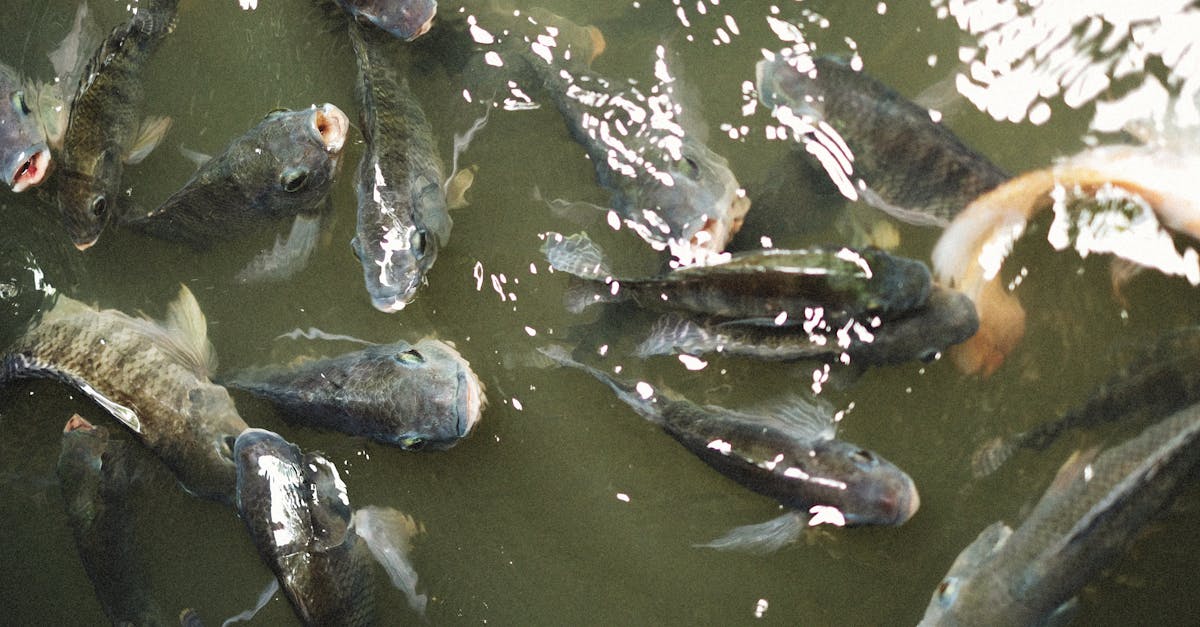
Not all hiding or reduced activity is pathological. Fish stressed by How to Acclimate Fish to a New Tank Without Losing Them often hide and skip meals for 24–48 hours. This is normal acclimation, and it resolves on its own as the fish adjusts to the new environment. Panicking and doing large water changes or adding “calming” products usually makes things worse by introducing more instability.
Similarly, many species prefer to hide. Plecos, kuhli loaches, and most catfish are nocturnal or reclusive by nature. A pleco that hides in driftwood all day and emerges at night to graze algae is behaving normally. Hiding becomes a stress signal only when it’s paired with other changes: stopped eating, color loss, or the fish never emerging even at feeding time.
Bubble nests in bettas are another false positive. A betta building a nest is displaying breeding readiness, which can happen even in suboptimal conditions. Reports from aquarium forums describe bettas building nests the day before dying from untreated fin rot. The nest isn’t a health report card—it’s one behavior in isolation. Look at the whole picture.
The stress-versus-disease boundary
Here’s the part most articles skip: stress is not a diagnosis. It’s a predisposing factor. A fish that’s lethargic, has lost color, and won’t eat might be stressed from poor water quality—or it might have ich, bacterial infection, or organ failure. The ASPCA’s fish care guidelines emphasize that distinguishing between stress and disease requires observation over time and often veterinary assessment.
If you identify a stressor (like a heater malfunction or aggressive tank mate), fix it and observe for 48 hours. If the fish recovers, it was likely stress. If signs persist or worsen despite correcting the stressor, you’re dealing with disease, and it’s time to consult an aquatic veterinarian.
When to see an aquatic vet

Not all vets treat fish. If your local clinic has no aquatic expertise, ask for a referral to a specialist or contact your state’s university aquaculture extension—many offer free consultations.
Call a vet if:
- Any sign lasts more than 48 hours without an identifiable, correctable cause
- You see visible physical symptoms: torn fins, white spots, cloudy eyes, bulging belly, patches on the body
- The fish shows the triad of behavioral change + color loss + reduced appetite, even without visible lesions (this often indicates early infection)
- A previously calm fish becomes suddenly aggressive or shows a complete personality change
- The fish gasps at the surface despite normal water quality and adequate aeration (possible gill parasites or organ damage)
Don’t try to “treat stress” with medications. Stress itself has no medication. If the fish is stressed due to water quality, adding medication to the tank makes things worse. Always test water first.
What actually stresses fish (and what doesn’t)
The stressors identified by aquaculture science and systematic reviews fall into a few categories:
Water quality: Ammonia, nitrite, pH swings, and temperature fluctuations are the leading stressors in home aquariums. Goldfish kept in unheated rooms during winter can drop to 55°F and become nearly motionless—not unconscious, just inactive. Bringing the tank back to 68–72°F revives them within hours. Temperature stress is common and underdiagnosed.
Social and spatial: Overstocking, incompatible tank mates, and insufficient hiding spots. A single goldfish in a 10-gallon tank isn’t “lonely”—it’s stressed from inadequate space and mounting waste. (See Goldfish Tank Requirements: Why the Bowl Myth Won’t Die for more on this widely-misunderstood species.)
Environmental: Sudden changes in lighting, noise, or vibration. Moving a tank next to a subwoofer or washing machine can stress fish even if water quality is perfect.
Nutritional deficiencies: Rare in captive-bred species fed quality food, but possible in wild-caught or poorly-fed specimens.
What doesn’t stress fish: boredom. The internet sometimes claims fish need “enrichment” the way a dog or parrot does. Most aquarium species lack the cognitive complexity to be bored in that sense. They are stressed by poor living conditions, not by lack of entertainment. A well-maintained, appropriately-stocked tank with hiding spots and stable water is all most fish need.
Know your species
Stress signs vary by species. Betta stress looks different from goldfish stress, which looks different from cichlid stress. If you’re keeping Best Fish for a Beginner Aquarium: Setup First, Species Second, start by learning that species’ normal behavior—activity level, color, feeding response, social tendencies. That baseline is what lets you spot the deviation.
A fish that shows stress signs in a properly cycled, appropriately-sized tank with correct temperature, compatible tank mates, and regular maintenance is telling you something is medically wrong. At that point, you’ve ruled out husbandry and you’re in veterinary territory. Don’t wait and see. The physiological damage from chronic stress or untreated disease compounds quickly, and early intervention makes the difference between recovery and loss.