

The internet will tell you that goldfish, bettas, or guppies are perfect starter fish. What it won’t tell you is that the hardiest species in the world will die in an uncycled tank with no filtration. The real beginner question isn’t “which fish survive neglect”—it’s “which easy-to-keep fish thrive in a properly set-up beginner aquarium.”
If you’re building your first tank, here’s the reality: you need four to six weeks of cycling before you add fish, a minimum 20-gallon tank for a stable community setup, and about $150–$250 in equipment. Once that’s in place, these starter aquarium species are genuinely forgiving, visually rewarding, and appropriate for someone learning the rhythm of water changes and parameter checks.
The Setup You Actually Need
Before we talk species, let’s define “beginner aquarium.” A bare bowl with gravel and a single fish isn’t beginner-friendly—it’s a biological minefield. Here’s what a stable beginner tank requires:
- Tank size: 20 gallons minimum (10 gallons only if you’re keeping a single small species)
- Filter: Rated for 2–3× the tank volume per hour
- Heater: Adjustable thermostat, 50–100W for most tropical setups
- Substrate: 1–2 inches of aquarium gravel or sand
- Cycling: 4–6 weeks with daily ammonia and nitrite testing before adding any fish
- Maintenance: 25% water change weekly
The nitrogen cycle—where beneficial bacteria convert toxic ammonia to nitrite to nitrate—is non-negotiable. Skipping it is the number-one reason beginner fish die within a week, and no species is hardy enough to survive that spike. If you’re starting from a small bowl or 5-gallon kit and want to upgrade, proper acclimation is essential.
At-a-Glance: Easy-to-Keep Fish for Beginners
| Species | Adult Size | Temp (°F) | Min. Tank | School Size | Best For |
|---|---|---|---|---|---|
| Neon Tetra | 1.5 in | 72–78 | 10 gal | 6+ | Color, mid-tank activity |
| Corydoras Catfish | 2.5 in | 72–78 | 20 gal | 3+ | Bottom-dwelling cleanup |
| Guppy | 2 in | 74–82 | 10 gal | 3+ | Hardiness, bright color |
| Platy | 2.5 in | 70–77 | 10 gal | 3+ | Peaceful, beginner-tolerant |
| Harlequin Rasbora | 2 in | 73–82 | 10 gal | 6+ | Active schooling behavior |
| Zebra Danio | 2 in | 64–75 | 10 gal | 5+ | Extremely hardy, fast swimmer |
1. Neon Tetra (Paracheirodon innesi)
Neon tetras are the iconic beginner schooling fish—tiny, brilliantly colored, and relatively tolerant of beginner mistakes. They need soft, slightly acidic water (pH 6.0–7.0) and a school of at least six; lone neons become stressed and aggressive. In a properly cycled 10–20 gallon tank with stable temperatures, they live 5–8 years, not the 1–2 years you see in uncycled bowls.
Trade-off: They’re small and can be fin-nippers if underfed or kept in groups smaller than six. Don’t pair them with slow-moving fish like bettas.
2. Corydoras Catfish (Corydoras paleatus)
Bronze corydoras are bottom-dwellers that scavenge leftover food and help keep substrate clean. They’re peaceful, social (keep at least three), and hardy to beginner water-parameter fluctuations. Corydoras need sand or fine gravel—coarse substrate damages their delicate barbels, the sensory organs they use to forage.
Trade-off: They’re shy without cover. Add driftwood or plants so they feel secure during the day.
3. Guppy (Poecilia reticulata)
Guppies are colorful, active, and genuinely tolerant of parameter swings that would stress more delicate species. They adapt to a range of water hardness and pH, making them ideal for beginners working with untreated tap water. Males are more colorful; females are larger and less vibrant.
Trade-off: Guppies breed prolifically. If you keep both sexes, plan for fry every few weeks. Many beginners stock females-only groups to avoid surprise population booms.
4. Platy (Xiphophorus maculatus)
Platies come in vivid reds, oranges, and yellows, stay peaceful in community tanks, and tolerate a wide range of water conditions (pH 7.0–8.0, moderate hardness). They’re slightly larger than guppies and less prone to stress from tank-mate activity.
Trade-off: Like guppies, platies are livebearers and will breed if you mix sexes. They’re hardy, but overstocking from breeding can destabilize even a cycled tank.
5. Harlequin Rasbora (Trigonostigma heteromorpha)
Harlequin rasboras are small, triangular-marked schooling fish that occupy the mid-water column. They’re less commonly recommended than neons but just as beginner-appropriate—peaceful, adaptable, and visually interesting in groups of six or more.
Trade-off: They’re more subdued in color than neons or guppies. If you want high visual impact, pair them with brighter species.
6. Zebra Danio (Danio rerio)
Zebra danios are among the hardiest freshwater fish available. They tolerate cooler water (down to 64°F), parameter fluctuations, and high activity levels. They’re fast, energetic swimmers that need open swimming space and do best in groups of five or more.
Trade-off: Their speed and energy can stress slower, shyer species. Don’t pair them with long-finned or sedentary fish.
Species We’re Not Recommending (and Why)

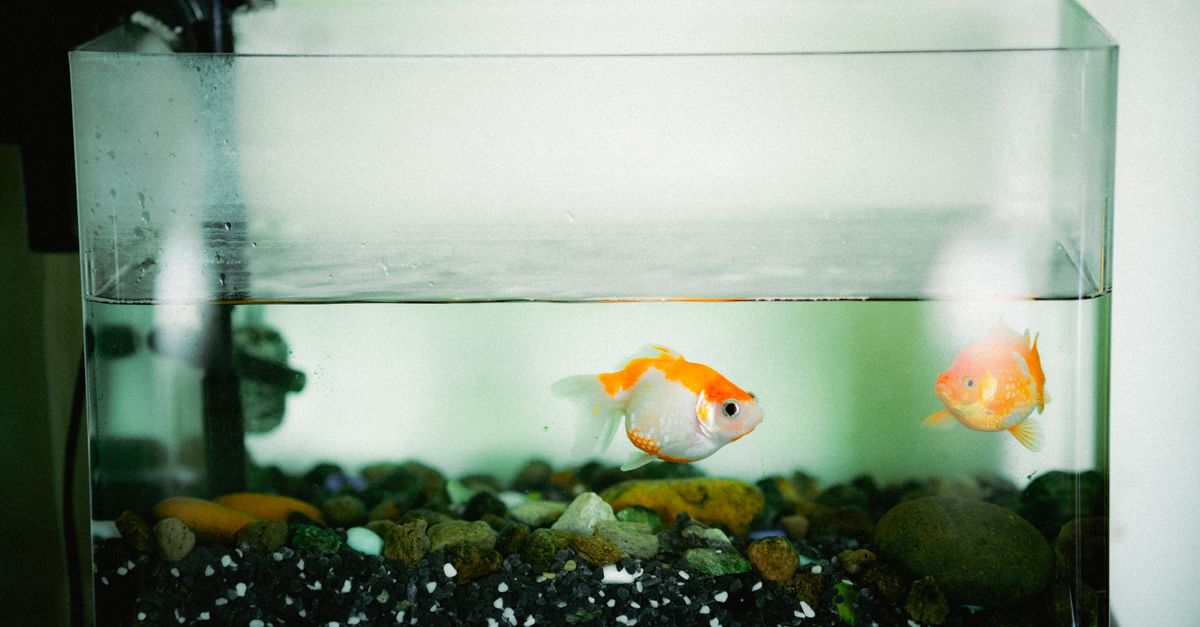
Goldfish: Goldfish produce significantly more waste than similarly sized tropical fish, need cool water (64–68°F), and live 10–20 years in proper conditions. A goldfish in a small warm tank isn’t thriving—it’s slowly suffocating in its own waste. They’re not beginner fish; they’re commitment fish that require large, cool, well-filtered setups.
Bettas in bowls: Bettas are tropical fish that need heated, filtered water (76–80°F) and live 3–5 years in proper tanks versus 1–2 in stagnant bowls. They’re beginner-appropriate in the right setup, but the “betta in a vase” myth kills more fish than it helps. If you want a betta, give it a filtered 5–10 gallon tank with a heater.
Compatibility Notes
Not all beginner species get along. Here’s what to watch:
- Neons and bettas don’t mix. Bettas chase fast-moving fish, and neons nip slow fins.
- Corydoras need sand. If your substrate is coarse gravel, skip them or add a sand patch.
- Guppies and platies breed. Keep single-sex groups or plan for population control.
- Overstocking causes algae and ammonia spikes. More fish ≠ easier. Stable bioload is easier to maintain than a crowded tank.
How We Ranked These
We prioritized species that tolerate beginner mistakes (minor temperature or pH swings), thrive in standard tap water with dechlorinator, and don’t require specialized diets or breeding setups. We excluded species that need soft water, high temperatures, or advanced feeding (discus, cardinal tetras, angelfish). This list assumes you’re running a properly cycled 20-gallon community tank with moderate filtration and weekly maintenance.
When to Consult a Vet
Most beginner fish health problems trace back to water quality, not disease. If fish are gasping at the surface, check for ammonia or nitrite spikes first. White spots, torn fins, or lethargy after confirmed-normal parameters warrant a vet consultation—look for an aquatic or exotic-animal vet, as general-practice vets rarely treat standard aquarium fish. Rapid die-offs within days of purchase almost always indicate uncycled water; perform a 50% water change and test immediately.
Sources
- AVMA Aquatic Animal Care Standards
- ASPCA Pet Care: Aquatic Animals
- UC Davis Aquatic Animal Health Research Program
- Seachem Technical Library
If you’re ready to stock your cycled tank, start with one species from this list—six neon tetras or three corydoras—and monitor water parameters for two weeks before adding more. Stability beats variety. Once you’ve dialed in your maintenance rhythm, you’ll know whether you’re ready to build a full community or stay simple.