
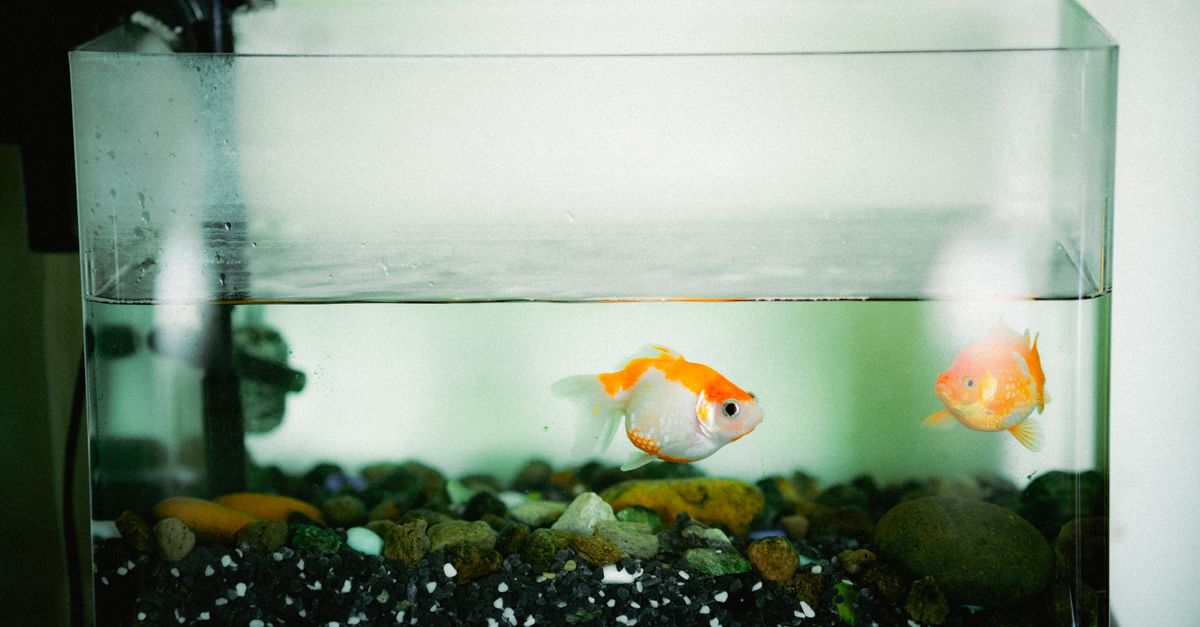
Your filter doesn’t remove ammonia. It houses the bacteria that do. That’s the difference between mechanical filtration (trapping visible particles) and biological filtration (the nitrogen cycle that keeps fish alive), and most filter comparisons skip it entirely. This one doesn’t.
Quick verdict:
- Hang-on-back (HOB) filters are best for most freshwater community tanks—easy maintenance, reliable biofilter, minimal leak risk
- Canister filters are best for heavily stocked tanks or larger setups where you need high media capacity and can commit to quarterly deep cleans
- Sponge filters are best for fry tanks, quarantine tanks, or gentle-flow setups (bettas, shrimp)
- Internal filters are best for small tanks (under 10 gallons) where footprint matters more than performance
- Undergravel filters are best for fish-only tanks with minimal substrate disturbance (not planted tanks)
At a glance
| Filter Type | Turnover Rate | Biofilter Capacity | Maintenance Frequency | Best For | Biggest Weakness |
|---|---|---|---|---|---|
| HOB | 4–10× tank volume/hr | Moderate | Every 2–4 weeks (5 min) | Community tanks 10–75 gal | Takes up rim space |
| Canister | 4–10× tank volume/hr | High | Every 4–8 weeks (30 min) | Heavily stocked or large tanks | Leak risk, complex setup |
| Sponge | 2–4× tank volume/hr | Moderate | Every 1–2 weeks (3 min) | Fry, shrimp, gentle-flow needs | Low mechanical filtration |
| Internal | 3–6× tank volume/hr | Low | Every 2–3 weeks (5 min) | Tanks under 10 gallons | Takes up tank space |
| Undergravel | Variable (air-driven) | High (substrate is media) | Minimal ongoing | Fish-only tanks | Limits planted tank options |
What “best” actually means: turnover rate + biofilter
The internet will tell you to “match your filter to tank size.” That’s not wrong, but it’s incomplete. What matters is turnover rate—how many times per hour your filter cycles the full tank volume—and whether the filter provides space for beneficial bacteria to colonize.
The standard range is 4–10 times your tank volume per hour. A 40-gallon lightly stocked community tank needs 160–400 gallons per hour (GPH). A 75-gallon heavily stocked tank needs 300–750 GPH. Below 4× turnover, waste accumulates faster than the biofilter can process it. Above 10×, you risk stressing fish with too much current.
But a filter rated at 400 GPH doesn’t guarantee water quality maintenance if it only offers mechanical filtration. Mechanical media (sponges, filter pads) trap particles—uneaten food, visible waste. Biological media (ceramic rings, bio-balls, mature sponge) house the bacteria (Nitrosomonas and Nitrobacter) that convert toxic ammonia to nitrite, then nitrate (ASPCA Pet Care). This is the nitrogen cycle. Without it, even a “powerful” filter won’t prevent ammonia poisoning.
Every new filter—regardless of type—requires 3–4 weeks to cycle before the biofilter is established. If you’re setting up a new tank, establish the nitrogen cycle before adding fish.
Hang-on-back (HOB) — best for most freshwater tanks
HOB filters clip onto the tank rim, pull water through an intake tube, run it through stacked media (usually a sponge, then biofilter cartridge, sometimes carbon), and return it via a waterfall. They’re the default for 10–75 gallon tanks because they’re simple, cheap, and almost impossible to catastrophically break.
Strengths:
- Easy media access—you rinse or replace cartridges without disassembling anything
- Lower leak risk than canisters (no hoses, fewer seals)
- Adequate biofilter capacity for moderate stocking
Weaknesses:
- Takes up rim space (a problem if you’re running a rimless tank or want a tight-fitting lid)
- Noisier than canisters (the waterfall splash is audible)
- Smaller media capacity than canisters—if you’re heavily stocked, you’ll need a larger model or more frequent maintenance
Best for: Community tanks with typical stocking (tetras, corydoras, a few centerpiece fish). A 40-gallon planted tank with 20 small fish works well with an HOB rated at 200–300 GPH, rinsed every two weeks.
Canister filter — best for heavy stocking or large tanks

Canisters sit in the cabinet below your tank, connected by intake and return hoses. Water flows through stacked trays of media—typically mechanical (sponge or pad), biological (ceramic rings), and optional chemical (carbon). They’re quiet, hide out of sight, and hold significantly more media than HOBs.
Strengths:
- High biofilter capacity—more media means more bacterial colonization, which supports higher bioloads
- Quiet operation (no waterfall splash)
- Flexible media customization (you choose what goes in each tray)
Weaknesses:
- Leak risk—improperly seated O-rings or cracked hoses can flood your floor. Always check seals during maintenance.
- Maintenance is slower and messier—you’re disconnecting hoses, opening the canister, rinsing trays. Budget 30 minutes every 4–8 weeks.
- More expensive upfront
Best for: Heavily stocked tanks (a 75-gallon with goldfish or cichlids), large tanks where HOB capacity isn’t enough, or setups where you need specific media (phosphate removers, purigen).
Sponge filter — best for fry, shrimp, and gentle-flow setups
Sponge filters are air-driven: an air pump pushes bubbles up a lift tube, creating flow that pulls water through a sponge. The sponge is both mechanical and biological media. They’re cheap, nearly indestructible, and safe for tiny fish that would get sucked into stronger intakes.
Strengths:
- No intake strong enough to harm fry or shrimp
- Simple maintenance—squeeze the sponge in old tank water every week or two
- Reliable biofilter (the entire sponge colonizes with bacteria)
Weaknesses:
- Low mechanical filtration—particles settle on the substrate instead of being trapped
- Visible air line and sponge take up tank space
- Lower turnover rate (usually 2–4× tank volume), so not ideal for heavily stocked tanks
Best for: Fry grow-out tanks, shrimp tanks, betta tanks, quarantine tanks. If you’re breeding livebearers or raising fry, a sponge filter is the safest option.
Internal filter — best for small tanks under 10 gallons
Internal filters are small submersible units that stick to the inside glass with suction cups. They’re common in betta kits and nano tanks. Water flows through a small sponge or cartridge, then out via an adjustable nozzle.
Strengths:
- Compact and cheap
- Adjustable flow (helpful for bettas that don’t tolerate strong current)
Weaknesses:
- Takes up tank space (a problem in already-small tanks)
- Low media capacity—limited biofilter, requires frequent maintenance
- Lifespan tends to be shorter than external filters
Best for: Tanks under 10 gallons where an HOB or canister is overkill. A 5-gallon betta tank works fine with a small internal filter rated at 20–30 GPH.
Undergravel filter — best for fish-only tanks
Undergravel filters sit beneath the substrate, using an air pump or powerhead to pull water down through the gravel. The gravel itself becomes the biofilter. They’re old-school and less common now, but still effective in the right setup.
Strengths:
- Enormous biofilter capacity (the entire substrate is colonized)
- Minimal ongoing maintenance (no cartridges to replace)
Weaknesses:
- Limits planted tanks—root systems and deep substrate disrupt flow, and vacuuming disturbs plants
- Harder to clean thoroughly (debris accumulates under the plate over years)
- Requires regular gravel vacuuming to prevent dead zones
Best for: Fish-only tanks with moderate stocking and minimal substrate depth. A simple goldfish or cichlid tank works well with an undergravel filter.
Maintenance burden vs. tank stability
Filters don’t fail all at once. Flow drops first—clogged mechanical media restricts water movement, biofilter oxygenation suffers, and beneficial bacteria start to die off. Then ammonia spikes.
Maintenance timing by filter type:
- HOB: Rinse mechanical sponge every 2–4 weeks in old tank water. Never replace all media at once—you’ll crash the biofilter.
- Canister: Full media rinse every 4–8 weeks. Inspect O-rings every cleaning.
- Sponge: Light squeeze every 1–2 weeks. Replace sponge only when it’s falling apart (12+ months).
- Internal: Rinse or replace cartridge every 2–3 weeks.
The most common mistake: cleaning media under tap water or replacing all media simultaneously. Tap water chlorine kills beneficial bacteria. A “clean” filter with sterile media means no biofilter—ammonia poisoning follows within days (University of Florida Aquaculture Extension). Always rinse media in old tank water from water changes.
How we compared these
This comparison draws on aquaculture filtration research, veterinary guidelines on aquatic husbandry, and reported experiences from long-term hobbyists. We didn’t test specific branded units—filter type and turnover rate matter more than brand for most setups. Pricing wasn’t included because filter cost is secondary to long-term maintenance burden and whether it supports your biofilter.
FAQ
Can I run two filters on one tank?
You can, but it’s usually redundant. One properly sized filter with adequate biofilter capacity is enough. Two filters mean twice the maintenance, twice the points of failure, and no real benefit unless you’re running an extremely heavy bioload or need backup during media replacement.
How do I know if my filter is actually working?
Flow rate is your first check—if the output stream has weakened, media is clogged. But flow doesn’t tell you if the biofilter is working. Test ammonia and nitrite weekly with a liquid test kit (not strips). If either reads above zero despite regular maintenance, your biofilter is struggling or uncycled.
Do I need carbon in my filter?
No. Carbon (chemical filtration) removes medications, tannins, and some dissolved organics, but it’s not required for water quality maintenance. Mechanical plus biological filtration handles the nitrogen cycle. Use carbon only if you’re removing medication after treatment or clearing water discoloration.
The filter that’s “best” is the one that matches your stocking level, fits your maintenance schedule, and gives beneficial bacteria room to do their work. For most freshwater tanks, that’s an HOB filter rated at 4–10× your tank volume per hour, rinsed every few weeks, and never fully replaced. If you’re heavily stocked or running a large tank, a canister. If you’re raising fry, a sponge. Calculate your turnover need, pick the type that fits, and establish the nitrogen cycle before you add fish.