

The pet store kit told you to set up the tank, dechlorinate the water, wait 24 hours, and then add your fish. Almost every word of that advice is wrong, and following it is how most first aquariums end with dead fish and a parent quietly returning the tank. A 10-gallon freshwater tank is a great first aquarium, but only if you skip the pet store timeline and learn the one thing that actually keeps fish alive — the nitrogen cycle.
This guide is for someone setting up their first 10-gallon, usually with a kit bought at a chain pet store. The same steps apply to any small freshwater tank from 5 to 20 gallons. It is not a quick-start guide; the honest first-fish timeline is closer to six weeks than 24 hours, and the article is going to be upfront about that.
What you’ll need
Equipment:
- A 10-gallon glass tank (standard dimensions 20” × 10” × 12”)
- A stand or shelf rated for at least 110 lb — a filled 10 gallon weighs roughly 100 lb with substrate
- Filter: AquaClear 20 hang-on-back ($30) or a sponge filter with air pump ($15)
- Heater: 25–50 watt submersible (Cobalt Neo-Therm, Eheim Jager, or Fluval E are reliable)
- LED light (most kits include a basic one — fine for fish, marginal for plants)
- 10–20 lb of aquarium gravel or sand substrate
- Decor: rocks, driftwood, or hides — never decor with sharp edges
Chemicals and tests:
- Dechlorinator (Seachem Prime is the standard — $10 for a bottle that lasts a year)
- API Freshwater Master Test Kit ($30) — liquid, NOT test strips
- Pure ammonia for fishless cycling (Dr. Tim’s Ammonium Chloride, ~$10)
- Optional: bottled bacteria (Seachem Stability or Tetra SafeStart Plus) to shorten cycling
Prerequisites:
- A wall outlet near the tank’s location with a ground fault interrupter (GFCI) — water and electricity need this safety
- Two to six weeks of patience before adding fish
Before you start
A few things to know before any water moves. The first is structural: a filled 10-gallon weighs about 100 lb, which is more than a typical bookshelf is rated for. Place the tank on a stand specifically designed for aquariums or a sturdy dresser/cabinet you’ve confirmed can take it. A failed shelf with 100 lb of water on it doesn’t just break the tank — it ruins the room.
The second is the nitrogen cycle, and it’s the entire reason this article isn’t done in three steps. Fish produce ammonia through their gills and waste. Ammonia is toxic at very low levels — in the 0.25 ppm range, it begins to damage gills; above 1 ppm it kills. In a healthy aquarium, two species of beneficial bacteria colonize the filter and convert ammonia → nitrite → nitrate (which is much less toxic and is removed by water changes). Those bacteria don’t exist in a brand-new tank. You have to grow them, and that takes time. Add fish before the bacteria are established, and the fish are essentially being poisoned by their own waste. The Merck Veterinary Manual describes this nitrification process as the foundation of aquatic health — it’s not optional, and there’s no shortcut that doesn’t harm the fish.
The third is electrical safety. The heater and filter are submerged or splash-adjacent and need to be plugged into a GFCI outlet. If your outlet isn’t a GFCI, use a GFCI extension cord or have the outlet replaced.
Step 1: Rinse and place the tank
Rinse the empty tank with plain tap water — no soap, ever — to remove any glass dust or factory residue. Set it on its stand, dry, and check that it’s level using a small bubble level laid on the top rim. A tank that’s off-level by even a quarter inch will put unequal stress on the silicone seams and can develop leaks years later.
Don’t add water yet. Once water is in, you can’t move the tank without draining it.
Step 2: Add substrate and hardscape
Rinse the substrate aggressively before adding it. Put it in a bucket, run a hose into it, and stir until the water running off is mostly clear. Aquarium gravel and sand both come dusty from the bag, and skipping this rinse is the most common reason new tanks look cloudy for a week.
The depth and type of substrate you choose has maintenance consequences you need to know upfront. If you’re keeping a bare-bottom or gravel-only tank with plastic plants, 1–2 inches of gravel works fine. If you plan to grow live plants — and you should, they consume nitrates and stabilize water chemistry — you need 2–3 inches of substrate for root growth, preferably with root tabs added at planting time. Java fern and Anubias are the exception; they attach to driftwood or rocks rather than rooting in substrate.
Sand looks natural and works well with bottom-dwelling fish like corydoras, but it compacts over time and develops anaerobic pockets that release hydrogen sulfide (smells like rotten eggs, toxic to fish). If you use sand, plan to gently stir the top layer weekly with your hand or a chopstick during water changes. Gravel doesn’t compact, but waste sits on top of it rather than sinking through, making debris more visible. Neither choice is wrong — just know what you’re signing up for.
Place any hardscape — rocks, driftwood — directly on the glass bottom rather than on top of the substrate, which prevents fish from undermining heavy objects. Driftwood should be aquarium-safe (pet store driftwood or specifically aquarium-cured pieces); random branches from the yard can release tannins or contain pesticides.
Step 3: Fill with dechlorinated water
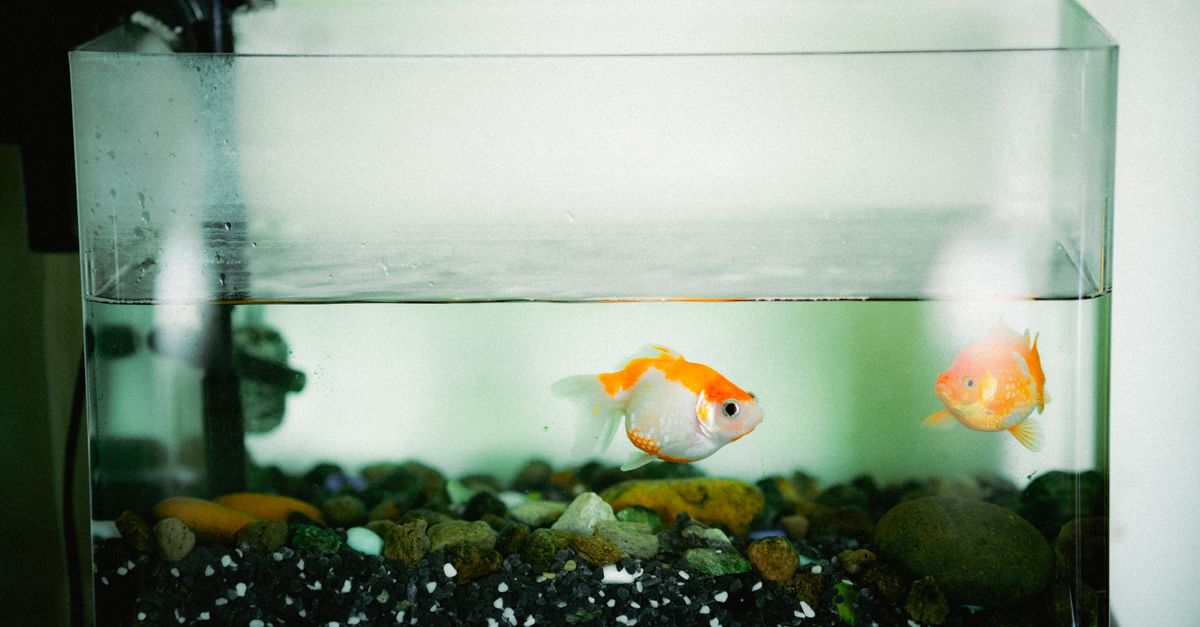
Fill the tank with cool tap water — placing a plate or shallow bowl on top of the substrate first prevents the water from blasting craters into your gravel. Stop when it’s a couple inches from the top so you have room to install the heater and filter.
Add dechlorinator at the dose listed on the bottle (Seachem Prime calls for two drops per gallon, so 20 drops for a 10-gallon). Chlorine and chloramine in municipal tap water are added precisely to kill bacteria, including the beneficial nitrifying ones you’re about to spend weeks growing. Skipping dechlorinator is the second-most common reason new tanks fail.
Step 4: Install filter and heater
Mount the filter according to its instructions. Hang-on-back filters clip over the rear rim; sponge filters drop in and connect to an air pump with airline tubing. Submerge the heater so the entire heating element is underwater (never run a heater in air — it will crack), and set it to 76°F for tropical species or unplug it if you’re keeping coldwater fish.
Run both for at least 24 hours before doing anything else. This lets you confirm the heater is hitting target temperature and the filter is moving water correctly. Watch for leaks at the seams and around any installed equipment.
Step 5: Cycle the tank fishless
Now the slow part. The goal is to grow nitrifying bacteria by feeding the tank ammonia and waiting for the bacteria population to catch up. Use one of two methods:
Pure ammonia method (most reliable): Add Dr. Tim’s Ammonium Chloride according to the calculator on the bottle to reach 2 ppm of ammonia in your tank. Test daily with your API kit. Here’s what you’re watching for, week by week:
- Week 1–2: Ammonia stays high at 2 ppm or drops very slowly. Nitrite reads 0. This is normal — the ammonia-oxidizing bacteria are just starting to colonize the filter.
- Week 2–3: Ammonia begins to drop noticeably, and nitrite spikes up to 2–5 ppm. Nitrite is also toxic, but this spike means the first bacterial colony is working. The nitrite-oxidizing bacteria are now catching up.
- Week 3–4: Nitrite stays stubbornly high even as ammonia continues to drop. This phase feels like nothing is happening, but the second bacterial colony is growing exponentially — it just hasn’t caught up to the load yet.
- Week 4–5: Nitrite crashes suddenly, often within 2–3 days. Nitrate appears and climbs (nitrate is the end product — much less toxic). Ammonia and nitrite both read near zero.
- Confirmation test (the “double drop”): Dose the tank to 2 ppm ammonia in the evening. Test the next morning. If both ammonia and nitrite read below 0.25 ppm on consecutive daily tests, you’re cycled. The bacterial colonies can now process a full fish load’s worth of waste in under 24 hours.
Total time: 2 to 6 weeks, depending on water temperature, pH, and whether you’re using bottled bacteria. You cannot rush this by adding more ammonia — overloading stalls the cycle.
Bottled bacteria method (faster but less reliable): Add Seachem Stability or Tetra SafeStart Plus following the bottle instructions, alongside the ammonia dosing above. Some bottled products genuinely shorten cycling time; some don’t. Test daily either way and follow the same weekly milestones.
Do not add fish during this period. Plants are fine, even helpful — Java fern and Anubias are nearly impossible to kill and consume small amounts of ammonia directly.
Step 6: Stock appropriately

This is where pet store advice goes wrong most often. A 10-gallon tank is too small for most fish your local store will recommend, including all goldfish (need 30 gallons minimum), all cichlids, bala sharks, plecos, and the fancy showy fish near the front of the store. Cramming 20 neon tetras into a 10-gallon because “they’re small” is overstocking — it’s the #2 reason new tanks crash post-cycling, right behind skipping the cycle entirely. The ASPCA’s fish care guidance emphasizes appropriate tank sizing as a welfare issue, not a preference.
A 10-gallon IS the right size for several beautiful, well-suited setups:
Option 1: Single male betta
One betta with a gentle filter flow (sponge filters work well here), a heater, and live plants. See betta fish tank size requirements for why a 10-gallon is appropriate and a one-gallon bowl is not. Bettas live four times as long in proper setups than in pet store cups.
Option 2: Nano community tank
A school of 6–8 small schooling fish — ember tetras, neon tetras, harlequin rasboras, or chili rasboras — with 3–4 pygmy or panda corydoras catfish for the bottom level. Schools below 6 fish stress out, lose color, and hide constantly. Corydoras are social and need to be kept in small groups; a single cory is a stressed cory.
Option 3: Centerpiece fish with invertebrates
A single honey gourami with a small school of cherry shrimp (they’ll breed) and a couple of nerite snails for algae control. The gourami may eat some baby shrimp, but enough survive to maintain the colony.
Add stock slowly — one species at a time, with a week between additions, monitoring water parameters daily. Even a cycled tank can be overwhelmed by adding ten fish at once. Guinea Pig Diet Guide: What to Feed and What to Avoid takes a similar slow-introduction approach for small mammals; the principle is the same.
Verify it worked
A successfully cycled and stocked tank reads 0 ppm ammonia, 0 ppm nitrite, and under 20 ppm nitrate on weekly testing. Fish swim actively, eat readily, and show no rapid gill movement (a sign of ammonia stress). The water should be clear or only faintly green — both are fine — and the substrate should stay relatively clean.
Plan on weekly 25% water changes from this point forward, using dechlorinated tap water at the same temperature as the tank water. Match temperature within a few degrees by mixing hot and cold tap water in a bucket before adding it to the tank — a ten-degree temp swing will shock the fish.
Troubleshooting
Problem: Water is cloudy white in the first week.
Bacterial bloom — harmless, will clear in 5–10 days. Don’t replace the water; the bacteria are establishing.
Problem: Ammonia stalled high during cycling for 3+ weeks.
The pH may be too low for the bacteria to function (below 6.5 they struggle). Test pH; if low, add a small amount of crushed coral to the filter to buffer it up.
Problem: Fish are gasping at the surface.
Either an ammonia spike (test immediately, do a 50% water change with dechlorinator) or insufficient oxygen. Add an air stone if you don’t already have one.
Problem: Tank developed a small leak.
Drain, dry the area completely, apply 100% aquarium-safe silicone (not bathroom silicone — bathroom silicone contains mildew inhibitors that kill fish), let cure 48 hours.
Problem: Substrate smells like rotten eggs when disturbed.
Anaerobic decay in sand or deep gravel. Stir the substrate gently during weekly water changes to prevent gas pockets from forming.
When to see a vet
For setup problems, you don’t need a vet — water chemistry issues are solved with testing and water changes. For sick fish that aren’t eating, are clamping their fins, have visible spots or fungus, or are swimming abnormally, see an exotic vet who specifically treats fish. General practice vets typically don’t work with aquatic animals. The American Veterinary Medical Association maintains directories of specialists; not all cities have an aquatic vet, so bookmark the closest one before you need it.
FAQ
Can I keep a goldfish in a 10 gallon?
No. Goldfish need 30 gallons minimum for a single fancy goldfish and a much larger tank or pond for common/comet varieties. They produce enormous amounts of waste and grow up to a foot long. The pet store sells them as small starter fish because they’re cheap, not because the housing matches the animal.
Is the LED hood that came with my tank good enough for plants?
Marginal. The basic LEDs in kit hoods grow low-light plants like Java fern, Anubias, and Cryptocoryne wendtii. For carpeting plants or anything demanding, you’d need a stronger fixture (Finnex Stingray or Fluval Aquasky, ~$60).
How long does cycling really take?
Two to six weeks with the ammonia method and patience. Faster claims usually require seeding from an established tank’s filter media, which works but requires you to know someone with an established tank. If someone tells you 24 hours, they’re either selling you bottled bacteria that doesn’t work or they’ve never kept fish alive past the first month.
Can I add fish during cycling if I’m careful?
This is “fish-in cycling” and it stresses the fish significantly. It’s slower, requires daily water changes to keep ammonia below 0.5 ppm, and even with care leads to permanent gill damage in many fish. Fishless cycling is more humane and faster overall.
What’s the absolute minimum number of fish for a 10 gallon?
One betta, or one honey gourami with invertebrates. Schooling fish need schools — six minimum — so if you stock tetras or rasboras, plan for at least six of the same species. A “one of each” approach leaves every fish stressed and hiding.
For the related “I want a pet but I’m not sure I’m ready for a fish tank” question, more on guinea pig diet guide: what to feed and what to avoid covers a small-mammal alternative that has its own complexity and care commitment. The slow start of a properly cycled tank is, for what it’s worth, the part of the hobby that pays off for years — every problem you avoid in week three is one you don’t troubleshoot in month six.