
Anti-Nausea Medication for Cats: What Vets Actually Prescribe
Maropitant, mirtazapine, and ondansetron are the primary anti-nausea medications for cats. Learn how each works, which conditions they treat, and why metoclopramide is
Pet care that respects the animal
13 articles
Cats are experts at hiding illness, which makes knowing the subtle signs all the more important. The Cat Health collection explains common feline conditions, symptoms, and preventive care in clear language, so small changes do not get missed.
These guides are vet-informed and carefully sourced, but they do not diagnose or replace an exam. We help you spot what matters and act early, and we always steer you to your veterinarian for anything concerning.
Maropitant, mirtazapine, and ondansetron are the primary anti-nausea medications for cats. Learn how each works, which conditions they treat, and why metoclopramide is
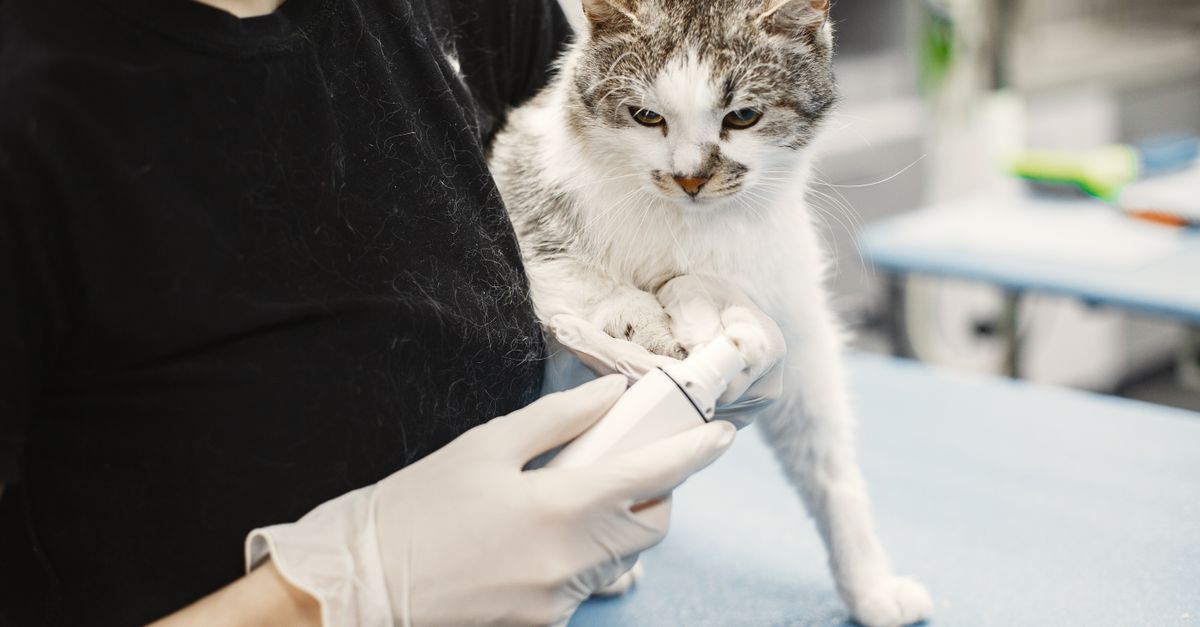
Indoor cats face lower flea risk, but not zero. Compare prescription, OTC, and natural prevention methods with honest efficacy data and safety warnings.

Learn how to prevent dental disease in cats through daily home care. Includes a 4-week plan to introduce tooth brushing and what home care can actually prevent.

Kitten vaccination schedule explained: when to start vaccines, which shots are core vs. optional, and why the 1-year booster is the most-missed milestone.

Veterinary-backed guide to treating cat fleas: prescription vs OTC options, flea comb technique, lifecycle-based prevention, and critical safety warnings.
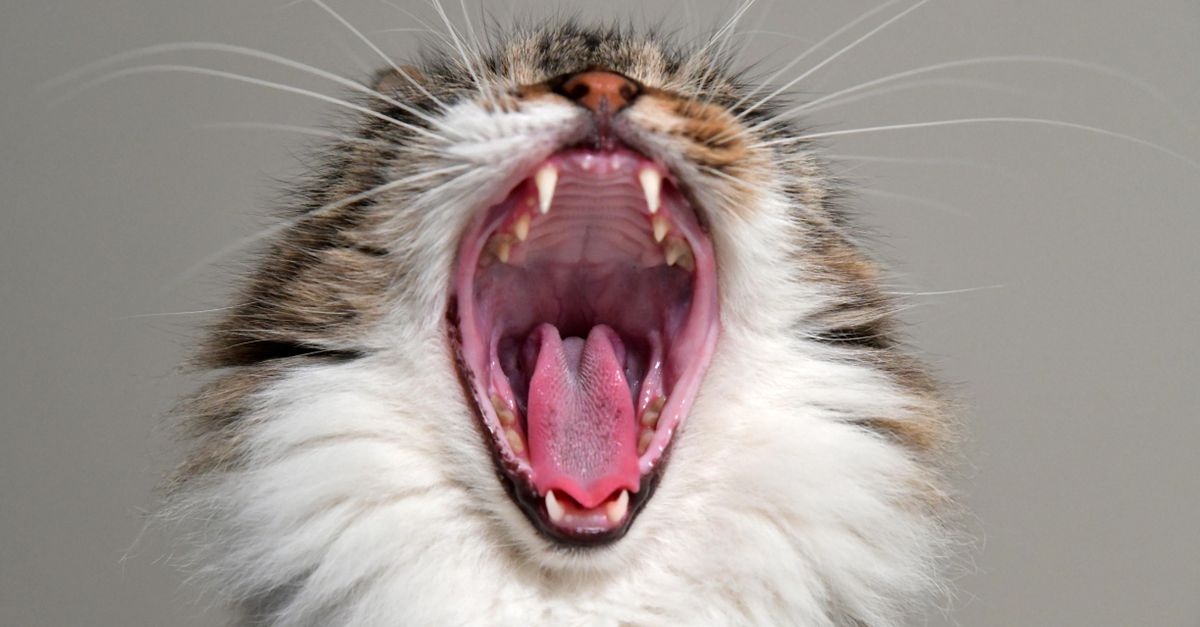
Why does my cat have bad breath? It's not normal—dental disease, stomatitis, or systemic illness are the main causes. Here's when to see a vet and what you can prevent.
A cat refusing food for 24+ hours risks liver failure. Learn when appetite loss is urgent, what to observe, and how to tell pickiness from a medical emergency.

Learn to body condition score your cat at home using vet-approved palpation and visual checks. Most owners miss overweight status—here's how to assess accurately.

Learn to recognize ear mites in cats by discharge type, behavior changes, and when dark waxy debris means mites versus bacterial or yeast infection.

Cat urinary tract infection symptoms include frequent urination, straining, and bloody urine. Learn the signs, causes, and when to seek emergency care.

Why does my cat overgroom? Cats groom excessively due to medical issues like fleas, allergies, or pain, or behavioral stress. Learn the causes and when to see a vet.
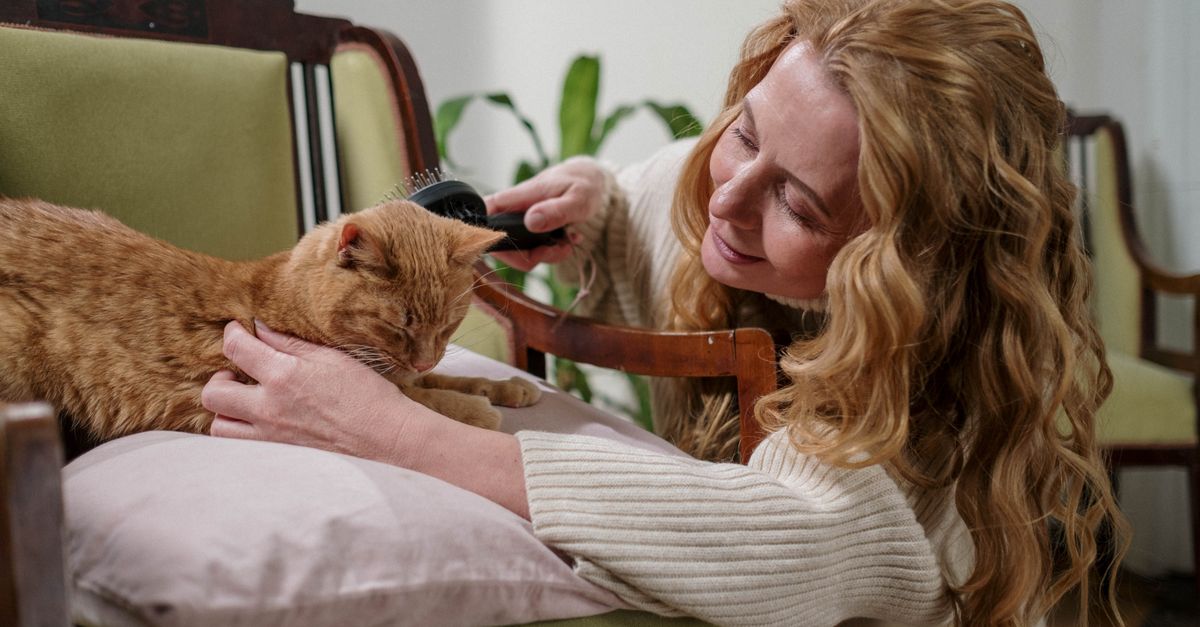
Prevent cat dental disease with daily brushing, vet cleanings, and early detection. Veterinary-backed steps to avoid $2000 surgeries and keep your cat healthy.

Learn the difference between occasional vomiting and chronic issues in cats. Understand causes from hairballs to kidney disease, and when to call your vet.