
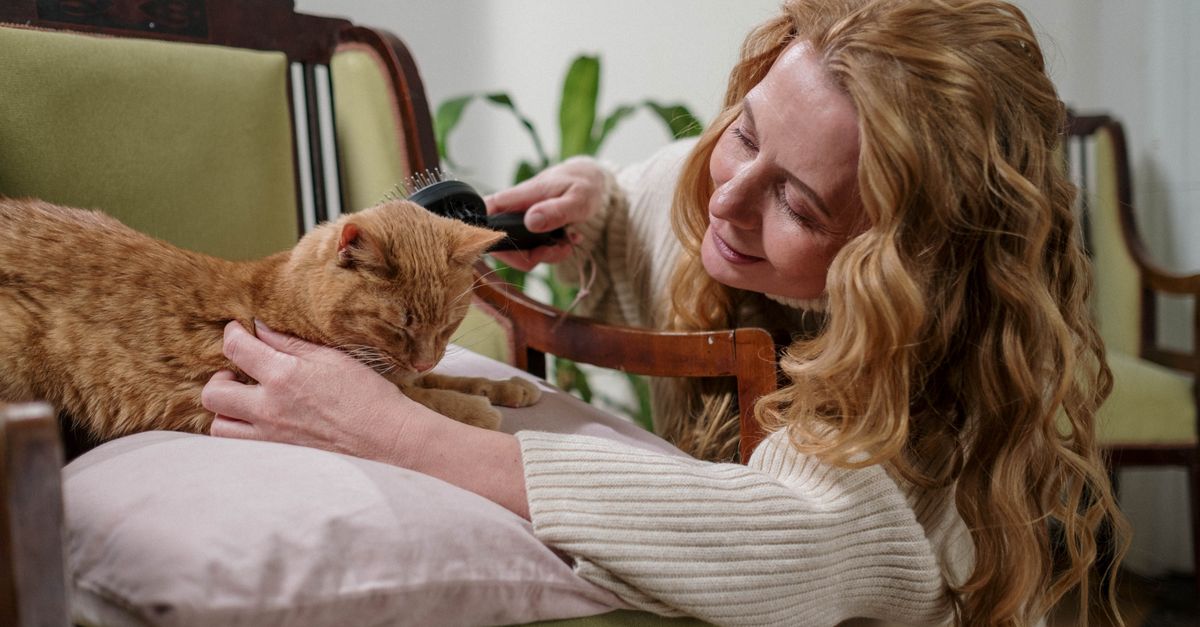
Your cat’s mouth is probably in worse shape than you think. Eighty to ninety percent of cats over age four develop periodontal disease, and the damage isn’t limited to the teeth—untreated dental infection can seed bacteria into the bloodstream, increasing risk of heart valve infection (endocarditis) and kidney disease. The fix isn’t complicated, but it requires consistency: daily brushing, annual professional cleanings, and catching problems early.
Most cat owners don’t realize their cat needs dental care until bad breath or difficulty eating shows up. By then, periodontal disease has already damaged bone and tissue, and another condition—feline odontoclastic resorptive lesions (FORL)—may be silently eroding teeth from the inside. This guide covers the five evidence-based steps to prevent dental disease before it starts, how to recognize early warning signs specific to cats, and when professional intervention is necessary.
What you’ll need
Tools:
- Soft-bristle cat toothbrush or finger brush
- Pet-safe feline toothpaste (chicken, seafood, or malt flavored)
- Small bowl of water for rinsing the brush
Materials:
- Optional: veterinary-approved water additive (chlorhexidine or glucose oxidase based)
- Optional: dental diet recommended by your vet
Prerequisites:
- Patience during the 1-2 week acclimation period while your cat adjusts to brushing
- Annual vet visit for baseline oral exam
Before you start
Never use human toothpaste on cats. Fluoride and xylitol (a common sweetener in human toothpaste) are toxic to cats and can cause serious illness or death. Always use toothpaste formulated specifically for cats.
Avoid hard chew toys like antlers, ice cubes, or cooked bones—these can fracture teeth, especially in older cats. If your cat has existing dental disease (visible tartar, red gums, or bad breath), schedule a vet exam before starting a home care routine. Brushing inflamed gums without treating underlying infection can be painful and counterproductive.
Step 1: Start daily tooth brushing
Daily brushing is the single most effective way to prevent dental disease. Plaque takes 48-72 hours to harden into tartar, which you cannot remove at home. Brushing disrupts plaque before it mineralizes.
Start slowly. For the first few days, let your cat lick feline toothpaste off your finger—the flavors (usually chicken or seafood) are designed to be appealing. Once your cat tolerates this, rub your finger along the outer gumline for 5-10 seconds. Graduate to a soft-bristle brush or finger brush within a week.
Focus on the outer surfaces of the teeth where they meet the gums, using gentle circular motions. You don’t need to brush the inner surfaces unless your cat tolerates it—most plaque buildup happens on the outer side. The entire process takes 2-3 minutes once your cat is acclimated.
Most cats resist initially. Expect this. Within two weeks of gradual introduction, most cats tolerate or even enjoy brushing (the flavored toothpaste helps). If your cat becomes aggressive or highly stressed, consult your vet or a veterinary behaviorist for alternative strategies.
Step 2: Schedule annual professional dental cleanings

Home brushing cannot remove tartar that has already formed, and it cannot clean below the gumline where periodontal disease begins. Professional dental cleaning under anesthesia is necessary to address these areas.
For healthy, low-risk cats, veterinary guidelines recommend professional cleaning every 2-3 years starting around age four. High-risk cats—older cats, breeds prone to dental issues (Persians, Siamese), or cats with a history of dental disease—benefit from annual cleanings.
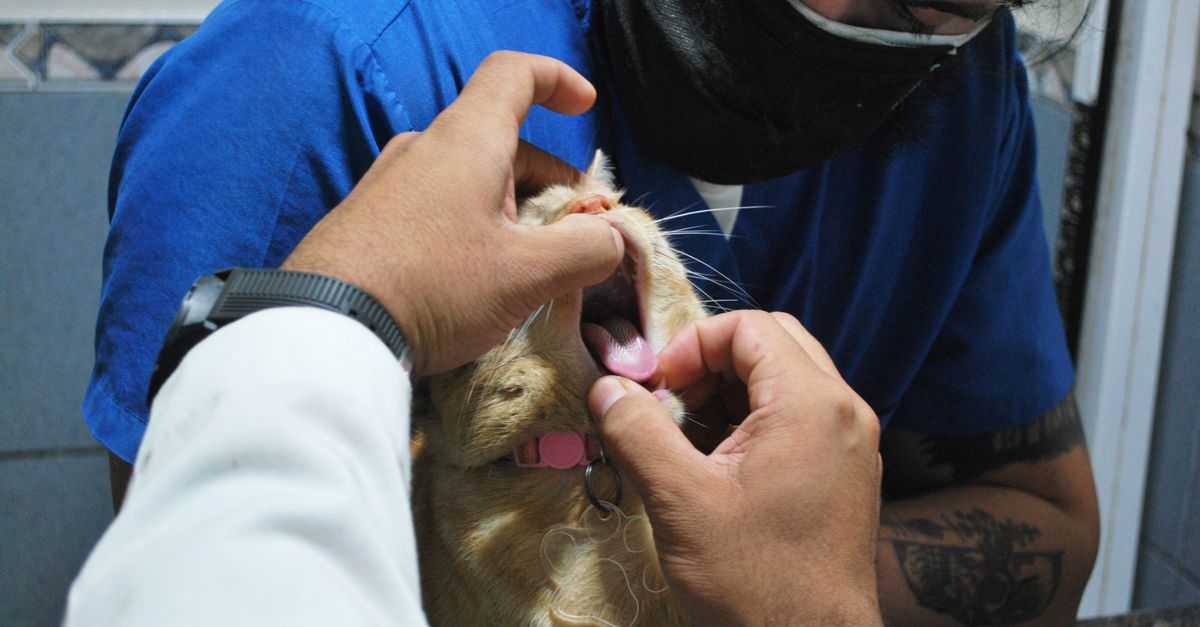
During the cleaning, your vet will scale tartar, polish teeth, and probe below the gumline for pockets of infection. X-rays may be taken to assess bone loss or tooth resorption, a common feline condition where teeth erode from the inside.
The systemic consequences of skipping cleanings are real. Periodontal disease in cats can lead to bacteremia—bacteria entering the bloodstream through inflamed gums—which increases the risk of heart valve infection and kidney damage. This isn’t scare-mongering; it’s why veterinary dentistry guidelines emphasize proactive cleaning rather than waiting for visible symptoms.
Modern anesthesia (propofol, isoflurane) is safe for senior cats when preceded by bloodwork to assess kidney and liver function. The risk of untreated dental disease—chronic pain, infection spreading to the heart or kidneys—often exceeds anesthesia risk in otherwise healthy older cats.
Step 3: Add a veterinary water additive
Antimicrobial water additives reduce bacteria in your cat’s mouth and slow tartar buildup. They are not a replacement for brushing but a useful supplementary tool.
Look for products containing chlorhexidine or glucose oxidase, both of which have moderate evidence for reducing plaque. Add the recommended dose to your cat’s water bowl daily. Most cats don’t notice the taste, but if your cat refuses to drink, discontinue use—hydration is more important than the additive.
These products are safe for long-term use when vet-approved. Avoid additives with alcohol or essential oils, which can irritate the mouth or be toxic.
Step 4: Monitor for early signs of dental problems in cats
Catching dental disease early—before it progresses to painful infections or tooth loss—gives you the best chance of managing it with preventive care rather than surgery.
Visible signs: Yellow or brown tartar on the teeth, red or bleeding gums, loose or missing teeth.
Behavioral changes: Reluctance to eat hard food (switching preference to soft food), drooling, excessive pawing at the mouth, decreased grooming (cats in mouth pain often stop grooming their face).
Subtle signs often missed: Withdrawn behavior, head tilting while eating, pulling away from food bowls, or vocalizing while chewing.
Bad breath: Healthy cat breath should be neutral or faintly sweet. Foul, rotten-smelling breath is not normal—it signals bacterial overgrowth and warrants a vet check. The internet myth that “all cats’ breath smells bad” is false and dangerous because it normalizes a symptom of disease.
Watch for tooth resorption (FORL)
Feline odontoclastic resorptive lesions—FORL—are a cat-specific dental condition that often goes undetected until advanced. The tooth structure erodes from the inside, starting at or below the gumline, and studies suggest 20-75% of cats develop resorptive lesions at some point in their lives, with prevalence increasing with age.
Unlike periodontal disease, which you might spot as tartar buildup or inflamed gums, FORL happens invisibly. Early lesions look like small pink or red spots where the gum meets the tooth. Advanced lesions cause the crown to break off, leaving infected root fragments behind. Cats with FORL often show the same behavioral signs as periodontal disease—reluctance to eat hard food, jaw chattering, or pulling away from the food bowl—but the underlying cause is different.
FORL cannot be prevented with brushing. The cause isn’t fully understood, though theories include immune response, diet, and metabolic factors. What you can do: ensure your cat’s annual vet exams include a thorough oral check and, if your vet suspects resorptive lesions, ask about dental X-rays. Resorptive lesions below the gumline are invisible to the naked eye. Treatment typically involves extraction of affected teeth, which sounds severe but often resolves the pain immediately—cats do well with fewer teeth as long as infection is cleared.
If your cat shows signs of mouth pain (difficulty eating, drooling, behavioral withdrawal) but has minimal visible tartar, mention FORL specifically to your vet.
Step 5: Feed appropriately and avoid common diet myths
The persistent myth that dry kibble “cleans teeth” needs to die. Studies comparing cats fed dry food versus wet food show no statistically significant difference in plaque accumulation. Kibble provides minimal mechanical action—cats don’t chew the way dogs do, and the brief contact time as a cat bites and swallows doesn’t scrub plaque off effectively. Wet food is equally safe for dental health and often more appropriate for senior cats, cats with kidney disease, or cats who need higher moisture intake.
What does help: prescription dental diets with larger kibble size or abrasive texture specifically engineered to promote chewing and mechanically reduce plaque. These veterinary dental diets can be a useful supplement to brushing, but they are not a replacement. The evidence for these diets is modest and largely comes from manufacturer-funded studies, so treat them as one tool among several, not a magic bullet.
Avoid sticky treats, high-sugar diets, and overly hard chew items that risk fracturing teeth. If you’re considering a dental diet, ask your vet whether your cat’s individual risk factors (age, existing dental disease, breed) make it worth the switch.
The takeaway: feed what keeps your cat healthy overall. Brushing beats diet changes every time.
Verify it worked
Within 3-6 months of daily brushing, you should see less tartar buildup compared to before you started. Your cat’s gums should appear pink (not red or swollen), and bad breath should diminish or disappear.
At your cat’s next annual vet visit, ask for an oral health assessment. Your vet can tell you whether your home care routine is working or if adjustments are needed.
Troubleshooting
Problem: My cat won’t tolerate brushing no matter what I try.
Start even slower. Spend a full week just letting your cat lick toothpaste off your finger with no brushing motion. Some cats take a month to acclimate. If your cat becomes aggressive, try a finger brush instead of a handled brush, or consult a veterinary behaviorist. In the meantime, rely on professional cleanings and water additives.
Problem: I’m seeing blood on the toothbrush.
Mild bleeding during the first few brushings can happen if gums are inflamed. If bleeding persists beyond a week or is heavy, stop brushing and see your vet—you may be brushing too hard, or your cat may have existing periodontal disease that needs treatment first.
Problem: My cat’s breath still smells bad despite brushing.
Bad breath that persists despite daily brushing indicates tartar below the gumline, tooth resorption, or systemic disease (kidney disease can cause uremic breath). Schedule a vet exam. You may need a professional cleaning to reset your cat’s oral health before home care becomes effective.
When to call a professional
See a vet immediately if:
- Your cat has visible facial swelling, especially around the jaw or below the eyes
- Your cat stops eating or shows signs of pain while eating (vocalizing, pulling away from food)
- You see a broken or loose tooth
- Severe drooling accompanied by foul breath
Schedule a routine vet visit within two weeks if:
- You notice visible tartar buildup
- Gums appear red or bleed easily
- Your cat’s behavior changes in ways that suggest mouth discomfort (decreased grooming, head tilting, reluctance to play with chew toys)
- Your cat is over age four and has never had a baseline dental exam
Do not attempt to scrape tartar off your cat’s teeth at home. DIY scaling risks damaging the gums, introducing infection, and causing pain. Leave tartar removal to your vet.
FAQ
How long does it take to brush a cat’s teeth?
Once your cat is acclimated, brushing takes 2-3 minutes. The acclimation period (getting your cat used to the process) takes 1-2 weeks of gradual introduction, starting with just letting them taste the toothpaste.
Can I use human toothpaste on my cat?
No. Human toothpaste contains fluoride and often xylitol, both of which are toxic to cats. Always use toothpaste formulated specifically for cats, available at pet stores or through your vet.
Is anesthesia really safe for older cats during dental cleanings?
Yes, when preceded by bloodwork. Modern anesthetics like propofol and isoflurane are safe for senior cats whose pre-operative blood panels show healthy kidney and liver function. The risk of untreated dental disease often exceeds anesthesia risk in otherwise healthy older cats.
Do dental treats or toys replace brushing?
No. Dental treats and toys are supplementary only. Daily brushing is the only home-care method proven to prevent tartar buildup. Treats and toys can help, but they cannot remove plaque as effectively as brushing.
How often should my cat have a professional dental cleaning?
Ask your vet for a personalized schedule. General guideline: low-risk healthy cats benefit from cleaning every 2-3 years starting around age four; high-risk cats (seniors, certain breeds, or those with prior dental disease) need annual cleanings.
Does dry food prevent dental disease better than wet food?
No. Studies show no significant difference in plaque accumulation between cats fed dry versus wet food. Prescription dental diets with specialized kibble texture may offer modest plaque reduction, but they don’t replace brushing. Choose food based on your cat’s overall health needs, not dental claims.
Dental disease is one of the most common and preventable conditions in cats, but prevention requires you to act before symptoms appear. Daily brushing, annual vet exams, and awareness of cat-specific issues like tooth resorption give your cat the best chance of avoiding painful, expensive dental procedures later. If your cat is over age four and hasn’t had a baseline oral exam, schedule one this month. For cats showing signs of illness alongside dental symptoms, see Why Is My Cat Throwing Up? Causes and When to Worry if your cat has lost appetite or is vomiting.