

Your cat makes four trips to the litter box in an hour, squatting for long stretches and producing almost nothing. Or you notice pink-tinged clumps in the litter. Or your usually affectionate cat starts hiding under the bed. These are the signs that send cat owners searching for answers about urinary tract infections — and they’re right to pay attention.
The short answer
Cat urinary tract infection symptoms include frequent trips to the litter box with small amounts of urine, straining or crying while urinating, bloody or discolored urine, urinating outside the box, excessive grooming of the genital area, and behavioral changes like hiding or irritability. But here’s the complication: what looks like a UTI is often not a bacterial infection at all, and diagnosis requires veterinary testing to determine the actual cause and appropriate treatment.
What cat UTI symptoms actually look like
Urinary symptoms in cats are highly visible when they occur, but not all litter box changes point to the same cause.
The most common signs:
- Frequent urination — your cat visits the box every hour or two, sometimes producing only a few drops
- Straining or prolonged squatting — they stay in position longer than usual, sometimes crying out or looking distressed
- Bloody urine — you see pink, rust, or brown discoloration in the litter
- Strong ammonia smell — sharper than usual, noticeable as soon as you walk into the room
- Urinating outside the box — often on soft surfaces like beds, bath mats, or laundry piles (the cat is not being spiteful; they’re associating the box with pain)
- Excessive licking of the genital area — more than the usual grooming
- Behavioral changes — hiding, reduced affection, irritability, or aggression when touched near the abdomen
Some cats show only one or two of these signs. Others show behavioral changes with no obvious litter box symptoms at all. I’ve watched a cat withdraw and tense up for three days before the litter box clue appeared. By the time you see blood in the urine, the problem has usually been developing for days.
Causes of UTI in cats — and why “UTI” is often the wrong word
Here’s where the confusion starts: most articles and pet owners use “UTI” to mean any urinary problem, but in cats, bacterial urinary tract infections account for a minority of lower urinary tract disease cases. The majority are caused by feline idiopathic cystitis (FIC), a painful bladder inflammation with no bacterial infection involved.
Bacterial UTI happens when bacteria colonize the bladder. It’s more common in older cats and those with underlying health issues like diabetes or kidney disease, and according to veterinary research, female cats are somewhat more susceptible to bacterial infections than males due to their shorter, wider urethras. Diagnosis requires a urine culture that identifies the specific bacteria, and treatment is antibiotics matched to the culture results. Straightforward cause, straightforward treatment.
Feline idiopathic cystitis is stress-related bladder inflammation. The symptoms are identical to bacterial UTI — straining, frequent urination, bloody urine — but when your vet runs a urine culture, it comes back negative. No bacteria. The condition is linked to environmental stress, household changes, conflicts with other cats, or even things you wouldn’t think matter (a new brand of litter, construction noise next door, a disrupted routine). FIC doesn’t respond to antibiotics because there’s no infection to treat. Instead, it improves with pain management, environmental enrichment, stress reduction, and increased water intake.
This distinction matters: many cat owners are frustrated when their vet says “no infection found,” but the diagnosis is accurate — the problem simply isn’t bacterial.
Other causes of urinary symptoms in cats include:
- Urinary crystals or stones — mineral deposits that irritate the bladder or block urine flow
- Dehydration and concentrated urine — common in cats who don’t drink enough water, which irritates the bladder lining
- Anatomical abnormalities — structural issues that predispose cats to blockages or infections
- Tumors or polyps — rare, but possible in older cats
Your vet distinguishes between these causes with urinalysis (checking for blood, crystals, and white blood cells), urine culture (identifying bacteria), and sometimes imaging (ultrasound or X-ray to check for stones or blockages).
The stress angle no one talks about
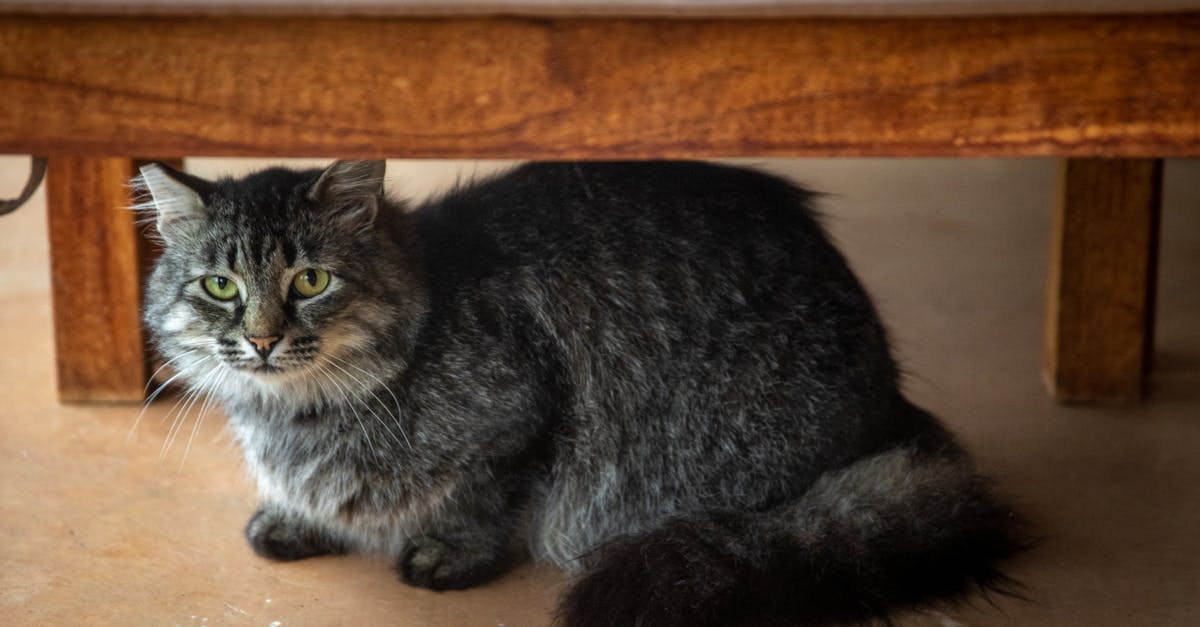
The fact that stress drives most feline lower urinary tract disease is the part that surprises cat owners — and it’s the part that makes FIC so frustrating to manage. Cats are small territorial predators who are exquisitely sensitive to environmental disruption. A new cat in the household, a rearranged living room, a loud houseguest, even a change in your work schedule can trigger a flare-up.
I’ve seen this pattern in multi-cat households where one cat starts showing urinary symptoms after another cat begins blocking their access to a preferred litter box. The territorial dispute is invisible to the humans until the stressed cat starts peeing on the bed. Research confirms that environmental stressors are a primary FIC trigger, and that interventions like adding litter boxes, increasing play opportunities, and using pheromone diffusers often resolve symptoms without medication.
This is not to say that you caused your cat’s FIC by being a bad owner. Stress in cats is complex and often invisible. But it does mean that if your vet diagnoses FIC, the treatment plan includes environmental changes — not just pills.
FIC environmental audit: what to check first
If your vet diagnoses FIC, the following environmental factors are where you start. Many FIC cases resolve or improve significantly when these stressors are addressed:
Litter box setup:
- Box count — rule is one per cat plus one extra (three cats = four boxes minimum)
- Placement — boxes should never be next to food or water bowls; avoid high-traffic areas, laundry rooms with loud machines, or corners where a cat could be trapped by another cat
- Litter type — some cats reject certain textures or scented litters; if you’ve recently changed brands, switch back
- Cleanliness — scoop daily, full cleanout weekly
Multi-cat territorial issues:
- Are cats blocking each other’s access to boxes, food, or favorite resting spots?
- Do you have vertical escape routes (cat trees, shelves) so cats can avoid each other when needed?
- Are resources (boxes, bowls, beds) spread across multiple rooms so one cat can’t guard them all?
Recent household changes:
- New pet, new baby, new roommate, house move, furniture rearrangement
- Construction noise, new appliances, schedule changes (you started working from home, or stopped)
- Visitors staying for extended periods
Water access:
- Multiple water bowls in different locations (not just one next to the food)
- Some cats prefer running water — water fountains increase intake for these cats
Pheromone support:
- Feliway or similar diffusers can reduce ambient stress; plug them in areas where your cat spends the most time
Addressing these factors isn’t guaranteed to prevent future flare-ups, but veterinary guidance from sources like the ASPCA emphasizes environmental management as the foundation of FIC treatment. Many cats with recurrent FIC improve when the environment becomes less stressful, even without ongoing medication.
Cat UTI treatment — what to expect at the vet
Diagnosis comes first. Your vet will run a urinalysis and, if bacterial infection is suspected, send a urine culture (results in a few days). If blockage or stones are a concern, they’ll do imaging.
If bacteria are found (positive urine culture), treatment is a course of antibiotics — usually 10 to 14 days, chosen based on which bacteria are present and which antibiotics they’re sensitive to. Your vet will likely want to recheck a urinalysis after treatment to confirm the infection has cleared.
If no bacteria are found (negative culture, likely FIC), antibiotics won’t help. Treatment focuses on:
- Pain management — anti-inflammatory medication or other analgesics to reduce discomfort
- Increased hydration — wet food, water fountains, multiple water bowls placed around the house
- Environmental enrichment — more litter boxes (rule of thumb: number of cats plus one), regular interactive play sessions, vertical climbing spaces, hiding spots
- Stress reduction — pheromone diffusers like Feliway, consistent daily routines, resolution of inter-cat conflicts
- Dietary adjustments — some vets recommend prescription urinary diets, though evidence on their necessity for FIC is mixed
If crystals or stones are found, treatment depends on the type. Some dissolve with dietary management; others require surgical removal.
Recovery timeline: how long until your cat feels better
One of the most common questions after a urinary diagnosis is: “When will my cat be back to normal?”
For bacterial UTI: Most cats show noticeable improvement within 48 to 72 hours of starting antibiotics. You’ll see fewer litter box trips, less straining, and more normal behavior. Complete recovery typically takes the full course of antibiotics (10 to 14 days), and it’s critical to finish the entire prescription even if symptoms resolve early. Stopping antibiotics too soon risks recurrence or antibiotic-resistant infection.
For FIC: This is slower and less predictable. Many FIC flare-ups improve on their own within 5 to 7 days, but the goal is to prevent recurrence, and that requires weeks of environmental adjustment and stress management. Some cats experience periodic flare-ups despite intervention; others improve dramatically once stressors are identified and addressed. Long-term management is the norm for FIC, not a one-time fix.
For urinary blockage (males): After emergency treatment to relieve the blockage, most cats stay hospitalized for 24 to 48 hours for monitoring and supportive care. Recovery at home can take another week or more, and some cats require prescription diets or medications to reduce the risk of re-blockage.
If your cat isn’t improving within the expected timeframe, or if symptoms return after initial improvement, contact your vet. Persistent or recurring symptoms may indicate a different underlying cause or the need for additional diagnostics.
The male cat emergency you need to know about
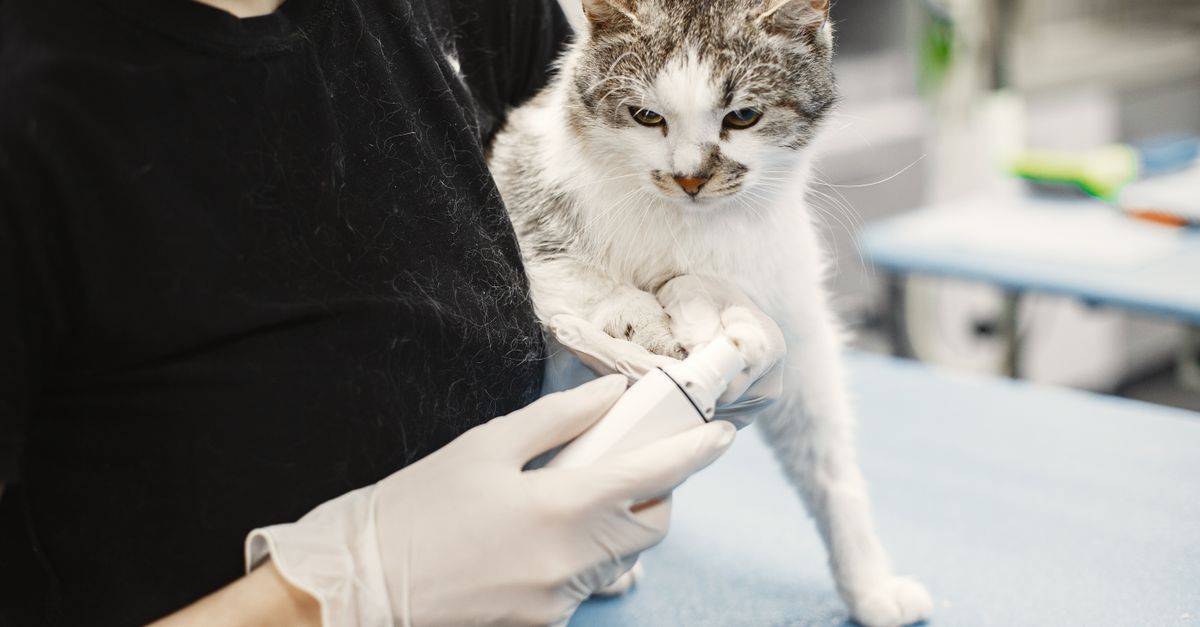
Male cats face a life-threatening complication that female cats rarely experience: urinary blockage. The male urethra is longer and narrower, making it vulnerable to obstruction by crystals, mucus plugs, or inflammation. A blocked cat cannot urinate, and according to the Merck Veterinary Manual, if the blockage isn’t relieved within 24 to 48 hours, it can cause kidney damage, toxemia, and death.
Signs of urinary blockage in male cats:
- Straining in the litter box with little or no urine output
- Painful, distressed vocalizations while attempting to urinate
- Repeated trips to the box with no result
- Lethargy, loss of appetite, vomiting
- Distended, painful abdomen
If you see these signs, get your cat to an emergency vet immediately. This is not a “wait until morning” situation. Urinary blockage is a medical emergency. Treatment involves catheterization to relieve the blockage, IV fluids, pain management, and sometimes hospitalization for monitoring.
I know a cat owner who mistook their male cat’s urinary straining for constipation. The cat required emergency surgery once the owner realized the problem. The vet’s advice: if your male cat is straining and you’re not sure whether it’s urinary or digestive, assume urinary and go to the vet. Better to be wrong and relieved than to wait too long.
When to see a vet
Schedule a vet visit within 24 to 48 hours if your cat shows:
- Straining to urinate or difficulty urinating
- Noticeably more frequent trips to the litter box
- Bloody or discolored urine
- Urinating outside the box
- Excessive licking of the genital area
- Behavioral changes (hiding, aggression, lethargy) that coincide with litter box changes
Seek emergency care within hours — do not wait — if your cat (especially male cats) shows:
- Straining in the litter box with little or no urine output
- Inability to urinate for more than 12 hours
- Signs of pain or distress while attempting to urinate
- Vomiting, extreme lethargy, or collapse
For senior cats (10 years and older) or cats with a history of urinary issues, annual urinalysis as part of wellness care helps catch problems early.
FAQ
Can I treat my cat’s UTI at home without a vet visit?
No. Urinary symptoms require veterinary diagnosis to determine the cause — bacterial infection, FIC, crystals, blockage, or something else — and the treatment varies significantly depending on the diagnosis. Guessing wrong (for example, assuming it’s bacterial and expecting antibiotics to work when the cause is actually stress-related FIC) delays appropriate treatment and prolongs your cat’s discomfort.
How can I tell the difference between a UTI and feline idiopathic cystitis?
You can’t tell by symptoms alone — they look identical. The difference is revealed through diagnostic testing. A urine culture that comes back negative for bacteria points to FIC; a positive culture identifies bacterial UTI. This is why vet visits are necessary.
Do only female cats get urinary tract infections?
No. Both male and female cats can develop UTIs and FIC. However, male cats are at much higher risk of urinary blockage — a life-threatening emergency — because of their narrower urethra. Female cats, conversely, are somewhat more prone to bacterial UTIs due to their shorter urethras, which allow easier bacterial entry. Both sexes need prompt veterinary attention when urinary symptoms appear.
Will changing my cat’s food prevent UTIs?
Diet plays a role in urinary health — primarily by affecting hydration and urine concentration — but it’s not a standalone prevention or cure. Wet food increases water intake, which can reduce the risk of crystal formation and irritation. Some prescription urinary diets are designed to dissolve certain types of crystals. But for FIC (the most common cause of urinary symptoms in cats), diet alone won’t resolve the problem; environmental and stress management are just as important. If your cat has recurring urinary issues, talk to your vet about whether a dietary change is appropriate for your cat’s specific diagnosis.
Urinary symptoms in cats are your cat’s way of telling you something is wrong, but the specifics of what and why require veterinary testing. If you’re seeing frequent litter box trips, straining, or bloody urine, don’t wait to see if it resolves on its own — especially if you have a male cat. Your vet can figure out whether this is bacterial, stress-related, or something else, and that distinction determines whether your cat needs antibiotics, environmental changes, or emergency intervention. For more on recognizing stress in cats — a key factor in FIC — see Signs Your Cat Is Stressed or Anxious.