
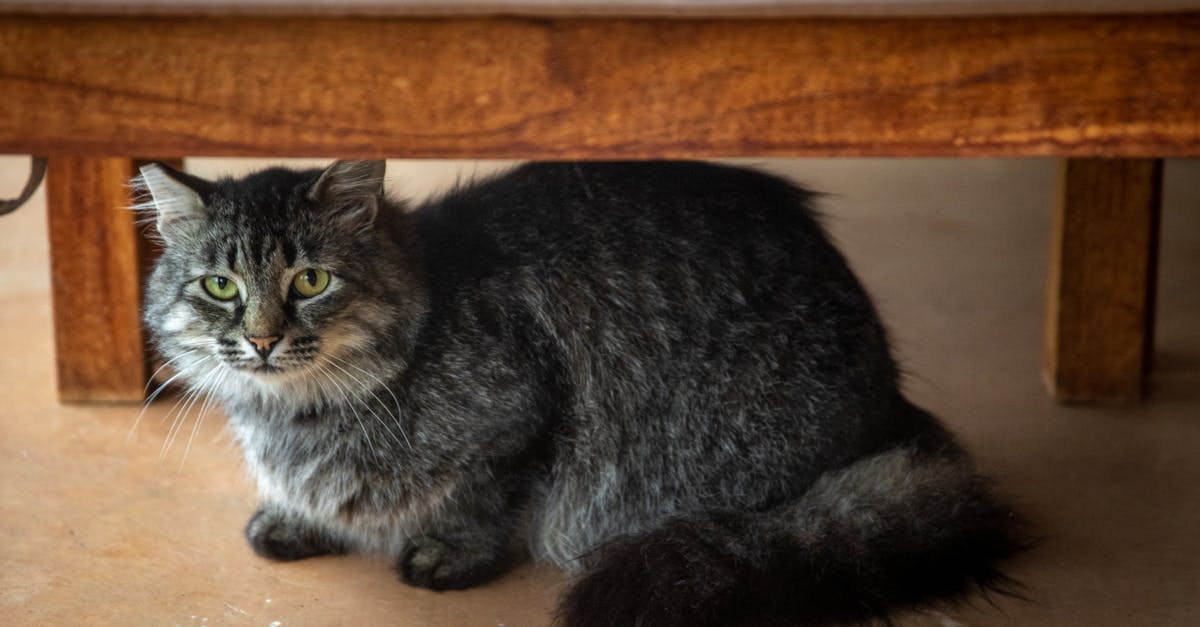
Your cat has been hiding under the bed for three days. She hisses when you reach for her, won’t touch her food, and this morning you found urine on the bathroom rug—nowhere near the litter box. You’re wondering if she’s sick, if something scared her, or if this is just how she is.
The short answer
Stressed cat behavior includes hiding, aggression, litter box avoidance, changes in appetite, and over-grooming or neglecting grooming entirely. Cat anxiety symptoms also show physically: dilated pupils, flattened ears, tense posture, and fur standing on end. These signs matter because feline stress isn’t just emotional—it can trigger or worsen real health conditions like feline idiopathic cystitis and immune suppression.
Why cats show stress differently than dogs
Cats are both predator and prey, so their stress response evolved to avoid drawing attention. A stressed dog might pace, bark, or seek comfort. A stressed cat often withdraws, hides, or becomes defensive—behaviors that helped their ancestors survive. This makes recognizing cat anxiety symptoms harder for owners, especially if the cat’s baseline personality is already independent or aloof.
Physiologically, stress activates the hypothalamic-pituitary-adrenal (HPA) axis in cats just as it does in humans. Cortisol levels rise, heart rate increases, and the sympathetic nervous system kicks in. What looks like “just hiding” is actually a full-body stress response—and when it becomes chronic, that elevated cortisol suppresses immune function and can contribute to disease.
Behavioral signs: stressed cat behavior
The International Society of Feline Medicine recognizes stress as a significant welfare issue in cats, and much of what we label “bad behavior” is actually a distress signal.
Excessive hiding or withdrawal. Cats need safe spaces, but chronic seclusion—avoiding family, refusing to leave one room, staying under furniture for days—indicates ongoing fear or discomfort. A cat in good welfare chooses to interact with her environment. Persistent avoidance is not independence; it’s a red flag.
Litter box avoidance. Inappropriate urination or defecation is one of the most common stress-related behaviors, and it’s also a symptom of urinary tract infection, feline idiopathic cystitis (FIC), and other medical conditions. Stress and illness often overlap here: stress can trigger FIC, and FIC causes painful urination, which the cat may associate with the litter box itself, leading to avoidance.
Aggression or irritability. A cat who suddenly swats, hisses, or bites during normally calm interactions is communicating distress. This can result from fear, redirected aggression (stress from one source directed at another target), or pain. The key is change—if your previously tolerant cat now lashes out, something has shifted.
Vocalization changes. Increased yowling, howling, or unusual silence in a normally vocal cat can indicate anxiety. Some cats become more vocal when stressed; others go quiet.
Changes in appetite. Refusal to eat, eating too rapidly, or eating only when alone can all signal stress. Cats are creatures of routine, and disruptions to feeding schedules or environments often show up in eating behavior first.
Over-grooming or neglecting grooming. Psychogenic alopecia—hair loss from compulsive licking—is a documented stress response. Conversely, a cat who stops grooming may be too anxious or lethargic to maintain her coat, or may be in pain. Both extremes warrant attention.
These behaviors are called “stressed cat behavior” for a reason: they’re the visible, daily signs that owners notice first. But they’re often paired with physical markers.
Physical symptoms: cat anxiety symptoms

Cats communicate stress through body language that many owners misread as “just being a cat.”
Dilated pupils in normal lighting. When a cat’s pupils are fully dilated despite adequate light, her sympathetic nervous system is activated—she’s in fight-or-flight mode. This isn’t curiosity; it’s physiological arousal.
Ear position. Ears rotated backward, flattened against the head, or held stiffly signal fear or aggression. A relaxed cat’s ears face forward or swivel naturally toward sounds.
Piloerection. Fur standing on end, especially along the spine and tail, is an involuntary response to perceived threat. It makes the cat look larger to potential predators or rivals.
Tense, crouched, or rigid posture. A stressed cat often crouches low to the ground, muscles tight, ready to flee. A truly relaxed cat lounges, stretches, or sits upright without tension.
Tail position. A tail wrapped tightly around the body, tucked between the legs, or thrashing signals distress. Compare this to the loose, upright tail of a confident, calm cat.
Changes in grooming. Beyond over-grooming to the point of bald patches, watch for matted fur, dander, or an unkempt coat—signs the cat has stopped caring for herself.
Rapid breathing or panting. Cats don’t pant like dogs. If your cat is panting outside of intense play or heat, she may be stressed, in pain, or experiencing respiratory distress.
These are cat anxiety symptoms in the clinical sense—measurable, physical responses documented in feline behavior research. They’re not personality quirks.
The important connection: stress-related illness is real and common
Here’s what most “cat behavior” articles won’t tell you: chronic stress in cats doesn’t just make them uncomfortable. It makes them sick.
Feline idiopathic cystitis (FIC) is one of the clearest examples. FIC is inflammation of the bladder with no bacterial infection, and stress is a documented trigger. Cats with FIC experience painful, frequent urination, and in male cats, urethral blockage—a life-threatening emergency. The Merck Veterinary Manual documents environmental stress as a primary factor in FIC development and flare-ups, and stress reduction is considered a first-line management strategy.
Stress also suppresses the immune system. Elevated cortisol from chronic anxiety reduces immune response, making cats more susceptible to upper respiratory infections and slower to heal from illness or injury.
Then there’s psychogenic alopecia—compulsive over-grooming to the point of hair loss and sometimes skin infection. This isn’t vanity or boredom. It’s a stress-driven compulsion, similar to human anxiety disorders, and it can become self-reinforcing even after the original stressor is removed.
This is why recognizing early signs matters. Addressing stress before it escalates can prevent illness, not just discomfort.
What triggers feline anxiety: the stressor taxonomy

Understanding what’s causing stress is the first step toward addressing it. Stressors fall into four categories:
Environmental stressors. Changes to the physical space: moving to a new home, furniture rearrangement, construction noise, fireworks, vacuum cleaners, lack of vertical space or hiding spots. Cats are territorial, and environmental disruption directly challenges their sense of security. Even small changes—a rearranged litter box, a new couch blocking a favored path—can unsettle a sensitive cat.
Social stressors. Introduction of new pets or people without gradual acclimation, changes in household members (someone moving out, a new baby), multi-cat household tension, resource guarding, or territorial conflict. Cats are not pack animals; they need resources distributed to avoid competition and ambush points. A home with one litter box for three cats is a social stressor in itself.
Routine-based stressors. Shift in feeding times, changes to work schedules or caregiver availability, disruption of play or interaction patterns. Cats are creatures of habit, and unpredictability is inherently stressful. A cat fed at 7 a.m. for years will be anxious if breakfast suddenly shifts to 10 a.m. without transition.
Medical-overlap stressors. Chronic pain from arthritis or dental disease, medication side effects, underlying urinary conditions, hyperthyroidism, or gastrointestinal discomfort. These aren’t purely behavioral—they’re physical conditions that manifest as behavioral change. A cat in pain is a stressed cat, and stress worsens pain perception, creating a feedback loop.
The ASPCA emphasizes that cats need predictable environments with resources—food, water, litter, resting spots—distributed to avoid competition. Stress isn’t always from dramatic events. It can be the slow accumulation of minor, chronic irritations.
What to do: stress recovery strategies and timelines
Once you’ve identified stress, what actually works to resolve it?
Environmental enrichment. Add vertical space (cat trees, shelves), hiding spots (boxes, tunnels, covered beds), and perching areas near windows. Distribute resources across the home—multiple water stations, feeding areas, and litter boxes (the rule is one per cat plus one extra). Environmental changes can reduce stress within hours to days if the stressor was purely environmental.
Synthetic pheromone diffusers. Feliway (synthetic feline facial pheromone) has evidence backing its use in reducing stress-related behaviors. It won’t solve every problem, but for cats stressed by environmental change or multi-cat tension, it can provide noticeable calming within one to two weeks of continuous use.
Behavior modification. Gradual desensitization to specific stressors (new pets, carrier training, handling), positive reinforcement for calm behavior, and structured play sessions to burn energy and build confidence. Behavioral improvement typically takes weeks, not days—this isn’t a quick fix.
Anti-anxiety medication. For severe or chronic anxiety that doesn’t respond to environmental changes, your vet may prescribe short-term anti-anxiety medication or long-term management with SSRIs. Medication is not a first resort, but it’s appropriate when stress is entrenched or causing illness. Expect weeks to see full effect from SSRIs; short-acting anxiolytics work within hours but are used sparingly.
Realistic timelines. Environmental fixes (adding hiding spots, redistributing resources) can reduce stress within 24 to 72 hours if the trigger was purely environmental. Behavioral interventions take weeks. If stress isn’t improving after two weeks of targeted changes, or if physical symptoms persist, your vet’s next step is typically bloodwork, urinalysis, or imaging to rule out medical causes you can’t see.
When to see a vet: the stress-vs-medical decision framework
Many stress-related behaviors are also signs of medical disease. You cannot tell the difference without a veterinary exam.
See a vet immediately—same day or emergency clinic—if your cat shows:
- Straining to urinate or inability to urinate (urinary blockage is life-threatening, especially in males)
- Blood in urine or stool
- Difficulty breathing, open-mouth breathing, or panting at rest
- Inability to walk or sudden paralysis
- Seizures or collapse
- Refusal to eat for more than 24 hours combined with lethargy
Schedule an appointment within 24 to 48 hours if your cat shows:
- Litter box avoidance combined with straining, crying in the box, or frequent trips with little output (possible FIC or UTI, even if not blocked)
- Persistent vomiting or diarrhea lasting more than two days
- Sudden aggression when touched in specific areas (may indicate pain)
- Rapid weight loss
Schedule a routine appointment within a week if your cat shows:
- Persistent hiding or appetite changes without acute symptoms
- Hair loss from over-grooming
- Behavior changes that don’t resolve after assessing and modifying the environment
- Chronic stress symptoms lasting more than two weeks
The American Animal Hospital Association guidelines for feline care emphasize that behavioral changes often have medical underpinnings. Even if stress is the root cause, a vet can rule out urinary tract infection, hyperthyroidism, pain, and other conditions that present as behavioral change. Stress-related illness is treatable—FIC can be managed with environmental modification, diet, and sometimes medication; psychogenic alopecia may require both behavioral intervention and short-term anti-anxiety support.
Don’t assume your cat will “just get over it.” Early intervention prevents chronic anxiety from becoming entrenched and protects against secondary health complications.
FAQ
Why is my cat hiding and not eating?
Hiding combined with appetite loss usually signals illness, pain, or severe stress. Cats instinctively hide when vulnerable. If this lasts more than 24 hours, see a vet to rule out infection, injury, or conditions like FIC or dental disease.
Can stress make my cat sick?
Yes. Chronic stress elevates cortisol, which suppresses immune function and can trigger feline idiopathic cystitis, gastrointestinal upset, and skin conditions from over-grooming. Stress isn’t purely emotional in cats—it has measurable physical consequences.
How can I tell if my cat is stressed or just being antisocial?
The key is change. If your cat has always been aloof but eats, grooms, and uses the litter box normally, that’s personality. If a previously social cat suddenly withdraws, or an independent cat shows new aggression, litter box issues, or physical symptoms, that’s stress.
What’s the difference between a scared cat and a stressed cat?
Fear is an immediate response to a specific threat—a loud noise, a strange dog. Stress is sustained anxiety, often from chronic environmental factors like overcrowding, lack of hiding spots, or unpredictable routine. A scared cat returns to baseline when the threat is gone. A stressed cat does not.
How long does it take for a stressed cat to calm down?
It depends on the cause and the intervention. Environmental changes (adding hiding spots, reducing noise) can show results within hours to days. Behavioral modification and pheromone diffusers take one to two weeks. If stress doesn’t improve within two weeks of targeted changes, consult your vet—there may be an underlying medical issue.
Feline stress is both a welfare issue and a health risk. If your cat is showing signs, assess recent changes—new pets, moves, noise, routine shifts—and make targeted environmental adjustments. Add vertical space, distribute resources, maintain predictable routines. When symptoms persist, overlap with medical red flags, or don’t improve within two weeks, see your vet. Stress-related conditions like FIC and psychogenic alopecia are treatable when caught early, and your cat’s behavior is worth listening to.