
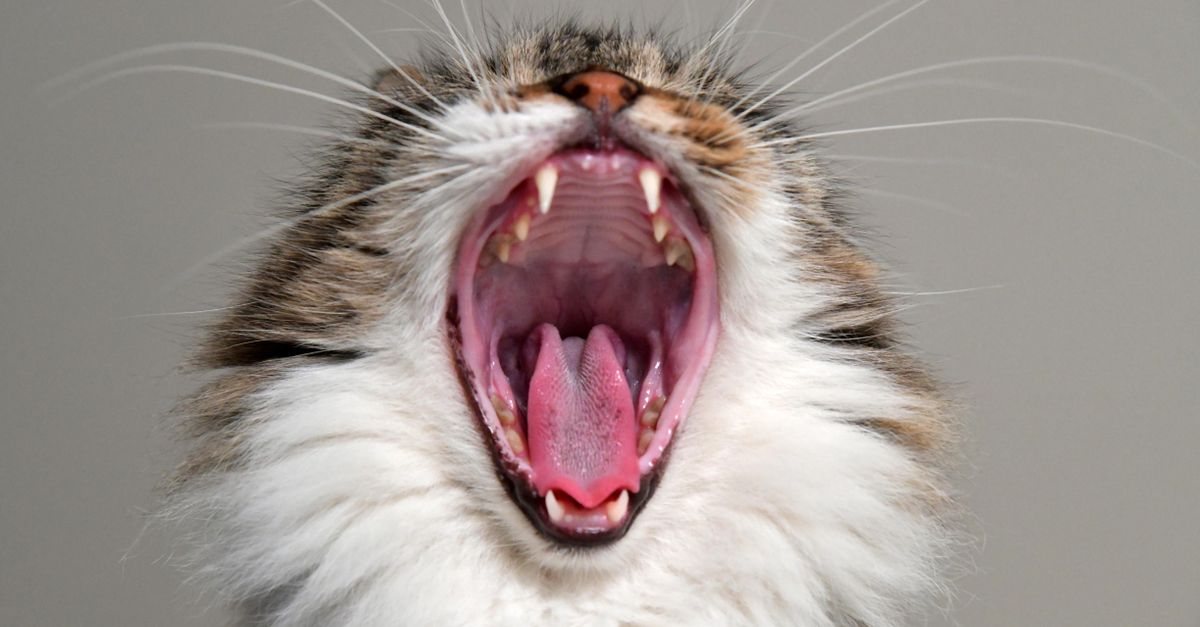
You lean in to scratch your cat’s chin and catch a whiff of something foul—not just “cat food” smell, but genuinely bad breath. It’s not normal, and it’s not something to ignore.
The short answer
Bad breath in cats is a symptom of an underlying problem, most often dental disease. The three main causes are plaque and tartar buildup, stomatitis (severe inflammation of the mouth), and systemic diseases like kidney failure or diabetes. Healthy cats don’t have bad breath.
Dental disease is the most common culprit
By age three, 70% of cats have some level of dental disease—gingivitis, tartar buildup, or tooth resorption. The issue is that dental disease progresses silently. Cats don’t complain. They keep eating, even with painful gums or broken teeth. You notice the smell before you notice the tartar.
The big one here is FORL—feline odontoclastic resorptive lesions, also called tooth resorption. It’s a degenerative condition unique to cats where the body starts breaking down its own tooth structure from the inside. It’s not caused by poor brushing. It’s not preventable through home care. And it’s progressive. Cats with FORL often lose teeth, and the condition causes bad breath well before an owner realizes something’s wrong.
Plaque and gingivitis—the earlier stages—can be managed with regular professional cleanings and, in some cases, home brushing. But once tartar is established or resorption has started, home care doesn’t reverse it. You need a vet.
Stomatitis is a different, serious problem
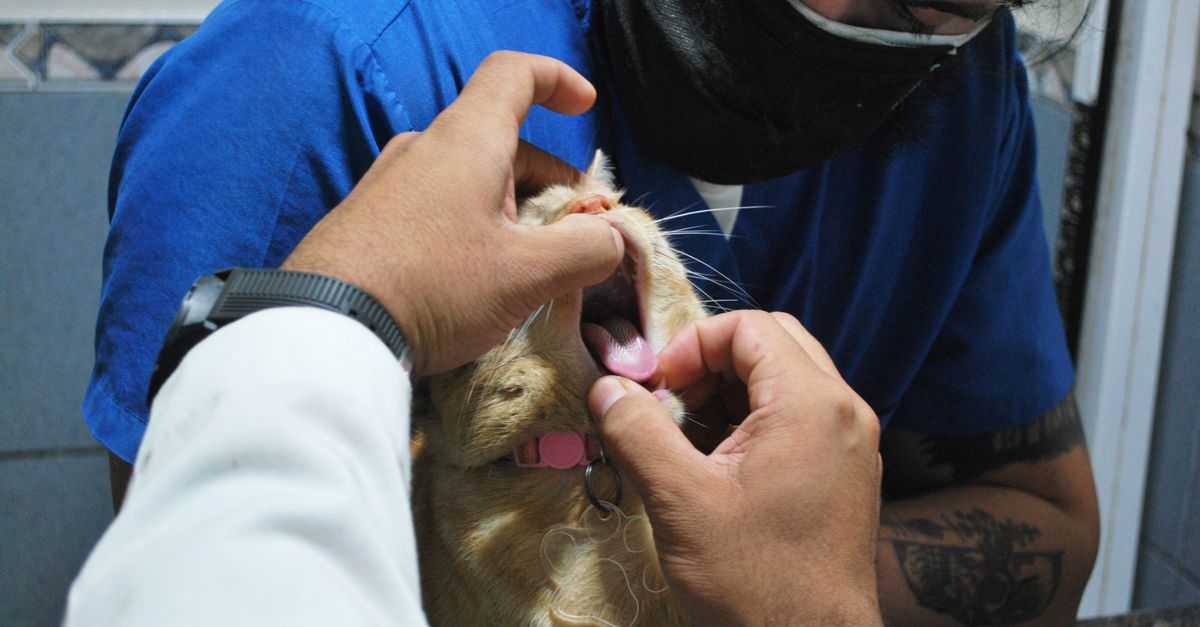
Stomatitis in cats isn’t just “bad gums.” It’s severe inflammation or ulceration of the entire oral cavity—gums, tongue, throat. Cats with stomatitis drool, refuse food, paw at their mouths, and have breath that smells rotten. It’s painful, and it doesn’t resolve on its own.
Stomatitis can be triggered by viral infections like calicivirus or herpesvirus, but in many cases it’s immune-mediated—the cat’s immune system attacks its own oral tissue. UC Davis veterinary specialists note that some cases are chronic and require long-term management, including anti-inflammatory medications or, in severe cases, extraction of affected teeth.
This is not the same as routine tartar buildup. If your cat is drooling, losing weight, or struggling to eat, see a vet the same day. Stomatitis doesn’t get better with water additives or dental treats.
Systemic diseases show up in the mouth
Bad breath can also signal a problem elsewhere in the body. Chronic kidney disease, common in older cats, causes a buildup of waste products in the blood—a condition called uremia. The breath takes on an ammonia-like or slightly sweet smell. By the time you notice it, the kidney disease is advanced.
Diabetes produces a fruity or acetone smell on the breath, the result of ketones building up when the body can’t use glucose properly. Oral tumors are rare but serious; bad breath may come with difficulty eating, facial asymmetry, or visible masses in the mouth.
If your cat’s breath changes suddenly—especially if it smells chemical, sweet, or unusually foul—and they’re also lethargic or not eating, that’s urgent. Don’t wait.
What home care actually does (and doesn’t do)

Let’s be honest: most cats will not tolerate having their teeth brushed. If yours does, great—start young, use cat-safe toothpaste, and brush a few times a week. It helps prevent early plaque from hardening into tartar. But brushing doesn’t treat existing disease. It doesn’t reverse FORL. And it doesn’t fix stomatitis.
Water additives and oral sprays freshen breath temporarily. They don’t address the root cause. A cat with untreated dental disease still has the disease—the smell just gets masked for a few hours.
Dental treats and “oral health” kibble have limited evidence behind them. Some formulations may slow plaque buildup slightly, but they are not a substitute for professional feline oral care. The American Veterinary Dental College is clear: once disease is present, the standard of care is professional scaling under anesthesia.
When to see a vet
Same day or emergency:
- Difficulty eating, excessive drooling, or facial swelling
- Sudden change in breath odor combined with lethargy or loss of appetite
- Visible ulcers or bleeding in the mouth
Within one to two weeks:
- Persistent bad breath, even if your cat is eating normally
- Visible tartar on the teeth or red, inflamed gums
Preventive care:
- Annual dental exams for all cats
- Twice-yearly exams for cats over ten or those with a history of dental disease
Your vet will perform an oral exam and may recommend dental X-rays under anesthesia to check for FORL or bone loss. If bad breath is accompanied by other symptoms—weight loss, increased thirst, vomiting—bloodwork will rule out systemic disease.
For more on keeping your cat’s teeth healthy long-term, see How to Prevent Cat Dental Disease in 5 Steps. If your cat has started refusing food or eating less, Cat Not Eating? When Loss of Appetite Is an Emergency covers the most common causes and when to worry.
FAQ
Is bad breath normal in older cats?
No. While dental disease becomes more common with age, bad breath is still a symptom of a problem—not an inevitable part of aging. Older cats should have regular dental exams to catch disease early.
Can I fix my cat’s bad breath by changing their food?
Diet alone won’t fix bad breath caused by dental disease, stomatitis, or systemic illness. While some dental-formula foods may slow plaque formation slightly, they don’t treat existing tartar or inflammation. If the breath is bad, see a vet first.
How do I know if my cat has tooth resorption?
You often can’t tell without X-rays. FORL happens below the gum line. Some cats show sensitivity when eating, but many don’t. Bad breath, visible cavities at the gum line, or red spots on the teeth are late signs. Your vet will diagnose it during a dental exam.
Bad breath isn’t cosmetic. It’s a clinical sign. The earlier you catch the cause—whether it’s tartar, stomatitis, or something systemic—the better the outcome. Your cat won’t tell you it hurts. The smell is the tell.