

Unlike dogs, who can safely skip a meal or two, a cat that stops eating is on a metabolic clock. Within 48 to 72 hours of not eating, an otherwise healthy cat can develop hepatic lipidosis—a life-threatening liver condition unique to cats. The liver mobilizes fat stores too quickly, becomes overwhelmed, and begins to fail. This is why a cat refusing food is never “just being picky” and why every cat owner needs a clear decision framework for when appetite loss becomes urgent.
I’ve lived with three cats long enough to know the difference between a senior who sniffs her dinner and walks away because it’s not warmed up versus one who won’t approach the bowl at all. That distinction matters, and this guide will help you tell the two apart—and know exactly when to call the vet.
Why appetite loss is a medical emergency in cats
Cats metabolize fat differently than other companion animals. When a cat stops eating, the body breaks down fat stores for energy. In cats, this process can overload the liver with triglycerides faster than the liver can process them. The result is hepatic lipidosis (fatty liver disease), which can become irreversible within 72 hours if untreated.
According to the American Veterinary Medical Association, anorexia—true loss of appetite—is classified as a medical emergency if it persists beyond 24 hours in a healthy adult cat, or 12 hours in kittens, seniors over 12 years, or cats with chronic health conditions. Early intervention prevents hepatic lipidosis and catches treatable underlying causes before they escalate.
This urgency is not veterinary overcaution. It’s feline-specific biology.
Picky eating vs. true anorexia: what to look for
Before you panic, observe what your cat is actually doing around food.
Picky eating (usually behavioral):
- Cat approaches the bowl, sniffs, maybe licks once, then leaves
- Appetite returns if you offer a different flavor, warm the food, or switch from dry to wet
- No other symptoms—normal energy, normal litter box use, normal grooming
- Develops gradually over days or weeks (suddenly prefers pâté over shreds, or won’t eat anything but one specific flavor)
True anorexia (medical concern):
- Cat avoids the food bowl entirely or approaches and walks away without engaging
- Appetite loss persists across multiple foods, flavors, and textures
- Accompanied by other signs: lethargy, vomiting, diarrhea, increased thirst, changes in litter box habits (more frequent urination, straining, or accidents), hiding, or unusual vocalizations
- Onset is sudden—yesterday fine, today refusing everything
One of my cats, a middle-aged scaredy-cat, stopped eating for 18 hours after a vet visit. He’d approach the bowl, sniff, and retreat. But he ate again within 12 hours when I offered him his usual food warmed and in a quieter room. That’s stress-induced pickiness. When my senior stopped eating and also stopped grooming and started hiding under the bed, that was the vet visit that diagnosed early kidney disease.
What to check before calling the vet
If your cat has missed one meal but otherwise seems normal, try these observations first:
- Is the food fresh and appealing? Cats are smell-driven eaters. Stale kibble, cold wet food straight from the fridge, or food left out for hours can all be rejected. Warm wet food to just above room temperature.
- Is the bowl accessible and clean? Some cats won’t eat from a dirty bowl or one blocked by another pet or a recently moved appliance.
- Has anything in the food routine changed? New brand, new flavor, switched from wet to dry, different feeding time—all can trigger temporary refusal in texture- or routine-sensitive cats.
- Are there stressors? New pet, houseguest, construction noise, recent travel, or a vet visit can suppress appetite for 12–24 hours.
- Is the cat drinking water? If yes, that’s a slightly better sign than refusing both food and water.
- Any vomiting, diarrhea, or litter box changes? These elevate urgency immediately.
If your cat eats within 12 hours after you address one of these factors—and shows no other symptoms—you can monitor at home. But do not wait beyond 24 hours of total food refusal.
When to see a vet: urgency timeline

Call immediately (same day or emergency clinic if after hours):
- Cat has not eaten for 12+ hours AND is a kitten, senior (12+ years), or has a known health condition (diabetes, kidney disease, hyperthyroidism)
- Cat has not eaten for 24+ hours, any age
- Appetite loss + vomiting, severe lethargy, difficulty walking, labored breathing, or straining in the litter box
- Male cat + appetite loss + not urinating or straining to urinate (possible urinary blockage—this is an emergency)
- Cat has a history of urinary issues and now won’t eat
Schedule a vet appointment within 24 hours:
- Appetite loss for 12–24 hours in a healthy adult cat with no other obvious symptoms
- Recent food change or stressor, appetite partially returned, but cat is still eating less than half their usual amount
- Appetite loss + mild lethargy or subtle behavior changes (hiding more, grooming less, increased or decreased vocalization)
Monitor at home, but stay alert:
- Single missed meal in an otherwise healthy adult cat with no other symptoms
- Appetite returns fully within 12 hours after you warm the food, offer a preferred type, or reduce stressors
- Still report the episode at the next routine vet visit—it’s useful context for the cat’s medical record
Do not let “they’ll eat when they’re hungry” reasoning push you past the 24-hour mark. Cats don’t work that way.
Common medical causes of appetite loss
Most appetite loss in cats is medical, not behavioral. Here’s what vets see most often, organized by frequency and urgency:
Dental disease Fractured teeth, gingivitis, tooth resorption, or oral ulcers make chewing painful. Cats may approach the bowl, sniff, even lick the food, then stop. Senior cats are especially prone. If your cat is drooling, pawing at their mouth, or preferring soft food over kibble, suspect dental pain. See the guide on preventing cat dental disease for prevention strategies.
Chronic kidney disease (CKD) One of the most common age-related conditions in cats over 10, according to the International Society of Feline Medicine. Early signs include increased thirst and urination, nausea, and loss of appetite. CKD is progressive but manageable with early diagnosis.
Hyperthyroidism Common in senior cats, hyperthyroidism can present with increased appetite and weight loss—or, confusingly, with decreased appetite alongside weight loss, vomiting, and hyperactivity. Bloodwork catches it.
Urinary tract infection or blockage Pain, stress, and nausea from a UTI suppress appetite. In male cats, a urinary blockage (inability to urinate) is a life-threatening emergency that often presents first as appetite loss and lethargy. If your cat is straining in the litter box or hasn’t urinated in 12+ hours, go to the vet now. See the guide on cat urinary tract infections for related symptoms.
Gastrointestinal issues Gastritis, pancreatitis, inflammatory bowel disease (IBD), food sensitivities, or intestinal parasites all cause nausea, discomfort, and food refusal. These often come with vomiting or diarrhea—see the guide on cat vomiting for related guidance.
Upper respiratory infection Cats rely heavily on their sense of smell to eat. A stuffy nose from a viral URI can make food completely unappetizing, even though the cat is hungry. You’ll usually see sneezing, nasal discharge, and watery eyes alongside the appetite loss.
Medication side effects Antibiotics, cardiac medications, NSAIDs, or pain relievers can cause nausea or altered taste. If appetite loss started within a day or two of starting a new medication, call your vet—they may adjust the dose or switch drugs.
Recent vaccination or dental procedure Mild soreness or a temporary inflammatory response can suppress appetite for 12–24 hours. This is usually self-limiting, but if it extends past 24 hours, call the vet.
Environmental and behavioral triggers
Not all appetite loss is medical. Stress and environmental changes can suppress eating, especially in sensitive cats:
- New pets, household members, or construction noise — changes to the cat’s territory or routine
- Multi-cat household dynamics — bullying or competition at the food bowl; one cat may guard the feeding area
- Travel, boarding, or a recent vet visit — post-stress anorexia can last 24–48 hours but should resolve on its own if no other symptoms are present
- Changes to feeding schedule, bowl location, or bowl type — some cats are highly routine-dependent
- Food texture or temperature preference — many cats are texture-sensitive; switching from wet to dry (or vice versa) can cause refusal until they adjust. Older cats sometimes develop preferences as taste receptors change.
If you suspect stress, see the guide on recognizing stress and anxiety in cats for a fuller picture of what stress looks like in cats and how to address it.
One of my cats—young, healthy, zero health issues—stopped eating for 18 hours after we had a houseguest stay over. He hid, refused food, and only started eating again once the guest left and I fed him in a separate, quiet room. That’s stress-induced appetite loss, and it resolved on its own. But I was watching the clock. If he’d hit 24 hours, I’d have called the vet regardless.
What to expect at the vet
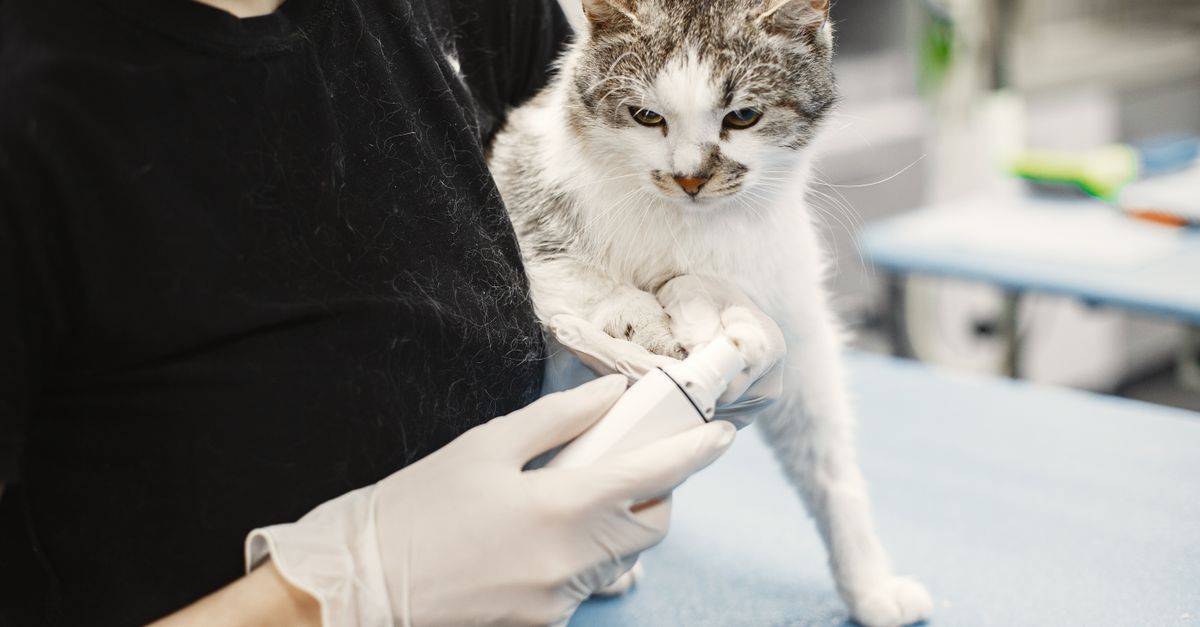
When you bring your cat in for appetite loss, expect:
- Physical exam — weight check, body condition score, oral exam (checking for dental disease, ulcers, or lesions), abdominal palpation, lymph node assessment
- Lab work — complete blood count (CBC) and chemistry panel to assess kidney function, liver enzymes, blood glucose, thyroid levels, and signs of infection or anemia
- Urinalysis — rules out urinary tract infection, diabetes, and kidney disease
- Imaging — abdominal ultrasound or X-rays if the exam or labs suggest a mass, blockage, or organ abnormality
- Dietary and environmental history — the vet will ask about food type, feeding routine, recent changes, litter box habits, other symptoms, and stressors
The more specific your observations, the faster the vet can narrow the diagnosis. Bring notes if it helps: when the appetite loss started, what foods you’ve tried, any other symptoms (even subtle ones like sleeping in a new spot or vocalizing more), and whether the cat approaches the bowl or avoids it entirely.
Myths about cats and appetite loss
Myth: “Cats are just picky eaters—they’ll eat when they’re hungry.”
Cats can and do refuse food due to medical conditions, and waiting for hunger to “win” can trigger hepatic lipidosis. True anorexia is not pickiness.
Myth: “A cat can fast for a few days without harm.”
Unlike dogs or humans, cats cannot safely fast. Extended anorexia (more than 48–72 hours) can cause irreversible liver damage. Early intervention is critical.
Myth: “If my cat doesn’t have other symptoms, it’s not serious.”
Many serious feline conditions—hyperthyroidism, early chronic kidney disease, dental disease, urinary issues—present with appetite loss as the first or only early sign. Other symptoms appear later, once the disease has progressed.
Myth: “Appetite loss is just stress; it will pass on its own.”
Temporary stress (new pet, travel) can suppress appetite for hours to a day, but persistent appetite loss almost always has a medical cause. Stress does not explain multi-day food refusal.
Summary
A cat that stops eating is not being difficult. They’re giving you a warning sign. The hepatic lipidosis timeline starts at 48 hours, but you should act sooner—within 24 hours for most cats, within 12 for kittens, seniors, or cats with existing health conditions. Observe what your cat is doing: Are they approaching the bowl and walking away, or avoiding it entirely? Are there other symptoms—vomiting, lethargy, litter box changes? If appetite returns quickly after warming food or reducing stressors and no other symptoms appear, you can monitor at home. Otherwise, call the vet.
The goal is not to diagnose your cat at home. The goal is to recognize urgency, gather useful observations, and get to the vet before the metabolic clock runs out.
Sources:
- American Veterinary Medical Association: Pet Care Resources
- International Society of Feline Medicine: Feline Health Topics
- VCA Animal Hospitals: Liver Disease in Cats
- ASPCA: Common Cat Health Issues