
A new aquarium will kill fish within days unless you cycle it first. No amount of expensive equipment or pristine tap water changes that—fish produce ammonia through their gills and waste, and ammonia burns living tissue at concentrations as low as 0.02 parts per million. In a new tank with no beneficial bacteria established, that ammonia accumulates until your fish suffocate in their own waste.
Cycling is the process of colonizing your filter and substrate with two bacterial species that convert toxic ammonia into less harmful compounds. It takes four to eight weeks. There’s no reliable shortcut. The fishless cycling method I’m teaching here is the only approach that doesn’t expose animals to toxic water while you wait for bacteria to establish.
I learned this the painful way as a kid—three neon tetras dead in a brand-new ten-gallon within 48 hours, because nobody told me an empty tank wasn’t ready for fish. The internet still circulates the same bad advice that killed those fish. This guide walks you through the method that actually works.
What you’ll need
Equipment:
- Aquarium filter (already installed)
- Aquarium heater set to 75-80°F
- Liquid test kit for ammonia, nitrite, and nitrate (API Freshwater Master Kit, ~$30)
Cycling supplies:
- Pure ammonia solution (ammonium hydroxide with no surfactants, dyes, or scents), OR
- Plain fish food (any kind; you’ll be feeding an empty tank)
Time:
- 4-8 weeks of daily testing and ammonia dosing
- 5 minutes per day during the process
Do not buy test strips—they’re unreliable for the precision cycling requires. Do not buy “instant cycle” bacterial additives; I’ll explain why below.
Before you start
Set up your tank completely before cycling begins. Install the filter, heater, substrate (if using), and any décor. Fill the tank with dechlorinated water and turn on all equipment. The bacteria you’re about to cultivate need warm, oxygenated water to colonize, so the filter and heater run 24/7 from day one.
Do not add fish, plants, or snails yet. Cycling exposes the tank to ammonia and nitrite levels that are toxic to all aquatic life. Plants can wait; they don’t accelerate the process meaningfully and some species will melt in uncycled water.
The nitrogen cycle for beginners
Fish produce ammonia (NH₃) as metabolic waste. Ammonia is highly toxic—it damages gills, suppresses immune function, and kills fish quickly. A cycled tank contains two bacterial populations that process ammonia through a two-step conversion:
- Nitrosomonas bacteria oxidize ammonia into nitrite (NO₂⁻)
- Nitrobacter bacteria oxidize nitrite into nitrate (NO₃⁻)
Nitrite is also toxic, though slightly less so than ammonia. Nitrate is relatively harmless up to 40 ppm and is removed through regular water changes. Both bacterial colonies take weeks to establish because they reproduce slowly and require a stable ammonia source to sustain growth. Once established, they process fish waste indefinitely—as long as you don’t crash the colony by removing all your filter media at once or letting the tank go dry.
University of Florida’s IFAS Extension research on aquaculture water quality documents ammonia toxicity thresholds and bacterial colonization rates across temperatures. The biology is well understood; the hard part is waiting for it to happen.
Step 1: Dose ammonia to 2-4 ppm
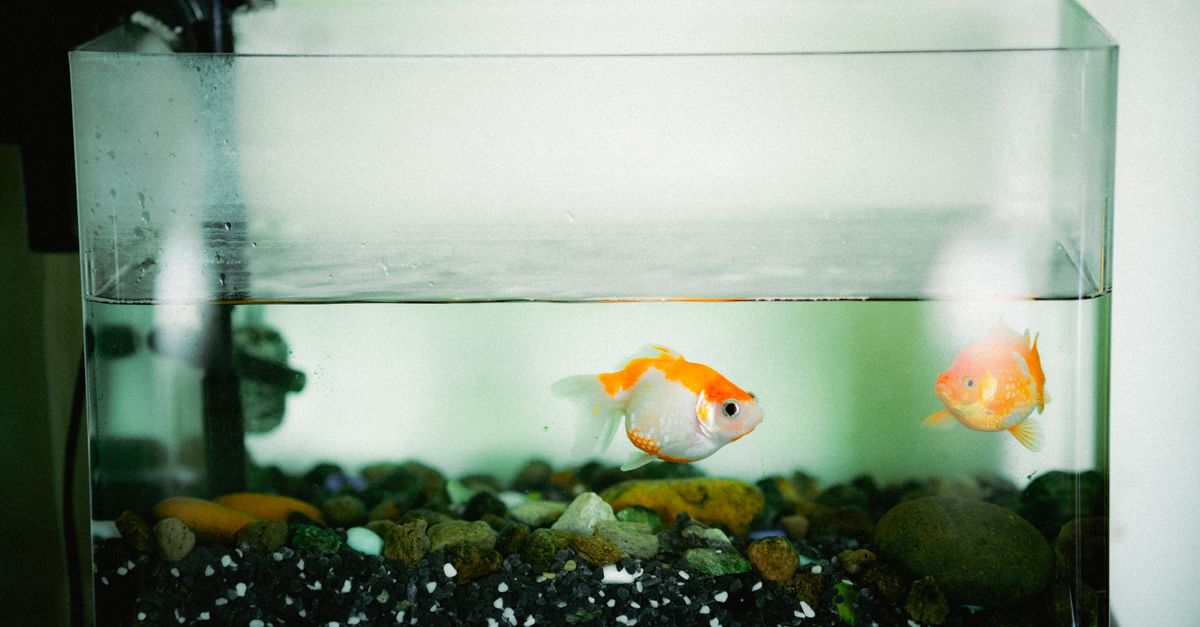
Add an ammonia source to your empty, running tank. Your goal is to raise the ammonia concentration to 2-4 parts per million as measured by your test kit.
If using pure ammonia solution: Start with 1 drop per gallon of tank water, wait 15 minutes, then test. Add more drops until you reach 2-4 ppm. Write down how many drops it took—you’ll repeat this dose throughout the cycle.
If using fish food: Drop in enough food to feed a full tank of fish (roughly a pinch per five gallons). The food will decay over 24 hours and release ammonia. Test the water the next day to confirm you’re in the 2-4 ppm range. Add more food daily to maintain ammonia levels.
Fish food is messier and less precise, but it works. I’ve cycled tanks both ways; ammonia solution is faster to dose, but food is easier to find if you don’t want to order chemicals online.
Step 2: Test water daily and track the progression
Test your water every 24 hours for ammonia, nitrite, and nitrate. Write down the numbers—either in a notebook or on your phone. You’re watching for a specific pattern that tells you where you are in the cycle.
Days 1-10 (ammonia phase): Ammonia stays high (2-4 ppm). Nitrite and nitrate read zero. Nitrosomonas bacteria are colonizing your filter media but haven’t built up enough population to process ammonia quickly. Keep dosing ammonia daily to maintain 2-4 ppm.
Days 10-21 (nitrite spike): Ammonia starts dropping. Nitrite spikes—often higher than ammonia ever was, sometimes above 5 ppm. Nitrate begins to appear (1-5 ppm). This is the hardest phase to wait through because nitrite is still toxic and the spike can last two weeks. Do not add fish. Both bacterial colonies are working now, but Nitrobacter is still catching up to the ammonia load.
Days 21-35+ (nitrite crash): Nitrite drops toward zero. Nitrate climbs steadily (10-40 ppm). Ammonia processes to zero within 24 hours of dosing. You’re close—but not done yet.
Step 3: Confirm the cycle is complete
Your tank is cycled when all three conditions are true for at least three consecutive days:
- Ammonia reads 0 ppm 24 hours after dosing
- Nitrite reads 0 ppm
- Nitrate is detectable (above 5 ppm)
This is the 24-hour confirmation rule. Dose ammonia to 2-4 ppm, wait a full day, and test. If ammonia and nitrite are both zero, your bacterial colony can process a full day’s worth of waste. Test again the next day to confirm it wasn’t a fluke.
Do not skip this step. I’ve seen new aquarists add fish the first time nitrite dropped to zero, only to see it spike back up when bioload increased. Three days of clean tests means the colony is stable.
Step 4: Do a large water change, then add fish slowly

Once cycling is confirmed, do a 50-70% water change to drop nitrate below 20 ppm. Refill with dechlorinated water matched to tank temperature.
Add a small number of hardy fish first—a few small species or one larger fish for a tank of appropriate size. Wait one week, test water again to confirm ammonia and nitrite stay at zero, then add more fish gradually. The bacterial colony is sized to your ammonia dosing schedule; if you suddenly triple the bioload, you’ll trigger a mini-cycle.
Why “instant cycle” products don’t work
Bottled bacteria products claim to seed your tank with live Nitrosomonas and Nitrobacter, letting you skip the 4-8 week wait. In practice, most don’t work as advertised. Bacteria cultures are difficult to keep alive in a bottle—they need oxygen, warmth, and an ammonia source, none of which a shelf-stable product provides reliably. Aquarium Co-op’s nitrogen cycle breakdown covers why these products fail: even if live bacteria survive shipping, the colony still has to reproduce to match your tank’s bioload, which takes the same weeks you were trying to avoid.
Some products contain dead bacteria or the wrong species entirely. I’ve tested three different “instant cycle” brands over the years and never seen one cycle a tank faster than the fishless method. Save your money. Focus on stable temperature, good oxygenation from your filter, and consistent ammonia dosing—those are the conditions bacteria actually need to colonize.
Troubleshooting
Ammonia won’t drop after three weeks: Your tank is too cold (bacteria reproduce slowly below 70°F), or your filter isn’t running properly. Check that your heater is maintaining 75-80°F and that your filter is pulling water through the media. Increase surface agitation if the water looks still—bacteria need oxygen.
Nitrite spiked above 5 ppm and won’t come down: This is normal during the nitrite phase and can take two weeks to resolve. Do not do water changes to lower nitrite unless it exceeds 10 ppm (at that point, a 50% change prevents stalling the cycle). High nitrite is uncomfortable to watch but necessary—Nitrobacter colonies need that nitrite to feed on.
Cycle seemed done, but ammonia spiked after adding fish: You added too much bioload at once. The bacterial colony was sized to your ammonia dosing, not a full tank of fish. Do a 50% water change immediately, then dose ammonia at half your previous amount and wait another week before adding more fish.
When to call a professional
If your tank has been running for 12+ weeks with daily ammonia dosing and you still don’t see nitrite or nitrate, something is interfering with bacterial colonization—pH crash (below 6.0), chlorine/chloramine in your source water, or antibacterial medications left in the system. Bring a water sample to a local aquarium shop with a good reputation (not a chain pet store) and ask them to test your parameters and check for contamination.
FAQ
Can I cycle a tank with fish already in it?
Technically yes—this is called fish-in cycling—but it exposes fish to ammonia and nitrite burns while you wait for bacteria to establish. Even hardy species like goldfish and bettas suffer gill damage and shortened lifespans from this method. It takes the same 4-8 weeks as fishless cycling but requires daily water changes to keep toxins sub-lethal, and fish often die anyway. The fishless method is faster, cheaper, and doesn’t harm animals. There’s no reason to cycle with fish in 2026.
Does adding old filter media from another tank speed up cycling?
Yes, if the media comes from a healthy, established tank. Seeding new media with colonized material can cut cycling time to 1-3 weeks because you’re transplanting an active bacterial culture instead of waiting for environmental bacteria to colonize from scratch. Most beginners don’t have access to an established tank, so I didn’t lead with this method—but if you do, it’s the fastest ethical option.
How do I know if my test kit is accurate?
Liquid test kits (API Master) are reliable if stored properly—keep them out of direct sunlight and heat, and replace them every 12-18 months as reagents degrade. Test your tap water as a control before dosing ammonia; it should read close to zero for all three parameters (some municipal water has trace ammonia or nitrate, which is fine to know). If your tap reads high or your results seem off, buy a second kit or bring a sample to a fish store for comparison testing.
Can I add plants during cycling?
Live plants consume some ammonia and nitrate, which sounds helpful but actually slows bacterial colonization—the bacteria need that ammonia to reproduce. Fast-growing plants like hornwort can stall a cycle by outcompeting bacteria for nutrients. Wait until cycling is done, then add plants. If you’re planning a heavily planted tank, some aquarists skip traditional cycling entirely and use a plant-heavy “silent cycle” approach, but that’s a different process and not what this guide covers.
Cycling a fish tank is the least exciting part of keeping fish, but it’s the part that determines whether your fish live or die in their first week. I’ve walked dozens of new aquarists through this process, and the ones who test daily and wait for confirmed results end up with thriving tanks. The ones who skip steps or trust “instant” products end up troubleshooting deaths and starting over.
Once your tank is cycled, regular water testing and gradual stocking keep the system stable. The bacteria colony you just spent two months cultivating will handle waste processing for the life of the tank—as long as you don’t crash it by cleaning all your filter media at once or leaving the tank unplugged for days. Treat it like the living system it is, and it’ll outlast most of the fish you keep.