

Food allergies account for only 1–2% of allergic reactions in cats. The other 98% of the time, that itchy skin or upset stomach has nothing to do with dinner — it’s fleas, environmental allergens, or a condition that needs a vet, not a different kibble. But the hypoallergenic cat food market doesn’t advertise that part.
Most “hypoallergenic” cat foods sold at pet stores are marketing categories, not medical formulations. They’re not designed to diagnose or treat allergies. The actual diagnostic tool — an elimination diet supervised by a vet — looks nothing like switching from one premium brand to another. Here’s what a hypoallergenic diet for cats actually involves, when it’s necessary, and why the grain-free aisle won’t solve the problem most owners think they have.
What “Hypoallergenic” Actually Means (And Doesn’t)
A true food allergy is an immune-mediated reaction to a specific protein source. The cat’s immune system treats it as an invader and responds with symptoms: itchy skin, chronic ear infections, digestive upset, sometimes hair loss. This is rare. Far more common are food sensitivities — non-immune digestive reactions like lactose intolerance or just a stomach that doesn’t tolerate rich food well. These require different approaches, and neither is prevented by feeding expensive grain-free kibble from day one.
The term “hypoallergenic cat food” on a retail package usually means one of three things: limited ingredients (fewer components theoretically means fewer triggers), novel protein (an animal the cat theoretically hasn’t eaten before, like duck or venison), or grain-free (which we’ll address shortly). None of these are therapeutic diets. They’re not formulated to the standards required for diagnosing or managing actual allergies. That designation belongs to prescription hydrolyzed protein diets, where the protein molecules are broken down so small the immune system doesn’t recognize them as a threat.
The Grain-Free Myth: Why It Persists and Why It’s Wrong
Grains are not common cat allergens. The actual triggers in confirmed feline food allergies are protein sources — particularly fish, beef, and chicken — not carbohydrates. Corn and wheat don’t make the list of common allergens. Yet grain-free formulas dominate the “hypoallergenic” retail space, often at a significantly higher price than grain-inclusive foods. What changed? Marketing caught up to a dog-food trend that never had scientific backing for cats in the first place.
Grain-free foods don’t eliminate carbohydrates — they replace grain with peas, potatoes, tapioca, and other starches that function the same way nutritionally. If your cat had a carbohydrate intolerance (extremely rare), these substitutes wouldn’t help. What grain-free formulas do accomplish: higher profit margins and the illusion of premium care. Recent FDA scrutiny into potential links between grain-free diets and heart disease in dogs has added another reason to skip the trend, though cats metabolize food differently and the direct carryover isn’t assumed. Still, the original premise was faulty. You’re paying more for a solution to a problem cats don’t have.
The Elimination Diet: The Only Real Diagnostic Tool
When a vet suspects a food allergy — after ruling out fleas, environmental allergens, and parasites, which are ten times more common — the diagnostic standard is an elimination diet. This is a controlled, time-intensive protocol, not a product swap. Here’s how it works:
Step one: Choose a base diet with a single novel protein source (a protein the cat has never eaten) or a prescription hydrolyzed protein formula. This food becomes the only thing the cat eats for 8–12 weeks. No treats. No table scraps. No flavored medications. No sneaking bites from another pet’s bowl.
Step two: Document symptoms throughout. Take photos of skin, track litter box consistency, note scratching behavior. If symptoms resolve during this period, food was likely the culprit. If they don’t, the problem is elsewhere.
Step three: Reintroduce one ingredient at a time, waiting two weeks between additions. If symptoms flare when chicken is reintroduced, chicken is the trigger. If they don’t, chicken is safe. This continues until all common ingredients are tested.
Step four: Build a permanent diet around the safe ingredients, avoiding confirmed triggers.
The American College of Veterinary Dermatology emphasizes that this process requires strict compliance. Most elimination diets fail because of contamination — a well-meaning family member offering a treat, a cat sneaking food from a dog bowl, flavored medications no one thought to check. One bite of the wrong thing resets the timeline. That’s why vets supervise this process rather than recommending owners try it on their own.
Prescription Hydrolyzed Protein vs. Over-the-Counter “Limited Ingredient”

Prescription diets like Hill’s Prescription Diet z/d or Royal Canin Hydrolyzed Protein cost $60–90 per month. Limited-ingredient retail brands cost $35–50. Why the gap, and does it matter?
Hydrolyzed protein formulas break protein molecules into fragments so small that the immune system can’t mount an allergic response. They’re formulated under controlled conditions to avoid cross-contamination from other proteins during manufacturing. They meet therapeutic nutrition standards set by veterinary boards. These are medical tools, not just food with fewer ingredients.
Over-the-counter “limited ingredient” foods list fewer components on the label, which sounds helpful but isn’t regulated the same way. They may still contain trace amounts of common allergens from shared manufacturing equipment. They’re not tested for use in elimination diets. If a cat genuinely has a food allergy, a retail “limited ingredient” food might work — but only if the specific trigger happens to be absent and there’s no cross-contamination. You’re guessing. With a prescription formula, you’re not.
The cost difference reflects this. For a cat with a diagnosed food allergy, the prescription food is worth it. For a cat with vague digestive issues that haven’t been worked up by a vet, it’s expensive guesswork.
Why Elimination Diets Fail: The Compliance Problem
Even with the best intentions, most cat owners can’t sustain a perfect elimination diet for three months. Multi-cat households are the hardest hit. You can’t explain to the other cats why one of them gets a special bowl and they need to leave it alone. Shared spaces mean shared food opportunities. One owner described it as “running a tiny maximum-security prison for twelve weeks, except the inmates don’t understand why.”
Then there’s the treat problem. Cats on elimination diets can’t have their usual treats, which often contain chicken, fish, or beef. Freeze-dried novel protein treats exist, but they’re niche and expensive. Pilling a cat becomes a negotiation when you can’t hide the medication in a Temptations. Flavored medications contain allergens too, so even a monthly flea preventive can derail the test if it’s not specifically checked.
The AVMA notes that owner compliance is the variable that determines whether elimination diets succeed or fail as a diagnostic tool. The diet itself works. The household often can’t. It’s worth being honest about this upfront: if you can’t commit to strict food control for three months, the test won’t give you a clear answer, and you’ll have spent those months and that money for inconclusive results.
When You Actually Need a Hypoallergenic Diet for Your Cat
If your cat has completed an elimination diet under vet supervision and a specific protein trigger has been confirmed, then yes, a hypoallergenic diet makes sense. You’ll either continue the prescription hydrolyzed formula or work with your vet to identify a limited-ingredient food that avoids the confirmed allergen. At that point, you know what you’re avoiding and why.
If your cat is mid-elimination diet, you’re using hypoallergenic food as a diagnostic tool, not a permanent solution. The goal is to identify triggers, not to stay on the test diet forever.
If your cat has vague symptoms — occasional vomiting, scratching, soft stool — but hasn’t seen a vet and hasn’t had fleas, parasites, and environmental allergens ruled out, switching to hypoallergenic food is premature. You’re treating a diagnosis you don’t have. Start with the vet visit. The problem might be as simple as fleas or as fixable as a different litter.
And if your cat is healthy and you’re considering hypoallergenic food as a preventive measure, don’t. There’s no evidence that feeding restricted diets to healthy cats prevents allergies. You’d be limiting nutritional variety and paying more for a benefit that doesn’t exist.
Common Triggers in Diagnosed Feline Food Allergies
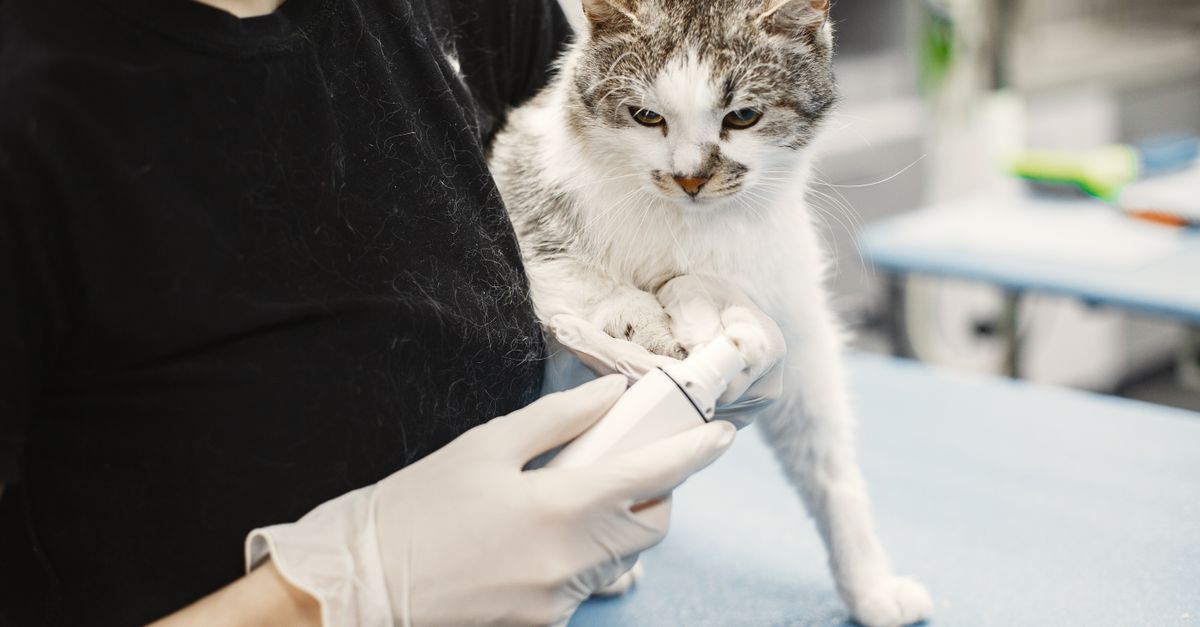
When food allergies are confirmed in cats, protein sources — particularly fish, beef, and chicken — are the usual culprits, not carbohydrates. This matters because most cheap cat foods are fish-based, and many “limited ingredient” formulas still include fish. If you’re guessing at an allergen without vet guidance, fish is a reasonable educated guess — but you’re still guessing, and guessing doesn’t diagnose.
Dairy is another common trigger, which is why the advice to avoid giving cats milk still holds. Soy occasionally appears on trigger lists, though it’s less common in cat food than in dog food.
The “novel protein” concept only works if the protein is actually novel to that specific cat. If your cat has eaten duck before, duck isn’t novel anymore. The immune system has already been exposed. Rotation diets that cycle through multiple proteins for “variety” can inadvertently remove the option of using those proteins later in an elimination diet, because none of them will be novel anymore.
When to See a Vet (And What to Expect)
See a vet before switching to hypoallergenic food if your cat shows any of these signs:
- Chronic diarrhea or vomiting, even if mild
- Persistent scratching, hair loss, or skin lesions
- Chronic ear infections or head shaking
- Any symptom that lasts more than a week or recurs frequently
Your vet should rule out parasites first — a fecal exam and flea check are faster and cheaper than an elimination diet. They’ll ask about environmental allergens (new detergent, new litter, seasonal patterns). They may discuss allergy testing, though intradermal testing is unreliable for food allergies in cats; elimination diets remain the diagnostic gold standard.
If your vet suspects a true food allergy, they’ll provide written guidance for an elimination diet: which food to use, how long to stay on it, what to avoid, and how to reintroduce ingredients. This isn’t a conversation you have once and then wing it. Expect follow-up. Expect a timeline. Expect it to be harder than it sounds.
For complex cases, ask for a referral to a board-certified veterinary dermatologist. Allergies are their specialty, and they’ll have seen every version of what you’re dealing with.
The Realistic Bottom Line
Most cats scratching at their ears or vomiting occasionally do not have food allergies. The math is clear: food allergies represent 1–2% of feline allergic reactions. Environmental triggers, parasites, and non-allergic conditions are far more common. Hypoallergenic cat food is a useful medical tool when deployed correctly, under veterinary supervision, after other causes have been ruled out. It’s not a preventive, not a first step, and not a cure for vague symptoms.
If you’ve already spent months cycling through premium limited-ingredient brands without improvement, the problem likely isn’t the ingredient list. It’s the lack of a diagnosis. Start there. The food that actually helps is the one chosen based on what a vet finds, not what a label claims.
For cats with confirmed food allergies, the right diet makes a measurable difference — but only if the diagnosis was sound and the diet matches the trigger. Everything else is expensive trial and error with a success rate that doesn’t favor guessing. Your cat’s digestion, your budget, and your patience all benefit from ruling out the likely causes first.
If your cat does tolerate a variety of proteins and you’re simply looking for high-quality nutrition, high protein cat food covers what actually matters in a daily diet. And if you’re navigating what human foods are safe to share, more on can cats eat tuna? what vets say about this popular treat explains why one of the most common allergens probably shouldn’t be a regular treat anyway.