

In six years of fostering, I’ve cleaned up more dog vomit and diarrhea than I care to count. Most of the time, it was stress from a new environment, something they ate in the yard, or a too-fast switch to a new food. Most of the time, it resolved in a day or two. But I’ve also rushed dogs to the emergency vet for what looked like simple upset stomach and turned out to be pancreatitis or an obstruction. The difference between those two outcomes comes down to recognizing a handful of specific signs.
The short answer
Most cases of vomiting or diarrhea in otherwise healthy dogs resolve within 24 to 48 hours with rest, hydration, and a temporary bland diet. You should see a vet immediately if your dog has bloody stool, won’t drink water, shows abdominal pain, or is retching without vomiting. Persistent symptoms beyond 48 hours also warrant a vet visit even if your dog seems otherwise fine.
What causes upset stomach in dogs
Dogs get upset stomachs regularly because they’re scavengers with curious mouths and sensitive digestive systems. The most common trigger is dietary indiscretion—the clinical term for “ate something they shouldn’t have.” That could be garbage, compost, sticks, socks, or the entire contents of the cat’s litter box. The mechanical and chemical irritation causes inflammation in the stomach and intestines.
Sudden diet changes are another frequent cause. Switching foods without a gradual transition (mixing old and new over 5 to 7 days) overwhelms the gut’s enzyme balance. I’ve seen this happen with well-meaning adopters who immediately switch a new dog to premium food. The food itself is fine—the speed of the change is the problem.
Stress and anxiety trigger GI upset in dogs just as they do in people. Moving to a new home, boarding, travel, or even a disrupted routine can elevate cortisol and disrupt gut motility. I fostered a hound who had diarrhea for the first three days of every placement until she settled in. Once the stressor resolved, so did the symptoms.
Less common but still worth naming: food sensitivities (which cause GI symptoms without the immune response of true allergies), parasites (especially in puppies and recently adopted dogs), and infections like parvovirus or bacterial gastroenteritis.
Hydration comes before food
Here’s what most upset stomach articles miss: in the first 24 hours, hydration matters more than food. Vomiting and diarrhea deplete fluids fast, and dehydration is the primary short-term risk, especially in puppies, small dogs, and seniors.
Offer your dog small amounts of water frequently—a few laps every 30 minutes rather than a full bowl at once, which can trigger more vomiting. If your dog refuses water for more than 12 hours, or if you notice dry gums, sunken eyes, or lethargy, that’s a vet visit. Dehydration can escalate quickly, and it’s not something you can fix at home once it’s advanced.
Some owners withhold water because they’re worried about vomiting. Don’t. Water is necessary. What you can reasonably withhold for 4 to 6 hours is food, to let the stomach settle. After that window, reintroduce food gradually.
Why bland diets work—and their limits
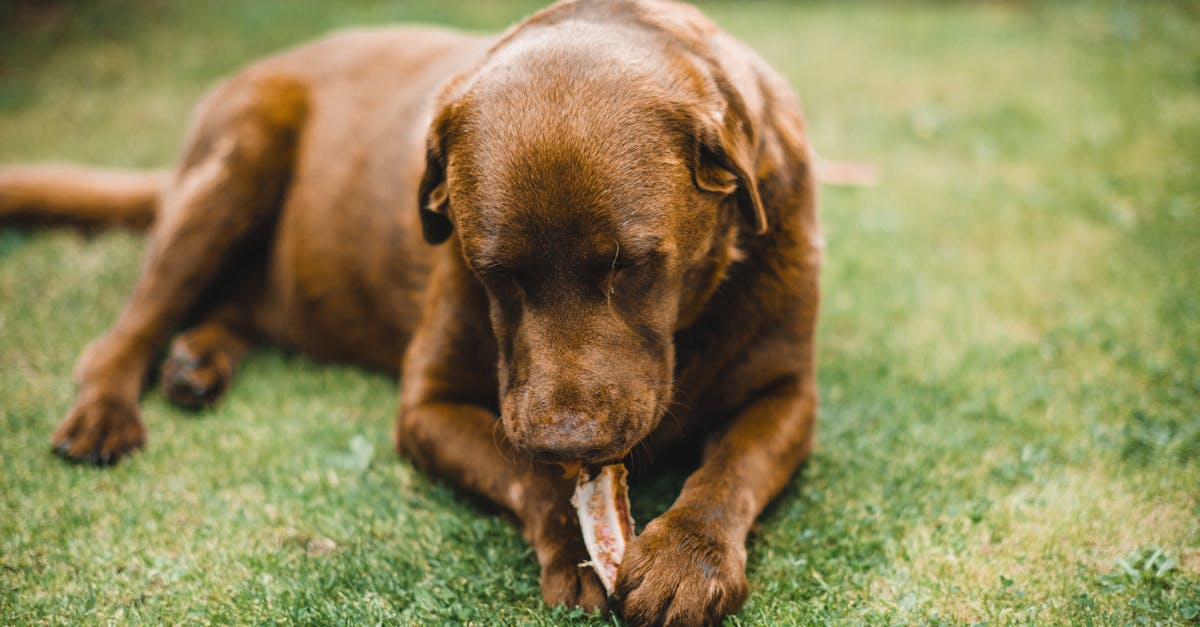
The bland diet (plain boiled chicken and white rice, or plain pumpkin) is standard advice because it works for mild cases, but most sources don’t explain why. According to veterinary guidance from the UC Davis School of Veterinary Medicine, easily digestible, low-fat foods reduce the mechanical and enzymatic workload on an inflamed GI tract. White rice is a binding starch; plain chicken provides protein without the fat that can aggravate nausea; plain pumpkin (not pie filling) adds soluble fiber that can firm up stool.
Feed small portions—about a quarter of the normal meal size—every 3 to 4 hours for the first day, then gradually increase portion size and decrease frequency over the next 2 to 3 days.
Here’s the limit: a bland diet is a temporary measure, not a long-term solution. Chicken and rice lacks the balanced nutrients—fat, vitamins, minerals—that a dog needs. Feeding it for more than 7 days risks nutritional deficiency. Once symptoms resolve, transition back to the regular diet gradually, mixing increasing amounts over 3 to 5 days.
When to see a vet: the actual triage
The internet loves to say “it usually clears up on its own,” which is true for mild cases but dangerously vague for everything else. Here’s the specific framework I learned from fostering dogs with unknown health histories.
Go to the vet immediately—not tomorrow, now—if:
- Your dog is retching or gagging without producing vomit, or has a hard, distended abdomen. This is bloat (gastric dilatation-volvulus), a life-threatening emergency that can kill within hours.
- The stool is bloody (bright red) or black and tarry (digested blood). Both indicate internal bleeding.
- Your dog is lethargic, won’t eat or drink, or is painful when you gently press the abdomen.
- Vomiting is persistent (more than 4 episodes in 6 hours) or projectile.
- Your dog is a puppy, a senior, or has a pre-existing health condition. They have less physiological reserve.
Call the vet within 24 hours if:
- Symptoms persist beyond 48 hours despite bland diet and rest.
- Your dog seems bright and alert but isn’t improving.
- This is a recurring pattern—chronic upset stomach often points to food sensitivity, inflammatory bowel disease, or chronic pancreatitis.
Home management is reasonable if:
- It’s a single episode of vomiting or a day of mild diarrhea.
- Your dog is still drinking, eating (even if reluctantly), and acting relatively normal.
- There’s no blood, no abdominal pain, no signs of distress.
The American Veterinary Medical Association notes that most acute gastroenteritis cases in otherwise healthy dogs resolve with supportive care within 3 to 7 days. If yours doesn’t, the vet visit usually uncovers something secondary—parasites, an undiagnosed sensitivity, or early-stage chronic disease.
The probiotic myth

You’ll see probiotics recommended constantly for upset stomach. Here’s what you should know: Probiotics may help restore gut flora after a course of antibiotics disrupts normal bacteria, but they don’t treat active inflammation or infection, and they don’t speed recovery from dietary indiscretion. For a one-off upset stomach, you’re better off focusing on hydration and a bland diet than spending money on supplements with unclear benefit for acute cases.
I’ve fostered dogs on veterinary-prescribed probiotics for chronic GI issues—those are a different context. For simple, acute upset stomach, hydration and rest do the work.
Pancreatitis vs. upset stomach
This distinction matters because they can look identical at first: vomiting, loss of appetite, lethargy. Pancreatitis is inflammation of the pancreas, often triggered by fatty foods, table scraps, or a sudden rich meal. Certain breeds (Miniature Schnauzers, Yorkshire Terriers) and overweight dogs are at higher risk.
The tell: dogs with pancreatitis often show abdominal pain—a hunched posture, guarding the belly, whining when you touch the abdomen. According to the Merck Veterinary Manual, pancreatitis also tends to cause more severe, unrelenting vomiting than simple dietary upset.
If your dog got into greasy leftovers or raided the trash and now won’t eat and seems painful, call your vet. Pancreatitis requires veterinary diagnosis (often via blood work and imaging) and treatment. It’s not something that resolves with chicken and rice at home.
FAQ
How long does an upset stomach last in dogs?
Most mild cases resolve within 24 to 48 hours. Symptoms should noticeably improve within the first day of bland diet and rest. If vomiting or diarrhea continues beyond 48 hours, or if your dog isn’t improving, see a vet.
Can I give my dog Pepto-Bismol or antacids?
Not without asking your vet first. Some human medications are toxic to dogs, and others can mask symptoms of a more serious condition. If you’re tempted to medicate at home, that’s usually a sign the problem needs professional evaluation.
Should I fast my dog when they have an upset stomach?
Withholding food for 4 to 6 hours can help the stomach settle, but don’t fast beyond 12 hours, especially for small dogs or puppies. Prolonged fasting increases dehydration risk and doesn’t improve outcomes. Offer small, bland meals instead.
What foods should I avoid during recovery?
Skip anything fatty, rich, or unfamiliar. Avoid table scraps, dairy (most adult dogs are lactose intolerant), and any foods toxic to dogs—grapes, onions, garlic, chocolate, or xylitol. Stick to plain, easily digestible options until your dog is fully recovered.
Most upset stomachs are just that—temporary, manageable, and gone in a couple of days. The skill is recognizing the ones that aren’t. If you’re on the fence about whether to call the vet, err on the side of the call. I’ve never regretted a precautionary vet visit, but I’ve regretted waiting. For more on recognizing pain in dogs, see Signs Your Dog Is in Pain: How to Read What They’re Hiding. And if your dog has recurring GI issues alongside skin problems or ear infections, read Signs of Food Allergies in Dogs: What Most Owners Miss—that pattern often points to food allergy rather than one-off dietary upset.