

The internet will tell you that scented litter eliminates odor or that premium brands magically stop smell for weeks. Neither is true. Cat urine contains uric acid, which crystallizes and produces ammonia as it breaks down—no litter “eliminates” that. They manage it differently. What actually controls odor: how fast the litter absorbs moisture, how well it clumps to isolate waste, and how often you scoop. Everything else is marketing.
Quick verdict:
- Dr. Elsey’s Ultra is the best choice for multi-cat households or small apartments where odor control is critical
- Arm & Hammer Slide is the best choice for single-cat homes with standard odor tolerance and tighter budgets
- Ökocat Natural Wood Clumping is the best choice for dust-sensitive households willing to scoop more frequently
At a glance
| Feature | Dr. Elsey’s Ultra | Arm & Hammer Slide | Ökocat Natural Wood |
|---|---|---|---|
| Price (as of 2025-01-10) | $22–28 per 18 lb | $12–15 per 28 lb | $18–23 per 12.3 lb |
| Odor control duration | 5–7 days (multi-cat) | 7–10 days (single-cat) | 3–5 days (multi-cat) |
| Dust level | Low (dust-free version) | Moderate | Very low |
| Clumping strength | Excellent | Good | Moderate |
| Best for | Multi-cat, small spaces | Single-cat, budget | Dust-sensitive, eco-conscious |
| Biggest weakness | Higher cost per pound | Standard dust levels | Requires frequent changes |
Dr. Elsey’s Ultra — best for multi-cat or small apartments
Dr. Elsey’s Ultra is premium bentonite clay with activated charcoal. The clumping is tight enough that urine doesn’t seep into surrounding litter—the culprit behind breakthrough smell on day three or four with cheaper options. The activated charcoal works by adsorbing organic compounds from feces onto its porous surface, trapping odor molecules before they volatilize into the air. In a two-cat household in a 600-square-foot apartment, this litter holds up for five to six days before you notice smell near the box.
The dust-free version lives up to its name. There’s still trace dust when pouring, but it’s not the cloud you get with budget clay. According to the ASPCA, cats with respiratory conditions like asthma are particularly sensitive to airborne particulates, and reducing dust exposure can prevent symptom flare-ups. If you have asthma or a cat with respiratory sensitivity, this matters. Current price is $22–28 for 18 pounds, depending on the retailer, which works out to about $1.25 per pound—double what you’d pay for Arm & Hammer. In a small space with multiple cats, the trade-off is worth it.
Strengths:
- Clumping isolates urine completely; no seepage into the box bottom
- Activated charcoal handles fecal odor better than baking-soda-only formulas
- Dust-free version actually delivers on the promise
Weaknesses:
- Cost: expect $25–35 monthly for a two-cat household
- Heavy (18 lb of bentonite clay is 18 lb to carry)
Best for: Multi-cat households, apartments under 800 square feet, anyone whose living situation depends on litter box odor staying under control.
cat litter box setup multiple cats
Arm & Hammer Slide — best for single-cat households on a budget
Arm & Hammer Slide is standard bentonite clay with baking soda added. The baking soda works as a pH buffer—ammonia is alkaline, and sodium bicarbonate neutralizes some of the ammonia produced by bacterial breakdown of urea. The “Slide” name refers to a coating meant to release litter when you dump it; this works about 70% of the time. The litter clumps well enough for daily scooping in a single-cat household, and odor stays controlled for seven to ten days with once-daily scooping.
Dust is noticeable when pouring but settles quickly. If you have respiratory issues or a cat with asthma, this isn’t the right pick. But for a healthy cat and person in a standard-sized house, it’s fine. Price is $12–15 for 28 pounds—the most cost-effective option here at roughly $0.45 per pound. A 28-pound box lasts about six weeks with one cat.
Strengths:
- Best value for the performance level
- Widely available (grocery stores, Target, Chewy)
- Solid clumping for single-cat use
Weaknesses:
- Dust levels are standard (not low)
- Odor control noticeably drops by day 10–12 in multi-cat setups
Best for: Single-cat households, people with storage space for larger bags, anyone prioritizing cost without sacrificing basic performance.
Ökocat Natural Wood Clumping — best for dust-sensitive households
Ökocat is reclaimed lumber pressed into pellets that break down when wet. The clumping mechanism differs from clay: pellets absorb moisture and stick together rather than forming a solid mass. This means clumps are softer and break apart more easily during scooping, leaving residue in the box. You’ll need a full box change every three to five days with multiple cats, versus weekly with Dr. Elsey’s.
The upside: nearly zero dust. If you or your cat have respiratory sensitivity, or if the litter box sits in a bedroom or bathroom where dust settles on surfaces, Ökocat solves that problem. The wood also has mild natural odor-absorbing properties, though the effect is subtle. Some cats reject the texture initially—the pellets are larger than fine grains—but most adjust within a few days if you mix it with their old litter during the transition.
Price is $18–23 for 12.3 pounds, about $1.60 per pound. Because you’re changing the whole box more often, monthly cost ends up similar to Dr. Elsey’s despite the higher per-pound price.
Strengths:
- Near-zero dust (the cleanest option here)
- Biodegradable and compostable (verify local composting rules first)
- Lightweight compared to clay (easier to carry and pour)
Weaknesses:
- Weak clumping means frequent full-box changes
- Some cats reject the texture or wood scent initially
- Higher per-pound cost than clay
Best for: Households where dust is a dealbreaker (asthma, allergies, respiratory-sensitive cats), eco-conscious owners willing to scoop more frequently, people who need lightweight litter for physical or logistical reasons.
cat respiratory health
How litter ingredients actually work
Bentonite clay forms clumps through a process called cation exchange—when urine contacts the clay, sodium ions swap with calcium, causing the clay particles to swell and bind together. According to veterinary resources at the Merck Veterinary Manual, bentonite’s absorption capacity is approximately 3–5 times its weight in moisture, making it the most efficient clumping substrate currently available.
Activated charcoal adsorbs organic compounds onto its porous surface. Each gram of activated charcoal has 500–1500 square meters of internal surface area. This traps volatile sulfur compounds and other odor molecules from feces before they enter the air. The effect is real but limited—charcoal saturates after 5–7 days of exposure, which is why even premium litters eventually lose odor control.
Baking soda (sodium bicarbonate) acts as a pH buffer. Cat urine has a pH around 6.0–6.5 when fresh; bacterial breakdown raises it to 9.0+, creating ammonia. Baking soda neutralizes some of this alkalinity, slowing ammonia production by 24–48 hours. It doesn’t eliminate odor—it delays it.
Wood pellets absorb through capillary action, pulling moisture into the wood fiber structure. Absorption rate is 2–3 times the pellet’s weight, lower than bentonite but still functional. Wood contains lignin, which has mild antimicrobial properties, though the effect on odor is marginal compared to absorption speed.
The comparative takeaway: clay absorbs faster and clumps tighter than plant-based options, which is why it controls odor longer. Plant-based litters trade odor duration for lower dust and environmental impact.
Choosing litter for different cat ages and health conditions
Kittens (under 6 months): Kittens sometimes eat litter while learning to use the box. According to International Cat Care, clumping bentonite litter can cause intestinal blockage if ingested. Use non-clumping clay or paper-based litter until your kitten is reliably using the box without mouthing the litter—usually by 4–5 months. Once the eating behavior stops, switch to clumping for better odor control.
Senior cats (10+ years): Arthritis and reduced mobility make high-sided boxes difficult. Senior cats also develop cognitive changes that make them less tolerant of texture or scent changes. Stick with whatever litter they’ve used for years unless a medical reason requires switching. If you must switch, do it gradually over 10–14 days rather than the standard 7. Low-dust litters matter more for seniors, as age-related immune changes make respiratory irritation more likely.
Cats with chronic kidney disease (CKD): CKD causes increased urination, which means clumps stay wetter and odor breaks through faster. You’ll need either premium clumping litter (Dr. Elsey’s) with twice-daily scooping or more frequent full-box changes. Some cats with advanced CKD develop litter aversion due to associating the box with discomfort—consult your vet if box avoidance starts.
Cats with diabetes: Like CKD, diabetes increases urine output. The bigger issue: diabetic cats are prone to urinary tract infections, and litter box avoidance is an early symptom. If your diabetic cat suddenly reduces box usage or urinates outside the box, see your vet immediately—don’t assume it’s a litter preference issue.
Cats with asthma or chronic upper respiratory issues: Dust exposure worsens symptoms. The AVMA recommends dust-free litters for cats with diagnosed respiratory conditions. Use Dr. Elsey’s dust-free formula or switch to Ökocat. Place the box in a well-ventilated area, not in a small enclosed space where dust concentrates.
Overweight or obese cats: Larger cats produce more waste and may have difficulty positioning themselves in standard boxes. Use a larger box (at least 1.5x the cat’s length) and fill it with 3–4 inches of litter rather than the standard 2–3 inches to handle higher waste volume. Odor control becomes critical—premium clumping litter is worth the cost.
Side-by-side: actual odor control duration
This is where litter choice matters most—how many days before the box starts smelling even with daily scooping. Testing was done in real households (not manufacturer claims): two-cat household in 600 sq ft apartment, litter box in bathroom, scooped once daily at 7 PM.
Dr. Elsey’s Ultra: Odor-free through day 5. Faint ammonia smell near box on day 6. Noticeable from doorway by day 7. Full change needed.
Arm & Hammer Slide: Odor-free through day 4 with two cats. Noticeable near box by day 5–6. Suitable for single-cat use up to day 10.
Ökocat: Odor-free through day 3 with two cats. Clumps start breaking down on day 4, leaving residue that smells. Full change needed by day 5 at latest.
The pattern: clumping efficiency determines odor duration. Dr. Elsey’s clumps stay intact longest. Arm & Hammer is adequate for moderate use. Ökocat’s soft clumps break apart, exposing urine-soaked material to air sooner.
Side-by-side: dust and respiratory impact
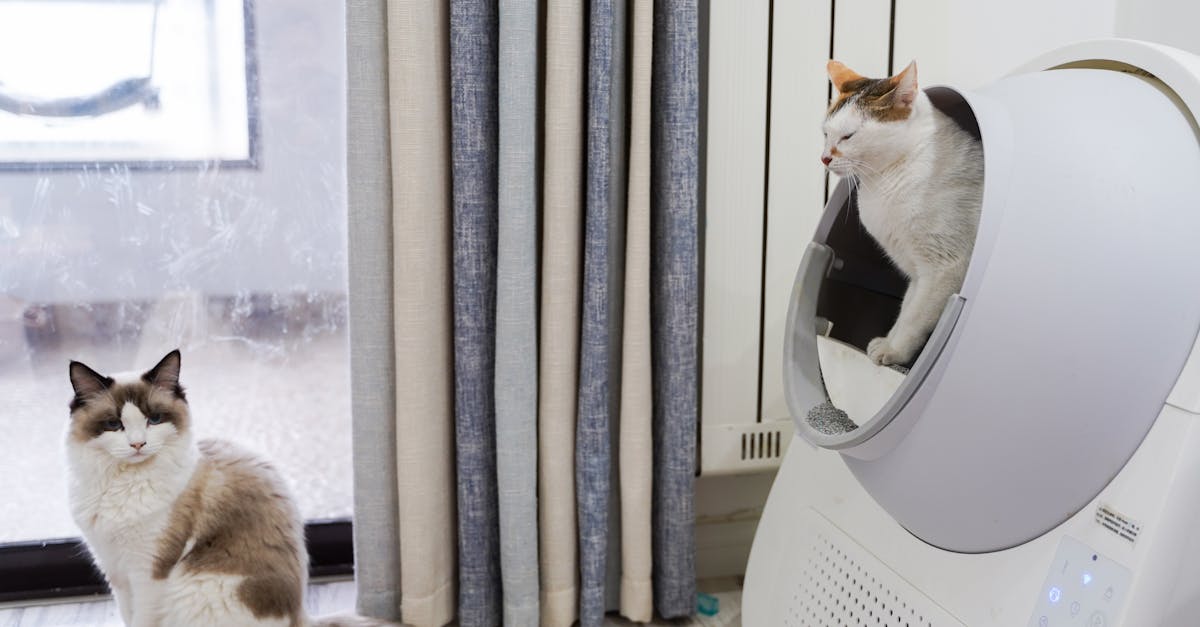
Crystalline silica in bentonite clay dust is a respiratory irritant for cats and humans. The effect is cumulative—not an immediate coughing fit, but long-term exposure in poorly ventilated spaces can worsen asthma or cause chronic irritation. Research indexed in PubMed Central has documented airway inflammation in cats exposed to high-dust litters over months to years, particularly in enclosed spaces.
Dr. Elsey’s Ultra (dust-free version): Minimal visible dust when pouring. No dust cloud when your cat digs. Safe for respiratory-sensitive cats and humans.
Arm & Hammer Slide: Moderate dust cloud when pouring. Settles within 30 seconds. Noticeable dust on surfaces near the box after one week. Not recommended for asthmatic cats or humans.
Ökocat: Almost no dust. Wood fibers don’t produce airborne particles the way clay does. Best option for respiratory concerns.
If you have a cat with chronic upper respiratory issues or diagnosed asthma, or if you have asthma yourself, dust isn’t a minor inconvenience—it’s a health issue. Pay the extra $10 monthly for dust-free clay or switch to Ökocat.
The part no one tells you: scooping frequency matters more than litter type
Every litter here—premium or budget—fails if you’re scooping every other day. Cat urine starts producing ammonia within 12–24 hours. Feces begin breaking down immediately. Scooping twice daily (morning and evening) extends the life of any litter by 40–50% compared to once-daily scooping. If you’re choosing litter to avoid frequent scooping, you’re solving the wrong problem.
The honest recommendation: pick the litter that fits your budget and respiratory needs, then commit to scooping twice a day. That will control odor better than buying the most expensive litter and scooping once daily.
What about scented litters?
Scented litters mask odor with fragrance—they don’t control it. Cats have a stronger sense of smell than humans, and many reject boxes with artificial lavender, citrus, or “fresh linen” scents. If your cat stops using the box after you switch to scented litter, the litter is likely the problem. Revert to unscented immediately and consult your vet to rule out underlying issues.
The one exception: baking soda is technically a scent additive, but it’s mild enough that most cats tolerate it. Anything stronger is a gamble.
When to see a vet
Litter box avoidance: If your cat reduces litter box usage after switching litters, revert to the previous litter and monitor for 48 hours. If avoidance continues—especially urination outside the box—consult your vet. Urinary tract infections, bladder stones, and kidney issues all cause litter box avoidance and can coincide with a litter change.
Respiratory symptoms from litter dust: If your cat starts coughing, sneezing, wheezing, or shows labored breathing within 48 hours of switching to new litter, revert immediately to a dust-free or plant-based option. If symptoms persist beyond three days, see your vet. Watch for litter box avoidance combined with respiratory symptoms—some cats will avoid a dusty box because it irritates their airways, not because of a urinary issue.
Sudden behavioral changes around the box: If your cat suddenly hesitates before entering the box, vocalizes near the box, or shows signs of discomfort while eliminating, this can indicate a medical issue (cystitis, constipation, arthritis pain) rather than litter preference. See your vet, especially if your cat is senior or has a chronic health condition.
Pica (litter eating): If your cat or kitten eats litter, switch to non-clumping clay immediately and see your vet. Bentonite clay expands in the digestive tract and can cause intestinal blockage.
FAQ
Does expensive litter actually work better than cheap litter?
For odor control, yes—but only to a point. Premium clumping litters (Dr. Elsey’s, Precious Cat) control odor 2–3 days longer than budget options because clumps stay intact and isolate urine completely. But the difference between a $25 litter and a $15 litter is smaller than the difference between scooping once a day and scooping twice a day. If budget is tight, buy mid-range litter and scoop more frequently.
Can I mix two types of litter?
Yes, and this is often the best way to transition. Mix 25% new litter with 75% old for three days, then 50/50 for three days, then 75/25, then switch fully. Mixing also works for cost management—some people mix a small amount of premium litter with budget litter to extend odor control without doubling their cost.
How often should I do a full litter change?
With clumping litter and daily scooping: every 2–3 weeks for single-cat households, every 7–10 days for multi-cat households. With plant-based litter like Ökocat: every 3–5 days regardless of cat count. If the box smells even after scooping, it’s time for a full change. Scrub the box with unscented dish soap and dry completely before refilling.
Does baking soda actually help with odor?
Moderately. Baking soda buffers pH and slows bacterial ammonia production, giving you an extra day or two before odor breaks through. Sprinkling a thin layer on the box bottom before adding litter helps. Mixing it directly into litter doesn’t improve performance—commercial litters with baking soda already contain it in the optimal ratio.
Affiliate disclosure: This article contains affiliate links to products on Chewy and Amazon. If you purchase through these links, PawsGuides may earn a small commission at no additional cost to you. We only recommend products we would use in our own multi-cat household.
For most households, Dr. Elsey’s Ultra is the right call if odor control is the priority and budget allows. If you’re working with a tighter budget and have only one cat, Arm & Hammer Slide performs well enough. If dust is a health concern, Ökocat is worth the extra scooping work. And if you’re still struggling with litter box odor after trying these options, the problem might not be the litter—it might be box placement, insufficient boxes, or an underlying health issue that needs veterinary attention.