
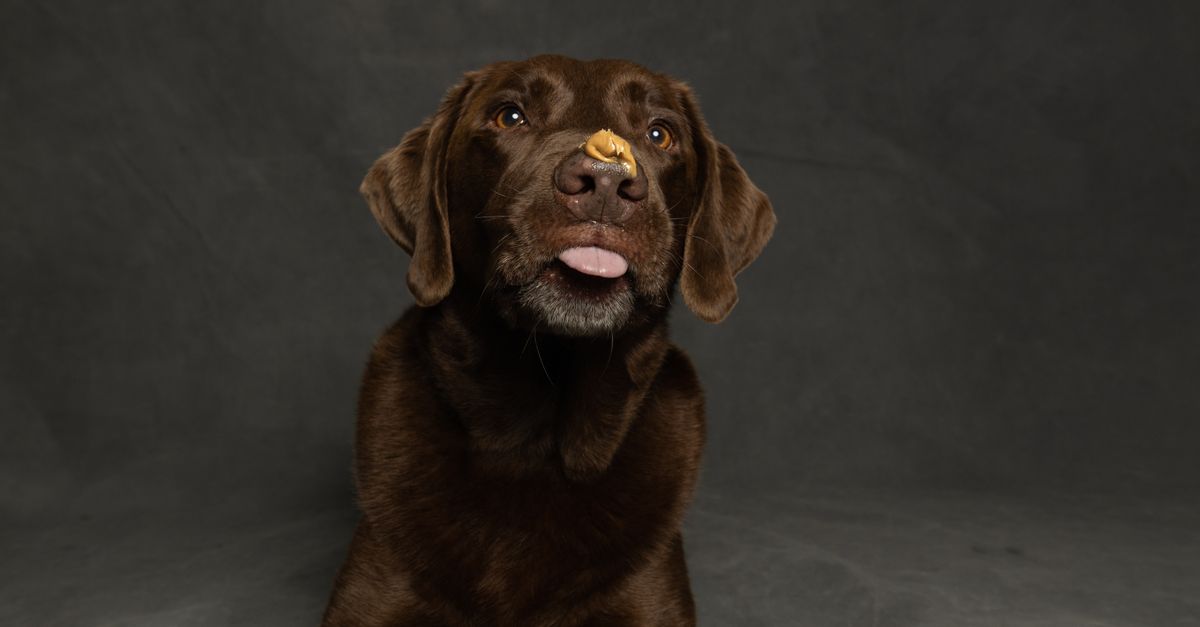
You’re loading a pill into a spoonful of peanut butter when you pause — is this actually safe? Your neighbor swears by it for training, but you’ve heard something about sugar-free versions being dangerous. The internet’s full of warnings and reassurances in equal measure.
The short answer
Yes, plain peanut butter is safe for most dogs — but only if it doesn’t contain xylitol, a sugar substitute that’s acutely toxic to dogs. Always check the ingredient label before offering any peanut butter. Even xylitol-free peanut butter should be given in small, measured portions due to its high fat content.
Why peanut butter works for dogs
Dogs can digest peanut butter without issue. It’s protein-dense, calorie-dense, and extremely palatable — which is why it’s such a popular training treat and pill-hiding vehicle. The fats are digestible, and there’s nothing inherently toxic about peanuts to dogs.
The appeal for owners is obvious: most dogs lose their minds for it. I’ve fostered dogs who wouldn’t take treats from my hand for the first week but would lick peanut butter off a spoon within minutes. That level of palatability makes it useful for specific situations — filling a Kong to keep a dog occupied during alone-time training, masking medication, or rewarding a dog who’s suspicious of standard treats.
But that same high palatability creates risk. When something tastes that good, it’s easy to overfeed.
The xylitol problem — critical warning
Here’s what you need to know: some peanut butters contain xylitol, a sugar alcohol used as a sweetener in sugar-free products. Xylitol is safe for humans. It is lethal to dogs.
In dogs, xylitol triggers a massive insulin release, causing blood sugar to plummet rapidly after ingestion. Even small amounts can cause hypoglycemia. To put this in practical terms: a twenty-five-pound dog can experience toxicity from an amount of xylitol roughly equivalent to what’s found in a single piece of sugar-free gum. Larger amounts cause liver failure. Symptoms include vomiting, lethargy, loss of coordination, and seizures. Without immediate veterinary treatment, xylitol poisoning is fatal.
Before you give your dog any peanut butter, read the ingredient label. Look for xylitol, birch sugar, or any ingredient ending in “-itol.” If you see it, don’t feed it to your dog. When in doubt, don’t feed it.
Why “natural” doesn’t mean safe
This matters more than most owners realize: some “natural,” “organic,” or “keto-friendly” peanut butters have contained xylitol despite the label suggesting wholesome simplicity. The word “natural” is a marketing term, not a safety guarantee.
I’ve seen this catch foster families off-guard. A dog owner switches from their usual brand to an organic variety at the co-op, assumes “natural” means xylitol-free, and never checks the ingredient list. Meanwhile, the manufacturer reformulated six months ago to appeal to keto shoppers. Your job is to verify the label on the jar in your hand, every time — not the jar you bought last month, and not based on what the front label implies.
Store-brand sugar-free nut butters and certain fitness-marketed products are frequent offenders, but formulations change without warning. If you’re uncertain whether a product contains xylitol, contact the manufacturer or skip it.
The fat content concern

Even xylitol-free peanut butter is extremely high in fat — the overwhelming majority of its calories come from fat. That matters.
High-fat foods can trigger pancreatitis — inflammation of the pancreas — especially in dogs with a history of the condition, obese dogs, or breeds predisposed to it (Miniature Schnauzers, Cocker Spaniels, and some terriers). Pancreatitis causes vomiting, abdominal pain, and lethargy, and it can escalate to life-threatening complications.
A tablespoon of peanut butter represents a significant portion of a small or medium dog’s daily caloric needs. If you’re using peanut butter multiple times a day for training, those calories add up fast — and so does the fat load.
Occasional small portions are unlikely to cause acute pancreatitis in a healthy dog. The risk comes from chronic overfeeding or from dogs with existing vulnerabilities. If your dog has a history of pancreatitis, skip the peanut butter entirely and ask your vet for safer alternatives.
The choking hazard
Peanut butter’s thick, sticky texture can lodge in a dog’s throat or adhere to the roof of their mouth. It’s not the most common emergency, but it happens — especially in dogs who gulp food, senior dogs with weaker swallowing reflexes, and brachycephalic breeds (bulldogs, pugs) who already have compromised airways.
If you’re giving peanut butter to a dog who gulps or has any swallowing issues, thin it with water first or mix it into their food. Don’t hand them a spoonful and walk away.
How much is safe

Peanut butter should be an occasional treat, not a training staple. Here’s what occasional looks like:
- Dogs under ten pounds: half to one teaspoon, once or twice a week maximum
- Dogs ten to thirty pounds: one teaspoon to one tablespoon, once or twice a week maximum
- Dogs over thirty pounds: one to two tablespoons, once or twice a week maximum
- Dogs with a history of pancreatitis: Skip peanut butter entirely
These portions assume the peanut butter is xylitol-free and unsalted. If you’re using it daily for pill administration, talk to your vet about whether that frequency is appropriate for your specific dog’s weight and health status.
Better alternatives for pills and training
If you’re using peanut butter primarily to hide medication, you have options that don’t come with the same fat load or choking risk. Veterinarians commonly recommend:
- Pill pockets — commercial treats designed to wrap around tablets, with a soft texture that masks pills effectively
- Cream cheese or cottage cheese — lower-fat dairy options that most dogs find palatable (use small amounts; skip if your dog is lactose-intolerant)
- Liverwurst or braunschweiger — extremely high palatability, useful for dogs who refuse other options (use sparingly due to sodium content)
- Canned pumpkin (plain, not pie filling) — low-calorie and digestive-friendly
- Honey — sticky enough to coat a pill, though high in sugar (use a minimal amount)
- Banana — soft texture, naturally sweet, easy to wrap around a tablet
The right choice depends on your dog’s size, dietary restrictions, and what they’ll actually eat. A dog who refuses cream cheese might inhale liverwurst. A senior dog with dental issues may do better with soft banana than a firm pill pocket.
For training, skip the peanut butter entirely and use:
- Single-ingredient freeze-dried meat (chicken, beef, turkey)
- Small pieces of cooked chicken breast
- Carrots (raw or frozen — many dogs love the crunch)
- Apple slices (no seeds)
- Store-bought low-calorie dog treats with visible nutrition labels
Palatability matters, but consistency and timing matter more. I’ve trained reactive dogs using nothing but baby carrots.
FAQ
What peanut butter brands are safe for dogs?
Any brand is safe if the ingredient label lists only peanuts (and possibly salt). Most standard commercial peanut butters are xylitol-free — but you must verify the label on your specific jar, as formulations change. “Natural” or “organic” labels do not guarantee xylitol-free. When in doubt, contact the manufacturer.
How do I know if my dog ate xylitol?
Symptoms appear rapidly and include vomiting, lethargy, loss of coordination, and seizures. If you know or suspect your dog ate xylitol, call the ASPCA Animal Poison Control Center or Pet Poison Helpline immediately. Do not wait for symptoms to develop.
Can I use peanut butter every day for pills?
It depends on the dog’s size, weight, and health status. For a large, healthy dog, a small daily amount is usually fine. For a small dog or a dog prone to weight gain, that daily fat and calorie load adds up. Ask your vet if daily use is appropriate for your dog, or consider lower-calorie alternatives like pill pockets or cream cheese.
Is natural peanut butter better for dogs?
Not necessarily. “Natural” peanut butter is still high-fat, and some natural brands have been reformulated to include xylitol for keto or sugar-free markets. The ingredient list matters more than the marketing label. Xylitol-free and unsalted is the goal, whether it’s labeled natural or not.
When to call your vet
Call your vet if your dog has eaten any peanut butter and you’re unsure whether it contains xylitol. Call immediately if your dog shows signs of hypoglycemia (vomiting, lethargy, loss of coordination, seizures) after eating peanut butter. If your dog has a history of pancreatitis or digestive issues, ask your vet before introducing peanut butter as a regular treat.
Peanut butter isn’t dangerous if you check the label. Most dogs can have it as an occasional, measured treat. Just remember: verify xylitol-free every time, keep portions small, and don’t let palatability turn into overfeeding. For more on foods to avoid, see toxic foods for dogs.