

Good news: kittens come pre-wired to use litter boxes. They instinctively bury waste in loose substrate — it’s hardwired behavior, not something you have to teach from scratch. What you’re actually doing is setting up an environment that supports that instinct and removing barriers. Most kittens will use a litter box within days if the setup is right.
This guide covers the developmental timeline for box readiness, the mechanics of litter training from 3–4 weeks old through the first few months, what to do when accidents happen, and when litter box issues signal something medical that needs a vet’s attention.
Understanding kitten readiness: the 3–16 week timeline
Litter box success isn’t just about access — it’s about neurodevelopment. Kittens mature through predictable milestones that affect their ability to use a box reliably.
3–4 weeks: The burying instinct emerges. Kittens begin scratching at soft surfaces and may eliminate in loose substrate if it’s available, but bladder and bowel control is still immature. Expect frequent accidents. A very shallow box (2–3 inches high) with non-clumping litter is appropriate here. According to the ASPCA, this is when environmental exposure to a litter box should begin, even though consistency won’t happen yet.
5–8 weeks: Bladder control improves significantly. Kittens can now “hold it” for short periods and will begin seeking out the box on their own. The burying behavior becomes more deliberate. This is the window where most kittens transition from frequent accidents to reliable use, though mistakes during deep sleep or intense play are normal.
9–12 weeks: Near-adult control. Most kittens are reliably box-trained by 12 weeks unless there’s a medical issue or severe environmental stressor. Accidents become rare. Box height can increase to standard adult dimensions (6–7 inches).
13–16 weeks: Full reliability. If a kitten this age is still having frequent accidents, assume medical or behavioral causes rather than developmental immaturity.
This timeline explains why “most kittens use the box within days” is true for 8-week-old adoptees but not for 4-week-old fosters — the nervous system simply isn’t ready yet at the younger age.
What you’ll need
Supplies:
- Litter box (low-sided for kittens under 8 weeks; standard adult box for older kittens)
- Litter (unscented, fine-grained clay or non-clumping for very young kittens; transition to clumping after 8 weeks)
- Litter scoop
- Enzymatic cleaner (for accidents)
- Multiple boxes if you have more than one kitten (one per kitten plus one extra)
- Optional: multiple litter types for preference testing (see substrate testing section)
Prerequisites:
- Kitten is at least 3–4 weeks old
- Kitten has access to a quiet, low-traffic area
- Food and water bowls are placed away from the litter box
Before you start
If your kitten is a rescue or came from an outdoor litter, expect a transition period. Some kittens have no litter box experience or have developed bad associations. Give rescue kittens 2–4 weeks to settle; litter habits often stabilize once initial stress passes.
Medical note: Sudden litter box refusal, straining, crying in the box, or frequent accidents in a kitten that was previously consistent can indicate urinary tract infection, parasites, or other illness. When in doubt, see a vet before assuming behavior problems.
Safety: Avoid clumping litter for kittens under 8 weeks old. They groom constantly and can ingest clumping particles, which can cause intestinal blockages. Non-clumping clay or paper-based litter is safer for very young kittens.
Step 1: Set up the litter box in the right location
Place the box in a quiet, low-traffic area away from food and water bowls. Kittens won’t use a box that feels exposed or is next to their food. For a multi-room home, start with the box in whichever room the kitten spends most time in — usually a bedroom or bathroom during the first few weeks.
The box should have low sides (3–4 inches) so a small kitten can climb in easily. Adult boxes with high sides work fine once the kitten is 10–12 weeks old, but young kittens need easy entry. AAHA’s feline behavior guidelines emphasize that accessibility barriers are one of the top causes of early box avoidance.
What success looks like: The kitten can enter and exit the box without struggling. The location is quiet enough that the kitten won’t be startled mid-use.
Step 2: Choose the right litter (and test for texture preference if needed)

Use unscented, fine-grained litter. Most kittens default to fine textures that mimic sand or dirt. Start with non-clumping clay for kittens under 8 weeks, then transition to clumping clay or another preferred substrate after that.
Avoid:
- Scented litters (respiratory irritant; many kittens refuse scented boxes)
- Pine or cedar shavings (respiratory toxins)
- Crystalline silica litters (inhalation risk)
If you’re adopting a kitten that was raised on a specific litter type (pellets, paper, etc.), ask what they used and start with that. If you want to switch, mix the old and new litter 50/50 for 1–2 weeks. Abrupt substrate changes often trigger avoidance.
For texture-sensitive kittens: Individual substrate preference is real. If your kitten consistently refuses the box despite correct setup, location, and cleanliness, run a preference test. Set up three boxes side-by-side with different litter types: fine clumping clay, paper-based pellets, and sand-like non-clumping. Observe which box the kitten chooses over 3–5 days. Once you identify the preferred substrate, commit to it. This solves the “I followed every step and my kitten still won’t use the box” edge case that’s often texture-driven.
What success looks like: The kitten digs and buries in the litter without hesitation.
Step 3: Show the kitten where the box is
After meals, naps, or play sessions, gently place the kitten in the litter box. Don’t force digging motions — just let them explore. Most kittens will sniff, dig a bit, and either use the box or hop out. Repeat this a few times a day for the first 2–3 days.
If the kitten eliminates in the box, let them finish and exit on their own. Don’t hover or interrupt. If they hop out without using it, try again in 20–30 minutes.
What success looks like: The kitten begins going to the box on their own after a few days.
Step 4: Clean accidents properly
If an accident happens outside the box, clean the spot immediately with an enzymatic cleaner (not ammonia-based cleaners — ammonia smells like urine to cats and reinforces the spot as a bathroom). Gently move the kitten to the litter box without scolding.
Do not punish, yell, or rub the kitten’s nose in the accident. Kittens have no cause-and-effect understanding of post-event correction, and punishment creates fear of you and the box.
What success looks like: The accident spot is neutralized; the kitten doesn’t return to that location.
Step 5: Maintain the box daily
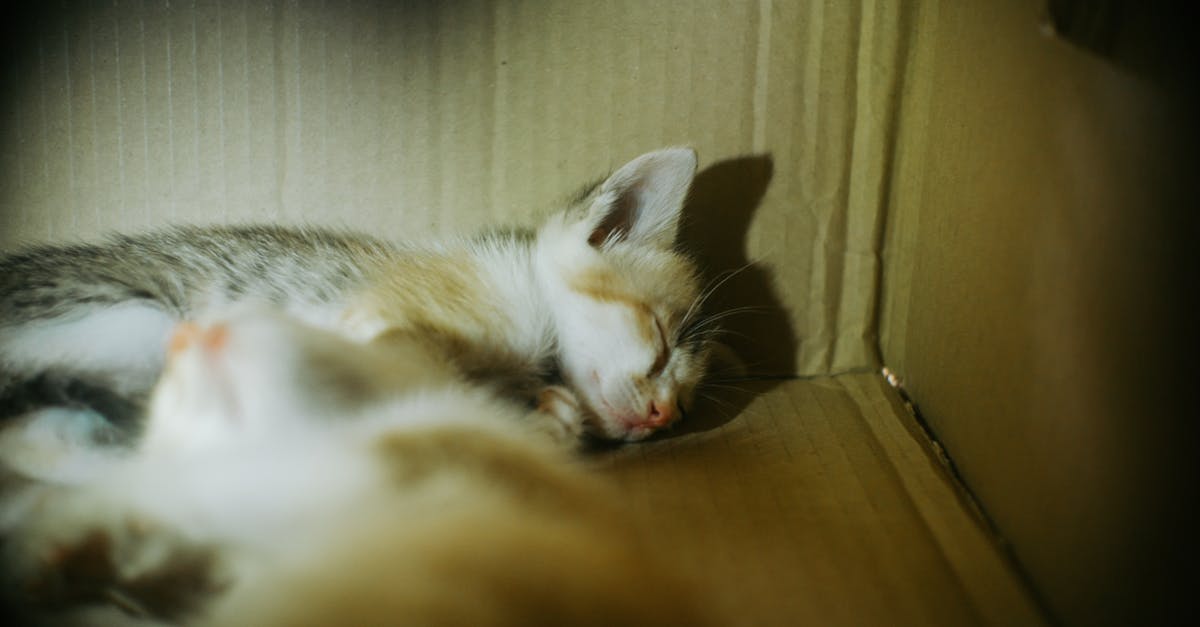
Scoop the box once or twice a day. Kittens (and adult cats) avoid dirty boxes. Change the litter completely once a week, wash the box with mild soap and water, and refill with fresh litter.
If you have multiple kittens, plan for one box per kitten plus one extra. Spread boxes across different areas if possible — some kittens refuse a box another kitten just used.
What success looks like: The box is clean and odor-free; kittens use it consistently.
Verify it worked
By 8–10 weeks old, most kittens use the litter box reliably with occasional accidents during sleep or play. Expect near-perfect consistency by 12 weeks unless there’s a medical issue.
If your kitten is still having frequent accidents after 12 weeks, or if accidents suddenly start after weeks of success, see a vet before assuming behavior problems.
Troubleshooting persistent box avoidance: a systematic approach
When a kitten refuses the box despite following the setup steps, work through this diagnostic sequence. Don’t skip ahead — the order matters.
1. Rule out medical causes first
Litter box avoidance is a common symptom of urinary tract infections, intestinal parasites, constipation, diarrhea, and bladder stones. UC Davis Veterinary Medicine research on feline elimination disorders shows that medical issues are present in a significant percentage of cases initially assumed to be behavioral.
Schedule a vet exam before troubleshooting further if the kitten:
- Strains or cries in the box
- Produces only small amounts of urine or has very hard/very loose stool
- Has blood in urine or stool
- Suddenly regressed after weeks of consistent use
- Is lethargic, has reduced appetite, or shows other illness signs
If the vet clears the kitten medically, move to step 2.
2. Assess environmental factors
Assume the box setup is wrong before blaming the kitten.
Check these variables:
- Box height: Can the kitten enter and exit without climbing or jumping? If not, switch to a lower-sided box.
- Cleanliness: Are you scooping at least once daily? Kittens often refuse boxes that smell used.
- Location: Is the box in a high-traffic area, near a loud appliance (washer, dryer, furnace), or next to food bowls? Move it to a quieter spot.
- Box size mismatch for developmental stage: A 5-week-old kitten may need a smaller, shallower box than a 12-week-old. Reassess as the kitten grows.
- Litter depth: Too shallow (less than 2 inches) or too deep (more than 4 inches) can deter use. Aim for 2–3 inches.
- Covered vs. open: Many kittens dislike covered boxes. If you’re using one, try an open box.
If environmental factors are correct, move to step 3.
3. Address stress and behavioral factors
Past trauma or learned aversion: Rescue kittens, kittens from hoarding situations, or kittens with a history of punishment around elimination may have negative box associations. These cases need time, patience, and sometimes multiple box locations. Confine the kitten to a small, safe space (bathroom, large crate) with food, water, and box until consistent use resumes, then gradually expand access.
Substrate aversion: If the kitten avoids the box but eliminates on soft surfaces (bedding, carpet, towels), they may dislike the litter texture. Run the substrate preference test described in Step 2.
Multi-cat stress: In multi-kitten households, one kitten may guard the box or intimidate others. Add more boxes in separate rooms.
Change-related stress: Moving to a new home, introducing a new pet, or household disruption can temporarily disrupt box habits. Provide extra boxes, maintain routine, and give the kitten low-stress retreat spaces.
If you’ve worked through all three steps and the kitten still refuses the box, consult a veterinarian or veterinary behaviorist. Persistent avoidance despite correct medical and environmental management is rare and may require professional behavioral intervention.
When to call a professional
See a vet if:
- The kitten is straining, crying in the box, or producing very small amounts of urine (this can indicate a urinary blockage, which is an emergency)
- Diarrhea or constipation lasts more than 24 hours
- The kitten is over 12 weeks old and refuses the box entirely despite correct setup
- Sudden regression after weeks of consistent use
- Blood in urine or stool
The Merck Veterinary Manual notes that feline elimination disorders often have medical components that must be addressed before behavioral interventions will succeed. Do not assume behavioral fault until medical causes are ruled out.
FAQ
At what age can kittens use a litter box?
Kittens can use a litter box from 3–4 weeks old, though bladder control improves through 12 weeks. Expect occasional accidents even in well-trained kittens under 8 weeks. By 12 weeks, most kittens are reliably box-trained barring medical issues.
What litter type is best for kittens?
Unscented, fine-grained litter works best for most kittens. Use non-clumping clay or paper-based litter for kittens under 8 weeks to avoid ingestion risks, then transition to clumping clay if preferred. Avoid scented litters, pine/cedar shavings, and crystalline silica. If your kitten refuses standard recommendations, test multiple substrates side-by-side to identify individual preference.
Why is my kitten having accidents outside the box?
Common causes: box is too dirty, too high-sided, or in a stressful location; litter substrate is uncomfortable; kitten has a urinary tract infection, parasites, or digestive upset. Work through the troubleshooting framework: medical evaluation first, then environmental factors, then behavioral/stress factors.
How many litter boxes do I need for one kitten?
Start with two boxes, especially if you have a multi-level home or if the kitten spends time in different rooms. For multiple kittens, use one box per kitten plus one extra. This prevents competition and gives each kitten options.
Should I use covered or open litter boxes for kittens?
Most kittens prefer open boxes — covered boxes trap odors and can feel confining. Start with an open, low-sided box. You can try a covered box later if the kitten tracks litter heavily, but watch for avoidance behavior.
When should I be concerned about litter box behavior?
See a vet if the kitten strains, cries in the box, has bloody urine or stool, or suddenly stops using the box after weeks of consistency. Litter box avoidance in kittens often signals medical issues, not behavioral problems.
Most litter training “failures” are setup problems, not kitten problems. Kittens want to use the box — our job is to make it easy, clean, and stress-free. When accidents happen despite good setup, work through the diagnostic framework: medical first, environment second, behavior third. For more on kitten nutrition and digestion (which affects litter habits), or litter box comparisons for multi-cat households, see the related guides. For cost breakdowns on litter types and long-term budgeting, FinovaDaily’s pet care cost guide covers the financial side.