

A heat lamp alone will not keep your bearded dragon healthy. You need two separate systems: one for warmth, one for UVB light. The heat lamp lets them thermoregulate. The UVB bulb lets them synthesize vitamin D3, which prevents metabolic bone disease—a condition that softens bones and can become life-threatening within weeks. Most new keepers don’t realize these are different fixtures doing different jobs, and that confusion leads to sick dragons.
This guide walks you through setting up both systems correctly: the wattage, the placement, the thermostats, and the bulbs that actually work.
What you’ll need
For heating:
- 75–100W ceramic heat emitter or halogen basking bulb
- Deep-dome ceramic fixture (not porcelain; must handle high heat)
- Thermostat controller with probe (analog dial or digital display)
- Digital thermometer (not stick-on analog)
- Basking platform or flat rock
For UVB lighting:
- UVB-B bulb rated 280–320 nm wavelength (ReptiSun 10.0 or Arcadia D3 Dragon are standard choices among exotic veterinarians)
- UVB fixture (tube or compact spiral)
- Plug-in timer for photoperiod control
Cost estimate: $60–$150 total depending on fixture quality and bulb type.
Before you start
Burn and overheating risks are real. Unguarded heat lamps or direct contact with hot bulbs cause severe burns. Unregulated lamps in small enclosures can reach dangerously high temperatures, leading to heat stroke. Use ceramic fixtures with reflectors, maintain at least 12 inches of clearance, and always run your heat lamp through a thermostat.
UVB through glass doesn’t work. Standard glass and some mesh screens block significant UVB, reducing output below useful levels. Position your UVB bulb above unobstructed mesh or use an open-top section so the light reaches your dragon directly.
This is not optional. Bearded dragons are desert reptiles that regulate body temperature by moving between hot and cool zones. Without proper heat, they can’t digest food. Without UVB, they can’t process calcium, and metabolic bone disease develops quickly. Both systems must be in place before you bring a dragon home.
Step 1: Set up the heating lamp
Choose a 75–100W ceramic heat emitter or halogen bulb. Ceramic emitters produce heat without visible light, which is useful if you need nighttime warmth without disrupting the dragon’s day/night cycle. Halogen bulbs work well for daytime basking and give off a natural light spectrum.
Mount the bulb in a deep-dome ceramic fixture—porcelain holders can crack under sustained heat. Position the fixture 12–18 inches above the basking platform (a flat rock or ceramic tile works well). You want to create a defined warm zone on one side of the enclosure, not heat the entire tank evenly.
Plug the fixture into a thermostat controller. Place the thermostat’s temperature probe directly on the basking surface, not dangling in midair. Set the thermostat to maintain 95–110°F at the basking spot. Juveniles tolerate the higher end of that range; adults typically prefer 95–105°F. This temperature range is consistent with exotic veterinary guidelines for bearded dragon thermoregulation.
Use a digital thermometer to verify the temperature on the basking surface. Adjust the lamp height or wattage if the reading is off. The opposite end of the enclosure—your cool side—should stay between 75–85°F with no additional heating.
Step 2: Set up the UVB lighting
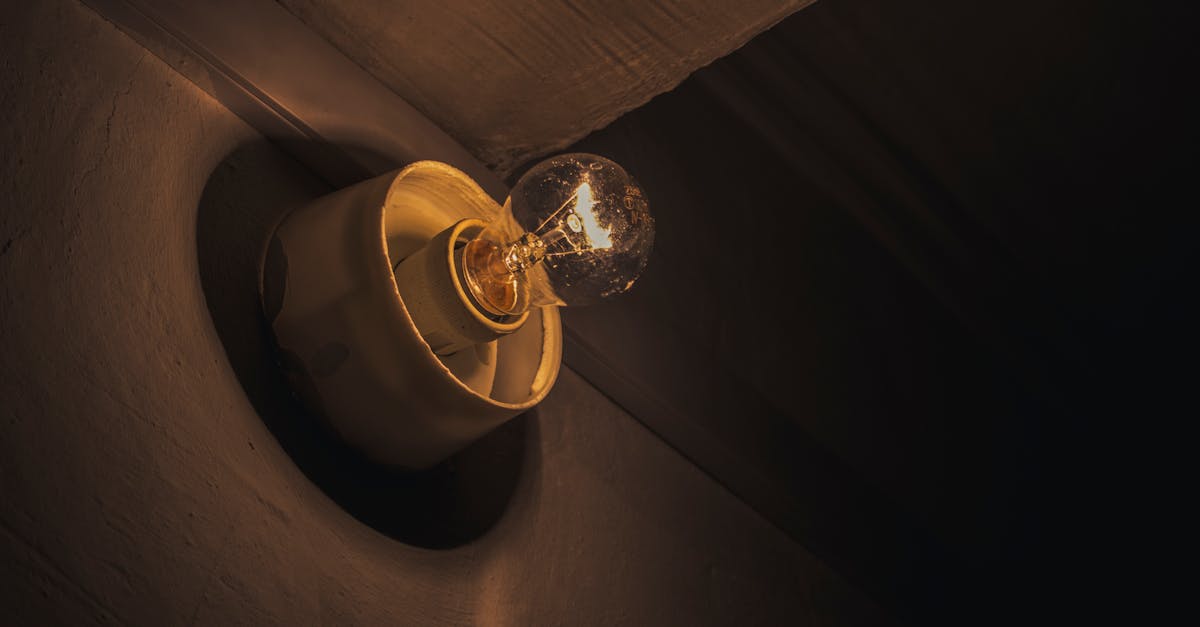
UVB lighting is how your bearded dragon produces vitamin D3, which is essential for calcium metabolism. Without it, bones soften, limbs drag, and the jaw becomes rubbery—classic signs of metabolic bone disease.
Select a UVB-B bulb (280–320 nm wavelength) with appropriate UVI output for bearded dragons. ReptiSun 10.0 and Arcadia D3 Dragon are widely used and recognized by exotic veterinarians as reliable options. Avoid cheap “full-spectrum” LEDs marketed for reptiles; many fail to emit adequate UVB-B despite the label.
Mount the UVB fixture 8–12 inches above the basking spot, positioned above unobstructed screen mesh—not behind or above glass, which blocks UVB. If your enclosure has a glass top, you’ll need to create an opening or use a clip-on fixture that sits inside the tank (with proper ventilation).
Plug the UVB fixture into a timer set for 10–12 hours daily. This photoperiod mimics natural daylight cycles. Some keepers adjust seasonally—10 hours in winter, 12 in summer—to support natural brumation cues, though this is optional for pet dragons.
UVB bulbs degrade over time. Even if the bulb still emits visible light, UVB output declines with age. Most manufacturers recommend replacement every 6–12 months, though you should follow the specific guidance for your bulb brand. Mark your calendar and replace bulbs on schedule. A lit bulb with degraded UVB output is worse than no bulb because you won’t notice the problem until your dragon shows symptoms.
Step 3: Create a thermal gradient
Your enclosure should have a warm side (basking area) and a cool side (retreat area). This gradient lets your dragon thermoregulate by moving between zones, which is how they manage digestion, immune function, and stress.
The basking spot under your heat lamp should hold steady at 95–110°F. The cool side should be 75–85°F with no direct heat source—just ambient room temperature or passive airflow. At night, the entire enclosure can drop to 65–75°F. Brief dips below 65°F are tolerated, but sustained cold stresses digestion and immune response. If your home runs cold at night, add a low-wattage ceramic heat emitter on a separate thermostat to maintain a safe ambient temperature without light.
Check temperatures daily for the first week, then weekly once the setup stabilizes. Digital thermometers are more accurate than stick-on analog models.
Troubleshooting common issues

The basking spot is too hot (above 110°F):
Lower the wattage of your heat bulb or raise the fixture a few inches. If you’re using a thermostat and it’s still overshooting, check that the probe is touching the basking surface—not suspended in air, where it reads cooler than the actual surface.
The basking spot won’t reach 95°F:
Increase wattage or lower the fixture. In very large enclosures or cold rooms, you may need a 100W+ bulb. Confirm your thermostat isn’t malfunctioning by testing the bulb without it briefly (supervised only).
The dragon won’t bask or stays lethargic even under the lamp:
Verify UVB is present and at the correct distance. Lethargy under proper heat often indicates missing or insufficient UVB, illness, or other metabolic issues. If temps and UVB check out, consult an exotic vet—this can signal parasites, impaction, or metabolic disturbances.
UVB bulb is new but the dragon developed soft jaw or limb dragging:
Cheap or mislabeled bulbs sometimes fail to emit adequate UVB-B despite packaging claims. Replace with a vetted brand (ReptiSun, Arcadia) and verify the fixture isn’t behind glass or dense mesh. Metabolic bone disease progresses quickly; see an exotic vet immediately if you notice these symptoms.
When to see an exotic vet
Exotic veterinarians—not general-practice vets—understand reptile thermoregulation and UVB needs. Seek care if you observe:
- Dragging hind limbs, soft or rubbery jaw, or visible bone deformities (metabolic bone disease signs)
- Refusal to bask or extreme lethargy despite correct temps and UVB
- Swelling, discoloration, or scabs on the basking area (thermal burns or infection)
- Muscle twitching, rigidity, or paradoxical hyperactivity (calcium metabolism imbalance)
- No defecation for more than three days in a properly heated setup (possible impaction)
Confirm the vet has hands-on experience with bearded dragons before booking. Reptile medicine is a specialty, and setup-related health issues require someone who knows the biology.
FAQ
Can I use a regular incandescent bulb for basking heat?
Standard household bulbs can work for daytime heat, but they lack the reflector design and thermostat compatibility of purpose-built reptile fixtures. Unregulated incandescent bulbs risk uneven heating and burns. If you’re using a household bulb, pair it with a thermostat and a ceramic-rated fixture.
Do I need both a heat lamp and UVB, or can one bulb do both?
They’re separate systems. Heat lamps produce warmth for thermoregulation. UVB bulbs produce the 280–320 nm wavelength your dragon needs to synthesize vitamin D3. “Mercury vapor” combo bulbs exist and claim to do both, but they’re harder to control and often provide either too much heat or insufficient UVB at the distances needed. Most exotic veterinarians recommend separate fixtures for precision and safety.
How do I know if my UVB bulb is still working?
UVB output degrades invisibly—your bulb can look bright and still emit insufficient UVB. Replace bulbs according to the manufacturer’s timeline, even if they’re still lit. Some keepers use a UVI meter (Solarmeter 6.5) to measure output directly, but scheduled replacement is simpler and reliable.
What’s the right nighttime temperature?
65–75°F is safe for most adult bearded dragons. Juveniles and dragons recovering from illness may need slightly warmer nights (70–75°F). If your home drops below 65°F, add a ceramic heat emitter (no light) on a thermostat to maintain ambient warmth without disrupting the photoperiod.
Setting up heating and UVB correctly is the foundation of bearded dragon care. Get the temps stable, verify your UVB output, and replace bulbs on schedule. For more on fine-tuning your enclosure’s temperature gradient, see . For deeper detail on bulb types and photoperiod adjustments, check .
Sources:
Temperature and UVB guidance in this article aligns with exotic animal care standards referenced by UC Davis School of Veterinary Medicine and the American Veterinary Medical Association.