
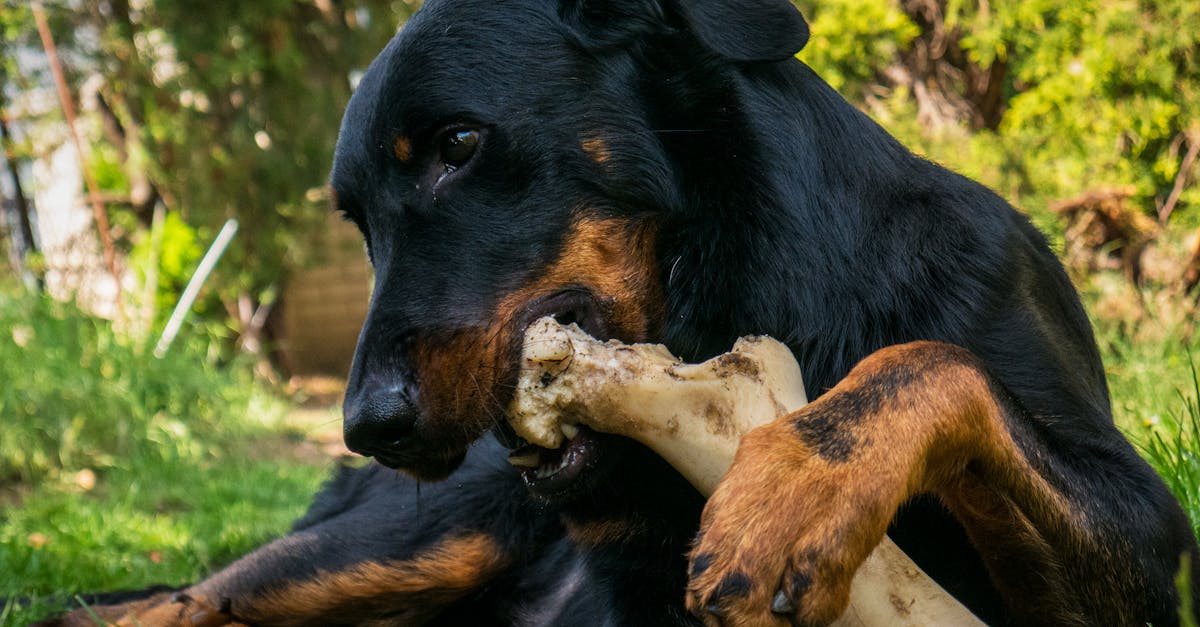
A dog that destroys a toy in under an hour isn’t just costing you money—they’re at higher risk of swallowing chunks that cause intestinal blockage. Emergency surgery for a gastrointestinal foreign body obstruction averages $1,500 to $3,000, and the Merck Veterinary Manual notes these obstructions require immediate intervention to prevent tissue necrosis. The best dog toys for aggressive chewers aren’t about finding something truly indestructible (that doesn’t exist). They’re about choosing materials that last longer and fail more safely when they inevitably do break down.
Verdict: Natural rubber toys like Kong Extreme offer the best combination of durability and safety for aggressive chewers because rubber is partially digestible if swallowed. No toy is truly indestructible—supervise all chewing and replace toys the moment they show chunks missing, seams opening, or material peeling.
Choosing by dog size and chewing intensity
Not all aggressive chewers need the same toy. A 20-pound terrier and a 70-pound Labrador destroy things differently. Use this matrix to match your dog’s size and chewing behavior to the right material tier:
| Dog weight | Light chewing (casual, sporadic) | Moderate chewing (daily, focused) | Aggressive chewing (destructive, determined) |
|---|---|---|---|
| Small (under 25 lbs) | Standard rubber Kong | Kong Extreme Small | Nylabone Power Chew Petite (supervised) |
| Medium (25-50 lbs) | Kong Classic | Kong Extreme Medium | Nylabone Power Chew or Kong Extreme |
| Large (50+ lbs) | Kong Classic Large | Kong Extreme Large/XL | Kong Extreme XL + daily inspection |
Sizing rule: The toy must be larger than your dog’s throat opening. If it fits entirely in the mouth and you can’t fit two fingers around it, it’s a choking hazard regardless of durability.
What makes a toy safe for aggressive chewers
| Consideration | Recommendation |
|---|---|
| Safest material | Natural rubber (Kong Extreme Black line) |
| Most durable | Reinforced nylon (higher impaction risk if swallowed) |
| Requires constant supervision | Rope toys (frayed fibers cause blockages) |
| Avoid entirely | Hard plastic/resin (fractures teeth) |
| Replacement rule | As soon as chunks are missing or seams open—not when fully destroyed |
The material science behind durability
Natural rubber tops the safety list not because it’s indestructible—it’s not—but because if an aggressive chewer swallows a piece, it’s partially digestible and less likely to cause a full intestinal blockage than nylon or plastic. The ASPCA Animal Poison Control ranks rubber as the safest material for unsupervised chewers, though supervision is still required.
Durable dog toys for heavy chewers often use reinforced nylon because it resists shredding longer than rubber. The tradeoff: nylon carries higher impaction risk. If your dog is a known gulper—swallows chunks without chewing—skip nylon entirely. The ASPCA receives regular calls for nylon toy ingestion requiring surgery.
Rope toys seem harmless but frayed fibers cause linear foreign body blockages—one of the more dangerous types of intestinal obstruction. Never leave aggressive chewers alone with rope toys, and replace them at the first sign of fraying.
Hard plastic and resin toys last the longest, which is exactly the problem. They encourage prolonged chewing on surfaces harder than tooth enamel. The American Veterinary Dental Association cautions against toys harder than a fingernail—if you can’t indent it with your thumbnail, it’s too hard. Older dogs and those with existing dental wear are especially vulnerable to molar fractures.
What the “indestructible” label actually means
No toy is truly indestructible, despite what the marketing copy promises. What companies mean is “highly durable under typical use.” An aggressive chewer is not typical use. Even the toughest rubber Kong will eventually split, peel, or develop weak seams after weeks of determined chewing. Indestructible dog toys are a useful search term but a misleading product claim—don’t let that label replace supervision or delay replacement.
The better question: how long does it last before becoming unsafe, not before being destroyed? A toy with a chunk missing is unsafe even if 90% of it is still intact.
Product recommendations by material tier

Tier 1: Natural rubber (safest failure mode)
Kong Extreme (Black line) — $12–$18
The black Kong line uses thicker natural rubber than the red “classic” line. Aggressive chewers typically get 2–6 weeks out of one before seams start opening or the rubber begins flaking. Once that happens, remove it immediately. If your dog swallows a small piece, the digestibility reduces (but doesn’t eliminate) blockage risk.
Cost analysis: At $15 average price and 4-week typical lifespan, that’s $3.75 per week—higher than nylon, but the safety ceiling is higher too.
Best for: Dogs left alone with toys; owners who prioritize safety over longest possible lifespan.
Tier 2: Reinforced nylon (longer-lasting, higher risk)
Nylabone Power Chew — $8–$15
Nylon with added minerals resists shredding better than rubber. Aggressive chewers get 4–12 weeks, depending on intensity. The material splinters rather than tears, which changes the ingestion risk profile—small shards can accumulate and cause impaction even if no single piece looks large enough to worry about.
Cost analysis: At $12 average price and 8-week typical lifespan, that’s $1.50 per week—the most economical option if your dog chews safely.
Best for: Supervised play with dogs who chew deliberately rather than gulp. If your dog has ever swallowed a toy chunk, skip this tier.
Tier 3: Rope and braided cotton (supervision required)
West Paw Zogoflex Bumi — $10–$20
Braided and rope toys last 2–8 weeks depending on weave tightness. The failure mode is the issue: frayed fibers unravel and dogs swallow them, creating a linear foreign body—where string material bunches in the intestines and causes tissue damage as it tries to pass. Never leave an aggressive chewer alone with rope toys, and discard them the moment you see loose threads.
Cost analysis: At $15 average price and 4-week supervised lifespan, that’s $3.75 per week—same as Kong Extreme but requires constant supervision.
Best for: Owners who can monitor every minute of play and are comfortable discarding toys early.
What not to buy
Hard nylon bones (Nylabone Durable Chews, Barkbone, similar)
These last months, which sounds great until your dog fractures a molar. Veterinary dentists see this regularly—the dog was fine until suddenly they’re refusing hard kible and drooling, and the X-ray shows a cracked tooth that requires extraction. Cornell University College of Veterinary Medicine specifically warns against toys that don’t yield under thumbnail pressure. Aggressive chewers need durable toys, not unyielding ones.
Who needs aggressive-chewer toys
If your dog can dismantle a standard plush toy in under 20 minutes, you’re in aggressive-chewer territory. This isn’t breed-specific—individual behavior and training matter more than breed—but it’s common in high-energy dogs, young adults, and dogs with under-stimulated daily routines.
A tired dog chews less destructively, so pairing durable toys with adequate exercise (a well-fitted best harness for dogs that pull, if leash walks are part of that exercise) reduces furniture destruction and extends toy life.
Who can skip these products

If your dog carries toys around, chews casually for a few minutes, and leaves them intact, standard rubber or fabric toys are fine and much cheaper. Aggressive-chewer toys are overkill for light chewers and the extra hardness adds unnecessary dental risk.
Cost comparison and replacement schedule
| Toy | Price | Typical lifespan (aggressive chewer) | Cost per week | Notes |
|---|---|---|---|---|
| Kong Extreme | $15 (avg) | 4 weeks | $3.75/week | Safest material if swallowed |
| Nylabone Power Chew | $12 (avg) | 8 weeks | $1.50/week | Most economical; supervision required |
| West Paw Bumi | $15 (avg) | 4 weeks | $3.75/week | Constant supervision mandatory |
For context: one emergency blockage surgery costs $1,500–$3,000. Replacing a $15 toy every month costs $180 per year—a fraction of one surgical intervention.
When to see a vet immediately
Seek emergency veterinary care if you observe any of these signs during or after your dog has chewed a toy:
Immediate symptoms (during or right after chewing):
- Bleeding from mouth or gums
- Difficulty chewing; reluctance to use back teeth or eat hard kibble
- Excessive drooling (possible mouth injury or foreign body in throat)
- Gagging, choking, or pawing at mouth
Delayed symptoms (hours to days after chewing):
- Vomiting or repeated retching
- Loss of appetite lasting more than 24 hours
- Lethargy or acting “off”
- Abdominal pain—whining when belly is touched, hunched posture, reluctance to move
- Straining to defecate with no stool produced
- Constipation or diarrhea following toy damage
These are signs of possible gastrointestinal obstruction or tooth fracture. Don’t wait to see if it passes—intestinal blockages worsen quickly, and the American Veterinary Medical Association emphasizes that early intervention significantly improves outcomes.
FAQ
What is the most indestructible dog toy?
No toy is truly indestructible. The most durable options for aggressive chewers are Kong Extreme (natural rubber) and reinforced nylon toys like Nylabone Power Chew, but both will eventually break down. The key is replacing them when they show damage, not when they’re fully destroyed.
Are nylon or rubber toys safer for heavy chewers?
Rubber is safer if swallowed because it’s partially digestible. Nylon is more durable but carries higher impaction risk if your dog gulps chunks. For unsupervised chewers, rubber wins. For supervised play with dogs who chew slowly, nylon works if you inspect daily.
How often should I replace chew toys?
Replace any toy the moment you see chunks missing, seams opening, or material peeling—even if the toy looks mostly intact. For aggressive chewers, inspect toys daily. Typical lifespan before reaching unsafe condition: 2–12 weeks depending on material and chewing intensity.
Can rope toys cause blockages even if my dog doesn’t swallow big pieces?
Yes. Frayed rope fibers create linear foreign bodies—the strands bunch up in the intestines and cause tissue damage as they try to pass. Even small amounts of frayed fiber are dangerous. Rope toys require constant supervision and immediate replacement at first fraying.
How do I know if my dog is an aggressive chewer?
If your dog destroys a standard plush toy in under 20 minutes, goes through “durable” toys in days rather than weeks, or has a history of swallowing toy pieces, they’re an aggressive chewer. Match toy durability to observed behavior, not breed stereotypes.
Affiliate disclosure: This article may contain affiliate links. If you purchase through our links, we may earn a commission at no extra cost to you.
The best toy for an aggressive chewer is the one you’re willing to replace often and supervise closely. No marketing claim replaces vigilance—check toys daily, discard them early, and if your dog swallows a visible chunk of any material, call your vet before symptoms start. The $15 toy you throw out after three weeks is doing its job if your dog never needs that $3,000 surgery.