

Most articles jump straight to bowl brands. But if your dog refuses water, the bowl material is only one variable—and often not the right one. Before you buy anything, identify why your dog won’t drink: Is it plastic odor? Whisker discomfort? Temperature preference? A noisy fountain they hate? Or is it nausea masking as pickiness, which means the problem isn’t the bowl at all—it’s medical.
This guide walks through the decision tree first, then matches bowl types to specific refusal patterns. Because chronic low water intake isn’t cosmetic. It increases the risk of urinary tract infections, kidney stress, and heat intolerance—especially in senior dogs and brachycephalic breeds like Bulldogs and Pugs.
Quick verdict:
- Stainless steel bowls are the best starting point for most picky drinkers—neutral taste, no odor absorption, works for whisker-sensitive dogs when wide and shallow
- Ceramic bowls are best for dogs sensitive to water temperature or who prefer cooler, slower-warming water
- Automatic fountains are best for dogs who drink significantly more from running water, but intimidate or annoy some dogs with noise
- Shallow, wide bowls are best for whisker-fatigued or anxious dogs who avoid deep, narrow designs
At a glance
| Bowl Type | Price Range | Best For | Key Feature | Biggest Weakness |
|---|---|---|---|---|
| Stainless steel | $10–$30 | Default first choice; plastic-averse dogs | Odor-free, neutral taste, dishwasher-safe | Can feel cold in winter; rare dogs dislike metallic taste |
| Ceramic | $15–$40 | Temperature-sensitive dogs | Retains cool water longer; smooth, non-porous | Fragile; chips harbor bacteria; heavy |
| Automatic fountain | $25–$100+ | Motion-preference dogs; multi-dog homes | Running water encourages drinking | Requires power, filter changes, cleaning; loud for some dogs |
| Shallow/wide bowl | $12–$35 | Whisker-sensitive or anxious dogs | Reduces whisker contact; larger surface area | Takes up more floor space; may splash |
Stainless steel bowls — best for most picky drinkers
If your dog currently drinks from plastic, start here. Plastic absorbs odors over time—even after washing—and many dogs refuse it outright. Stainless steel is odor-neutral, doesn’t leach taste, and dishwasher-safe. It’s the diagnostic baseline: if your dog still won’t drink from stainless steel, you know the issue isn’t plastic aversion.
Strengths:
- No odor or taste contamination
- Durable, won’t chip or crack
- Affordable and widely available
- Works well in shallow, wide designs for whisker-sensitive dogs
Weaknesses:
- Can feel cold to the lips in winter (minor complaint, but some dogs react)
- A very small subset of dogs dislike the faint metallic taste, though this is rare
Best for: Dogs currently drinking from plastic bowls, whisker-sensitive dogs (choose a wide, shallow stainless option), general first-attempt for any picky drinker.
Ceramic bowls — best for temperature-sensitive dogs
Ceramic retains water temperature better than stainless steel or plastic. If your dog drinks more in summer or seeks out cooler water sources (like the toilet—messy, but informative), ceramic keeps water cool longer. The smooth, glazed surface is also non-porous, so it resists bacteria if unchipped.
Strengths:
- Retains cool water temperature for hours
- Smooth, easy-to-clean surface when intact
- Heavier base reduces tipping and sliding
Weaknesses:
- Fragile—chips and cracks harbor bacteria and make the bowl unsafe
- Heavier and harder to move for refills
- More expensive than stainless steel
Best for: Dogs who drink more when water is cold, households that prioritize aesthetics alongside function, dogs in warm climates.
Automatic fountains — best for motion-preference dogs
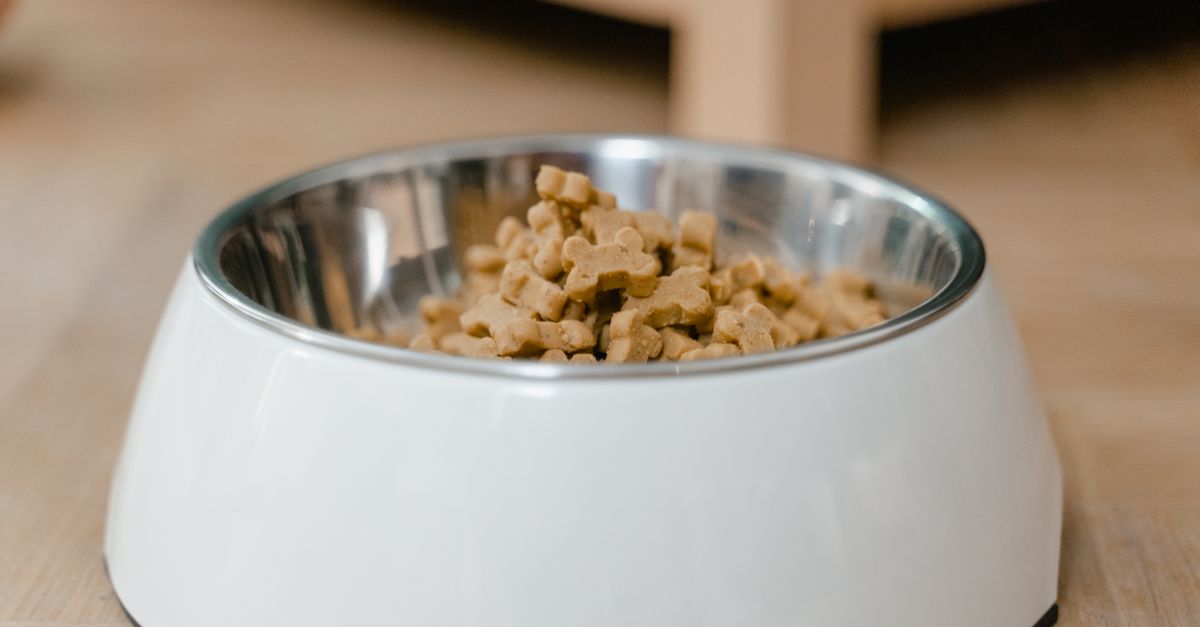
Some dogs drink significantly more from running water. If your dog laps from faucets, hoses, or the toilet bowl (where water moves slightly), a fountain can be transformative. The motion and sound trigger natural drinking behavior in certain dogs, and the filtration keeps water fresher longer in multi-dog homes.
Strengths:
- Encourages drinking through motion and sound
- Filters debris and hair
- Larger water capacity reduces refill frequency
Weaknesses:
- Requires electricity, regular filter replacement, and disassembly for cleaning (weekly to biweekly)
- Pump noise intimidates some dogs or annoys owners
- Higher upfront cost ($25–$100+) and ongoing filter expense
- Not every dog responds—some ignore or fear the movement
Best for: Dogs who drink from running taps, multi-dog households, owners willing to maintain the unit. Test with a cheaper model first; if your dog loves it, upgrade.
Shallow, wide bowls — best for whisker-sensitive dogs
Deep, narrow bowls force a dog’s whiskers into the water with every lap. For whisker-sensitive dogs, this is uncomfortable enough to reduce drinking. A shallow, wide bowl lets the dog drink without whisker contact.
Strengths:
- Eliminates whisker fatigue
- Works across materials (stainless, ceramic, plastic)
- Larger water surface area appeals to some dogs
Weaknesses:
- Takes up more floor space
- More prone to splashing during enthusiastic drinking
Best for: Small breeds with prominent whiskers, anxious dogs who approach the bowl hesitantly, any dog who drinks more when water is in a low, wide dish (like a cake pan—if you’ve tested this and it worked, that’s your answer).
How to get your dog to drink more water (beyond the bowl)
The bowl is one lever. Dog hydration is a system. According to the American Veterinary Medical Association, dogs need roughly 1 ounce of water per pound of body weight daily—more in hot weather, after exercise, or during illness. Here’s how to hit that target when your dog won’t cooperate:
Add water through food. Wet food or low-sodium broth mixed into kibble adds significant moisture to meals. Use bone broth with zero added sodium, not human stock cubes.
Separate water from food. Some dogs dislike drinking near their food bowl. Place water in a different room or multiple rooms—access matters.
Offer temperature options. Some dogs prefer room-temperature water; others want it cold. Offer both and see which disappears faster.
Time it strategically. Water intake spikes naturally after meals, play, and exercise. Refresh the bowl immediately after these windows.
Test placement. Quiet corners work for anxious dogs; high-traffic areas work for dogs who drink opportunistically. Move the bowl and observe.
These strategies map directly to how to get dog to drink water—the bowl matters, but behavior, environment, and food moisture often matter more. For picky eaters who are also picky drinkers, the refusal patterns often overlap—check How to Feed a Picky Eater Dog: A Vet-First Approach for strategies that address both.
When to see a vet (this is not pickiness)

Not all drinking refusal is behavioral. American Animal Hospital Association clinical guidelines identify dehydration as a medical concern in dogs, and early refusal is often the first sign. Seek immediate veterinary evaluation if:
- Sudden drop in water intake: Your dog goes from normal drinking to refusing water suddenly
- Signs of dehydration: Dry or sticky gums, skin tenting (pinch the skin; it doesn’t spring back), lethargy, dark or concentrated urine, sunken eyes
- Accompanying symptoms: Vomiting, diarrhea, loss of appetite, weakness, excessive drooling
- Age or health changes: Senior dogs (7+), dogs on new medications, or dogs recovering from illness
Why this matters: Dehydration escalates fast. Prolonged water refusal can lead to urinary tract infections or kidney stress. Nausea, dental pain, metabolic disease (diabetes, kidney disease), and urinary infections all suppress drinking. If medical, the bowl doesn’t matter—treatment does.
Don’t assume pickiness. A vet can rule out serious causes in minutes with a physical exam and urinalysis.
Common myths, corrected
“Filtered water is essential for dogs.” No evidence supports this. Municipal tap water is safe for dogs. Filtered is a preference, not a health necessity.
“If my dog won’t drink from a bowl, that’s just their personality.” Sometimes true; often a red flag for nausea, pain, or early disease. Worth investigating, especially in seniors.
“A $100 smart fountain is always better than a $20 bowl.” Not always. Some dogs ignore fountains; others drink more from plain stainless steel. Test cheap options first.
Final recommendations
Start with a wide, shallow stainless steel bowl. It solves the two most common issues: plastic aversion and whisker fatigue. If your dog still refuses, test one variable at a time—ceramic for temperature preference, a fountain for motion preference. Don’t buy multiple expensive options blindly.
If bowl changes don’t work within a week, focus on hydration through food (wet food, broth) and placement (multiple bowls, away from food). And if drinking drops suddenly or dehydration signs appear, skip the bowl experiments and call your vet.