
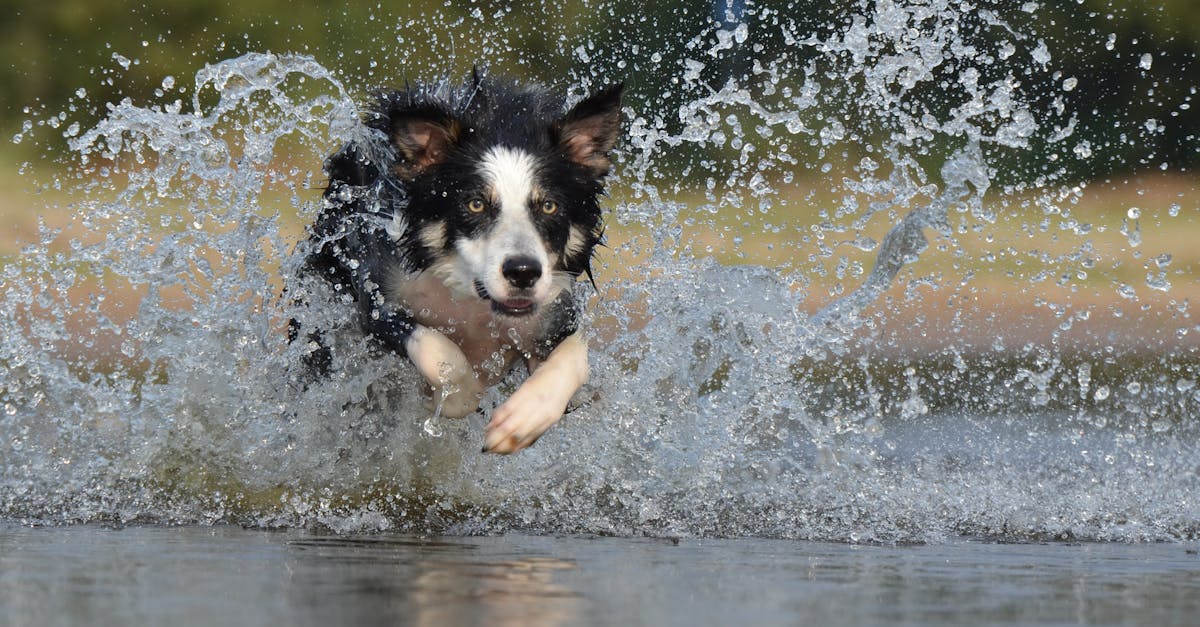
The most important thing to understand about high-protein dog food is this: your dog’s actual activity level determines what they need, not marketing claims or the word “active” on a bag. A dog doing casual daily walks doesn’t need the same protein content as a herding dog working sheep four hours a day, and feeding the wrong level wastes money or underfeeds working animals.
Quick Activity-to-Protein Framework
| Activity Level | Daily Exercise | Sport & Training | Working Dogs |
|---|---|---|---|
| Workload | 1–2 hours walking, play, park time | Agility, dock diving, regular runs, training classes | Herding, service work, field retrieving, sledding |
| Protein target | 22–24% | 24–26% | 26–30% |
| AAFCO standard | Adult maintenance | Performance formula | Performance formula |
| Fat range | 12–15% | 14–18% | 18–22% |
| Key consideration | Basic nutrient balance | Sustained energy + joint support | High digestibility + complete amino acids |
This framework is a starting point, not a prescription. Individual dogs vary—some thrive at the lower end of their range, others need the higher end. Body condition and energy level are your real guides, not the percentage on the bag.
The Kidney Disease Myth — Debunked
Before we go further: you’ve probably heard that high-protein diets damage dogs’ kidneys. This claim has no evidence behind it in healthy dogs. Current nutritional guidelines, including those from AAFCO (Association of American Feed Control Officials), show that adequate protein does not cause kidney disease in dogs with normal kidney function. The confusion comes from therapeutic diets—dogs with diagnosed kidney disease need restricted protein as a medical treatment, but that’s a veterinary decision for a specific condition, not a prevention strategy for healthy active dogs.
I’ve fostered more than forty dogs over six years, including working breeds in training and senior athletes. I’ve never seen kidney issues from appropriate high-protein feeding in a healthy dog. What I have seen is underfed working dogs losing muscle and energy on generic maintenance formulas.
What “High-Protein” Actually Means
The protein percentage on a dog food label is incomplete information. Three things matter more than the number alone:
1. Digestibility: A food with 25% protein at 90% digestibility delivers more usable amino acids than a 32% protein food at 70% digestibility. Most premium foods don’t publish digestibility data, but named meat sources (chicken, beef, fish) in the first three ingredients generally mean higher digestibility than meals or by-products.
2. Amino acid profile: Protein from chicken, beef, salmon, and turkey contains complete amino acid profiles. Plant proteins (peas, lentils, soy) often lack one or more essential amino acids. For working dogs especially, animal protein sources matter.
3. Total caloric adequacy: A dog fed below their caloric needs will burn protein for energy instead of using it for muscle repair and synthesis. High-protein food doesn’t build muscle if total calories are too low—your active dog needs both.
Matching Protein to Work Intensity
This is where most articles get it wrong. “Active” covers everything from a daily neighborhood walk to eight-hour days moving livestock. Here’s what I’ve seen work in practice:
Daily Exercise Dogs (22-24% protein)
Your dog gets 1-2 hours of walking, playing fetch, or park time. They’re more active than a couch dog but not training for anything specific. These dogs do fine on quality adult maintenance formulas meeting AAFCO standards at 22-24% protein. I fostered a young Lab mix who ran with me daily—22% from a chicken-first kibble kept him lean and energetic without overfeeding.
Look for: Named meat first ingredient, fat around 12-15%, total calories appropriate to body weight.
Sport and Training Dogs (24-26% protein)
Agility dogs, dogs in regular obedience training, dogs doing serious daily runs or hikes. Elevated amino acid turnover from consistent muscle work means these dogs benefit from AAFCO’s performance formula standard (22% minimum, but most quality performance foods sit at 24-26%).
Look for: AAFCO performance statement on the label, digestible carbohydrates for sustained energy, omega fatty acids for joint support.
Working Dogs (26-30% protein)
Herding dogs, service dogs in active duty, field retrievers during hunting season, sled dogs. These animals are athletes. They deplete muscle glycogen fast and need elevated protein for repair and recovery. According to the American College of Veterinary Nutrition, working dogs have genuinely different nutritional needs than even very active pet dogs.
One foster I had was a young border collie being trained for stock work. On a 23% maintenance food, she was ribby and low-energy by day three of intensive training. Switching to a 28% sport formula (with increased calories overall) brought her back to proper condition within two weeks.
Look for: 26-30% protein, 18-22% fat, high digestibility, formulated for “performance” or “sporting dogs.”
Best Food for Working Dogs: What Actually Matters

Marketing loves the phrase “best food for working dogs,” but the best food is the one that matches workload, not the one with the highest protein number. A sled dog running the Iditarod needs different feeding than a service dog doing mobility assistance work, even though both are “working.”
Herding and field dogs (border collies, pointers, retrievers in training): 26-28% protein, moderate-to-high fat (16-20%), fed multiple smaller meals to avoid bloat during work. These dogs burn through calories and need sustained energy.
Service and assistance dogs (mobility support, guide work): 24-26% protein is often adequate because the work is lower-intensity but constant. Joint support (glucosamine, omega-3s) becomes more important than ultra-high protein.
Sled and endurance athletes: 28-30% protein, very high fat (20-25%), purpose-built performance formulas. These are the true extreme athletes.
Working-dog nutrition shows significant individual variation. Some dogs thrive on the lower end of these ranges, others need the higher end. This is why working with your vet and monitoring body condition is essential.
What to Look for on the Label
Protein source: First ingredient should be a named meat (chicken, beef, turkey, salmon), not “meat meal” or “poultry by-product.” The more specific, the better.
AAFCO statement: Look for “formulated to meet AAFCO Dog Food Nutrient Profiles for all life stages” or “for adult maintenance.” Performance/working formulas will often specify “growth and reproduction” or “all life stages.”
Guaranteed analysis: Crude protein percentage is the minimum—check crude fat too (active dogs need adequate fat for energy). Fiber should be moderate (3-5% for most working dogs).
Ingredient quality: You don’t need exotic meats or grain-free formulas (unless your dog has a diagnosed allergy). You do need digestible ingredients and minimal fillers.
When Higher Protein Isn’t the Answer
Some dogs don’t need or shouldn’t have high-protein food:
Puppies of large breeds: Giant-breed puppies need controlled protein and calories to prevent too-fast growth, which contributes to orthopedic problems. Follow large-breed puppy formulas, not adult performance foods.
Dogs with kidney disease: Diagnosed kidney disease requires therapeutic low-protein diets (14-18%) under veterinary supervision. Do not switch a dog with kidney issues to high-protein food.
Dogs with certain urinary issues: Struvite or oxalate crystal formers may need protein modulation. Ask your vet first.
Sedentary dogs: A couch dog on a 30% protein sport formula is just eating expensive food they don’t need. Match the food to actual work.
Transitioning to a New Food

If you’re switching to a higher-protein formula, transition gradually over 7-10 days to avoid digestive upset. Mix increasing amounts of the new food with decreasing amounts of the old food.
Some dogs develop soft stool or gas when switching to very high-protein foods—this is usually temporary, but if it persists beyond two weeks, the food may not suit that individual dog. I’ve fostered picky eaters who suddenly became enthusiastic about meals on high-protein formulas (more palatability from meat content), but I’ve also seen a few dogs who just didn’t tolerate 30%+ well. Watch your dog, not the marketing.
When to See a Vet
- Before switching if your dog has a history of: kidney disease, liver disease, urinary crystals, or chronic digestive issues. Get bloodwork and clearance first.
- After switching if you notice: vomiting, diarrhea lasting more than 48 hours, excessive thirst, lethargy, or any other concerning changes.
- For working or sport dogs: Annual bloodwork (kidney and liver values especially) is smart if you’re feeding consistently at 28%+ protein. This catches any issues early.
- Senior active dogs: Older dogs often need more protein to counteract age-related muscle loss, but kidney function declines with age too. This requires individualized guidance from your vet, not generic feeding rules.
The Bottom Line
The best high-protein dog food for active dogs is the one that matches your dog’s actual work intensity, uses high-quality protein sources, and keeps your dog at a healthy body condition. A 24% food from digestible ingredients will outperform a 32% food with low-quality protein and fillers.
Start with your dog’s real activity level, choose a food formulated for that level (the AAFCO statement on the bag is your guide), and monitor body condition and energy over four to six weeks. If your dog is maintaining muscle, has good energy, and a healthy coat, you’ve found the right match—even if it’s not the highest protein percentage on the shelf.
For budget-conscious feeding, see best-budget-dog-food-brands . For dogs who are active and picky, how-to-feed-a-picky-eater-dog has strategies that overlap well with high-protein foods (which tend to be more palatable).