
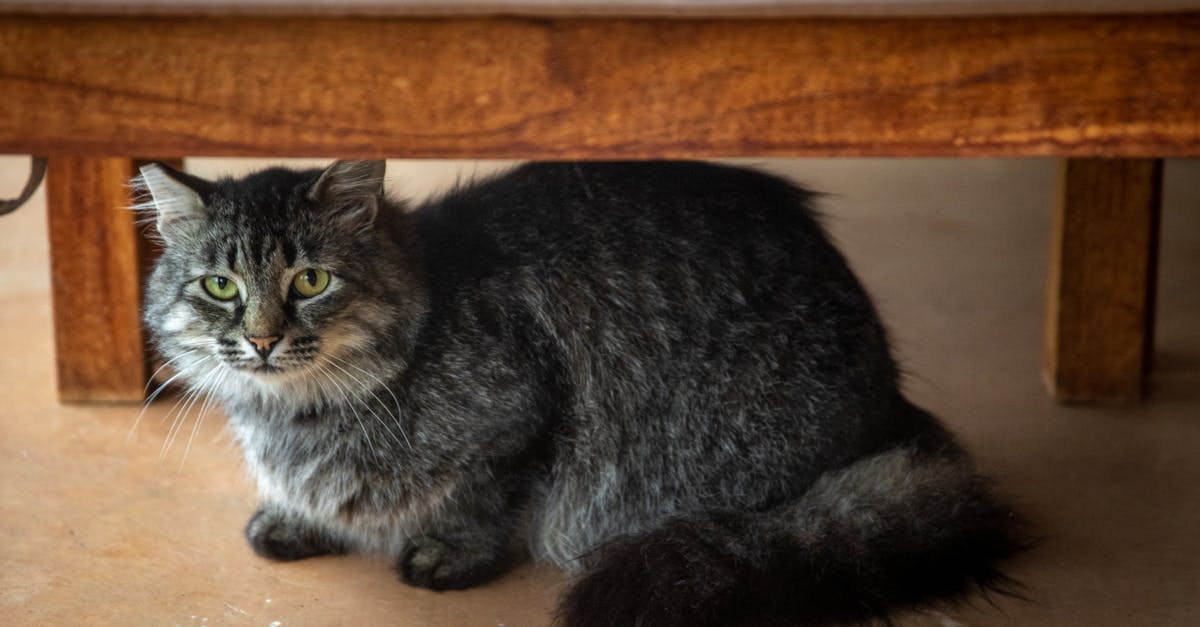
Your cat suddenly spends 18 hours a day under the bed. She’s eating half as much. She hisses when you approach. To you, she might seem broken. To her, she’s trying to survive something that feels unsafe.
Anxious behavior in cats isn’t a personality flaw or a discipline problem. It’s communication. Cats can’t tell you they’re scared or overwhelmed, so they show you with their bodies and their choices. The cat who won’t leave the bedroom, the cat who grooms herself bald, the cat who pees on your bed at night—they’re all saying the same thing: something in their environment feels wrong, and they don’t know how to fix it.
This guide walks through how to recognize cat stress indicators, what those signs mean, and the vet-backed calming techniques that actually address the root cause—not just the symptoms.
How Cats Signal Distress
Unlike dogs, stressed cats often withdraw rather than escalate. A dog might bark, pace, or destructively chew. A cat hides. She goes silent. She stops eating. By the time you notice the anxiety, it’s often been building for days or weeks.
The ASPCA identifies these behavioral and physical signs as reliable indicators that a cat is experiencing stress or anxiety:
Behavioral cat stress indicators:
- Hiding for extended periods (more than their baseline—every cat hides sometimes, but anxious cats disappear for hours or days)
- Reduced appetite or complete refusal to eat
- Excessive vocalization (meowing, yowling at odd times) or going completely silent when they used to be chatty
- Aggression when touched or approached—often misdirected stress, not true aggression
- Over-grooming to the point of bald patches or scabs
- Destructive behavior like scratching furniture excessively or knocking things off surfaces more than usual
- Litter box avoidance—peeing or pooping outside the box even when the litter is clean
- Lethargy and loss of interest in play
Physical signs:
- Dilated pupils that stay wide even in bright light
- Ears flattened backward or pinned to the sides
- Fur standing on end (piloerection)
- Trembling or shaking
- Excessive shedding during non-seasonal times
I’ve fostered cats who showed every one of these signs. One cat, a seven-year-old domestic shorthair who’d just lost her owner, spent the first two weeks under my guest bed. She only came out to use the litter box at 3 a.m. when the house was silent. Her pupils stayed dilated. She barely ate. To someone unfamiliar with cat body language, she might have seemed angry or defiant. She wasn’t. She was terrified and trying to stay invisible.
For a deeper dive into body language signals, see the internal guide on reading feline communication.
Acute Stress vs. Chronic Anxiety
Not all stress requires intervention. Cats experience normal, temporary stress all the time—vet visits, loud construction noise, a visiting toddler—and they recover on their own within hours or a day.
Normal acute stress looks like this:
- The cat is triggered by a specific, identifiable event
- She shows stress signs during the event but returns to baseline behavior within a few hours
- Appetite and litter box habits stay normal between events
- Her overall behavior remains predictable
Chronic anxiety looks like this:
- The cat is in a persistent state of vigilance even when there’s no obvious trigger
- Avoidance behaviors intensify over time (hiding more, interacting less)
- Physical symptoms emerge: weight loss, vomiting, diarrhea, or bald spots from overgrooming
- Litter box issues develop—inappropriate elimination is one of the most common signs of chronic stress
- Aggressive or fearful reactions escalate to minor stimuli (touching her back, walking past her)
The distinction matters because acute stress usually resolves with basic environmental support (a quiet room, familiar routine). Chronic anxiety requires structured intervention—and sometimes veterinary care.
Rule Out Medical Causes First
Before treating behavior as pure anxiety, rule out medical conditions that produce identical symptoms. What looks like stress is often a cat trying to tell you she’s in pain or sick.
According to the Merck Veterinary Manual, these conditions commonly mimic or trigger anxiety-like behavior in cats:
- Hyperthyroidism: Causes hyperactivity, vocalization, weight loss despite increased appetite, and irritability—often misread as stress
- Chronic pain (arthritis, dental disease): Leads to hiding, reduced activity, aggression when touched, litter box avoidance if it hurts to climb in
- Urinary tract infections or obstruction: Produces litter box avoidance, vocalization, and anxious pacing—medical emergencies, not behavioral issues
- Gastrointestinal disease: Triggers nausea-related avoidance of food areas and general withdrawal
- Cognitive dysfunction in senior cats: Causes disorientation, nighttime vocalization, and loss of litter box training
Your vet workup should include:
- Physical exam with palpation for pain, dental inspection, heart auscultation
- Bloodwork (complete blood count, chemistry panel, thyroid levels for cats over seven years)
- Urinalysis if litter box issues are present
- Blood pressure check in older cats
If your cat’s behavior changed suddenly—she was fine two weeks ago and now she’s hiding constantly—start with the vet, not with environmental changes. Behavioral interventions won’t work if an underlying medical condition is driving the anxiety. Once medical causes are ruled out or treated, you can proceed with confidence that you’re addressing true environmental or emotional anxiety.
How to Reduce Cat Anxiety: A Decision Tree

Most articles list calming techniques as a random menu. That’s not how veterinary behaviorists approach it. According to the American Veterinary Medical Association’s behavioral guidelines, effective anxiety management follows a hierarchy: environment and routine first, products second, medication third.
Priority 1: Environmental Management and Routine (Start Here)
These interventions cost little to nothing and address the root cause for most anxious cats. If your cat’s anxiety is driven by lack of control, overstimulation, or environmental unpredictability, this is where you’ll see the biggest improvement.
Create vertical escape routes and hiding zones: Cats feel safer when they can observe from height and retreat to enclosed spaces. Install wall-mounted shelves or a tall cat tree near a window. Provide at least two enclosed hiding spots—cardboard boxes work as well as expensive cat caves. The goal is to give your cat places to go when she feels overwhelmed, so she doesn’t have to hide under the bed or in the closet.
Ensure adequate litter box access: The rule is one box per cat, plus one extra. Place them in quiet, low-traffic areas away from food and water. Anxious cats often develop litter box aversion when they feel vulnerable using the box. If your cat is peeing outside the box, start here before assuming it’s behavioral spite—it’s usually anxiety or a medical issue.
Establish and protect daily routine: Feed at the same times every day. Anxious cats rely on predictability to feel safe. If your schedule is erratic—you come home at different times, you travel frequently, you rearrange furniture often—your cat has no framework for what to expect. That uncertainty compounds anxiety.
When you do need to make changes (moving furniture, introducing a new pet, changing work schedules), do it gradually over days or weeks. For careful introductions, consult resources on gradual cat-to-cat or cat-to-pet integration.
Reduce overstimulation: Some cats become anxious because they’re handled too much or in ways they don’t enjoy. If your cat’s tail starts twitching or her ears go back mid-petting, stop. Forcing interaction when a cat signals “no” escalates anxiety and often leads to defensive biting.
Instead, use interactive play—wand toys, feather chasers, laser pointers—to engage her in a way that feels safe and controlled. Fifteen minutes of play twice a day gives anxious cats an outlet and a predictable routine.
Provide environmental enrichment: Boredom and lack of mental stimulation can look like anxiety. Rotating toys, puzzle feeders, and window perches give indoor cats a sense of purpose and control. A cat who spends her day watching birds from a perch or working a treat-dispensing toy is less likely to spiral into vigilance-based anxiety. Indoor enrichment activities should rotate seasonally to maintain novelty.
Realistic timeline for environmental changes: Most cats show initial improvement within one to two weeks of consistent environmental modifications—you’ll notice she’s hiding less, eating more consistently, or initiating play. Full behavioral recovery typically takes four to twelve weeks, depending on severity and how long the anxiety has been building. If you see no improvement after four weeks, escalate to veterinary consultation.
Priority 2: Calming Products for Anxious Cats (After Environment Is Optimized)
Once you’ve addressed the environmental foundation, products can support ongoing anxiety management. They are not primary interventions, and they work best when layered on top of routine and enrichment.
Feliway (synthetic feline facial pheromone): This is the most evidence-backed calming product for cats. Feliway mimics the natural pheromones cats deposit when they rub their faces on furniture or doorways—signals that mean “this place is safe.” Clinical trials show that Feliway reduces stress-related behaviors like urine marking and inter-cat aggression, particularly during transitions (moving, new pets, construction). Improvement typically appears within one to two weeks of continuous use, with full effect at four weeks.
It’s available as a spray, plug-in diffuser, or wipes. For chronic anxiety, use the continuous plug-in diffuser in the room where your cat spends most of her time. For acute events like vet visits or travel, use the spray on the carrier or car interior 15 minutes before you need it.
Cost: $15–$40/month for a diffuser.
L-theanine and L-tryptophan supplements: These amino acids are included in calming treats and powders (brands like Solliquin, Anxitane, and Composure). The evidence is modest—they may reduce mild stress-related behaviors when combined with environmental changes, but they won’t fix severe anxiety on their own. Expect subtle improvement over two to four weeks, not immediate calming.
Cost: $20–$60/month depending on the product.
Probiotics: Emerging research suggests gut health influences anxiety levels in cats, similar to the gut-brain connection in humans. Probiotic supplements formulated for cats (containing Enterococcus faecium or Bifidobacterium species) may reduce stress-related gastrointestinal symptoms and support overall stress resilience. The evidence is still developing, but probiotics are low-risk and may help cats with anxiety-related digestive issues.
Melatonin: Sometimes recommended for cats with stress-related sleep disruption, but the veterinary evidence in cats is limited. Ask your vet before using it, as dosing for cats differs significantly from human or dog dosing.
What doesn’t work (or can backfire): Catnip, silvervine, and valerian are stimulating, not calming. They can help some cats burn off play-based stress, but for already-anxious cats, they often increase arousal and make things worse. Use cautiously and watch how your cat responds.
Do not give your cat any supplement without consulting your vet first. Some interact with medications or underlying conditions.
Priority 3: Behavioral Techniques and Medication
Gradual desensitization: If your cat has a specific trigger—fear of the carrier, anxiety around new people, panic during storms—you can reduce her response through gradual, low-intensity exposure over time.
Example: If your cat hides when you bring out the carrier, leave the carrier in the living room with the door open for two weeks. Put treats inside. Let her explore it on her terms. Once she’s comfortable sleeping in it, close the door for five seconds, then open it. Slowly build up the duration. By the time you need to use it for a vet visit, it’s a neutral object instead of a threat.
This takes weeks or months, but it significantly reduces acute stress.
Positive reinforcement: Reward brave behavior—approaching a new person, staying calm during a loud noise—with treats, play, or petting (if your cat enjoys it). Never force a cat into a situation. Let her approach at her own pace, and reinforce every step forward.
Interactive play as daily stress relief: Fifteen to thirty minutes of wand-toy or laser play every day gives anxious cats a predictable outlet and strengthens the bond with you. Over time, your presence becomes a calming signal instead of a stressor.
Anti-anxiety medications (when environmental and behavioral interventions aren’t enough): For cats with severe or chronic anxiety that impairs quality of life, veterinary-prescribed medication is a legitimate, evidence-backed tool. Medications are typically used in combination with environmental management and behavioral modification, not as a replacement.
Common medication classes include:
- SSRIs (fluoxetine, paroxetine): Used for chronic anxiety, compulsive overgrooming, and aggression. Takes two to six weeks to reach full effect. Usually prescribed long-term.
- Benzodiazepines (alprazolam, diazepam): Fast-acting for acute situational anxiety (vet visits, travel, thunderstorms). Not appropriate for daily use due to tolerance and sedation.
- Gabapentin: Often prescribed for situational stress (travel, vet visits) or for cats with chronic pain contributing to anxiety. Takes effect within one to two hours.
- Trazodone: Another option for situational anxiety, with calming effects that don’t sedate as heavily as benzodiazepines.
Your vet will assess which medication is appropriate based on the type and severity of anxiety, underlying health conditions, and your cat’s response to other interventions. Medication is not failure—it’s appropriate medical care for a cat whose brain chemistry needs support to respond to environmental changes.
What the Myths Get Wrong

“A second cat will cure a lonely, anxious cat.” This is one of the most common pieces of bad advice on social media, and it often makes things worse. Introducing a new cat to an already-anxious cat can escalate her stress significantly. She may stop eating, start peeing outside the box, or become aggressive. A second cat is not a quick fix for anxiety. If you’re considering it, expect a weeks-long gradual introduction process.
“You can punish anxiety away.” Punishing anxious behavior—swatting a cat for biting during a stressful handling session, scolding her for hiding—increases cortisol and worsens the anxiety. The behavior is communication. Punishment silences it without addressing the cause, and veterinary behaviorists are clear: punishment escalates anxiety and breaks trust.
“Calming treats solve anxiety.” They support anxiety management. They do not solve it. The foundation is always environmental: predictable routine, hiding spots, enrichment, reduced overstimulation. Supplements work best when layered on top of that foundation.
“Anxiety medication means the owner failed.” For cats with severe, chronic anxiety that impairs quality of life, medication prescribed by a vet is a legitimate, evidence-backed tool—often used in combination with environmental and behavioral management. Using medication responsibly is good stewardship, not failure.
When to Seek Veterinary Care: Decision Tree
Manage at home if:
- You can identify a specific, acute trigger (houseguests, construction noise, temporary schedule change)
- Your cat returns to baseline behavior within 24–48 hours
- She’s still eating, drinking, and using the litter box normally
- No physical symptoms are present (vomiting, overgrooming, weight loss)
Call your vet within 24–48 hours if:
- Litter box avoidance begins or worsens (especially if she’s straining to urinate—this is an emergency)
- She stops eating for more than 24 hours or loses noticeable weight
- Overgrooming causes bald patches, scabs, or open sores
- Aggression escalates to the point where someone is at risk of serious injury
- She’s vocalizing constantly, pacing, or panting
Call your vet immediately (same day) if:
- She’s straining to urinate or crying in the litter box (urinary blockage is life-threatening)
- She’s hiding and non-responsive, with labored breathing or open-mouth breathing
- She hasn’t eaten in 48+ hours (hepatic lipidosis risk in overweight cats)
- Aggression is sudden and extreme, especially if she seems disoriented
Consider a veterinary behaviorist if:
- Chronic anxiety persists despite four to six weeks of environmental changes and calming products
- Multiple interventions have been tried (routine, enrichment, Feliway, supplements) with no improvement
- Your vet has ruled out medical causes and suggests behavioral medication, but you want specialist guidance on dosing and combination therapy
- The anxiety is affecting quality of life for your cat or your household
The American Animal Hospital Association emphasizes that behavior is health—chronic anxiety is as medically significant as diabetes or arthritis, and it deserves the same level of professional intervention.
What to bring to the appointment: a timeline of when the anxiety started and what changed in your household, a list of specific triggers, what you’ve already tried, and video of the anxious behavior if you have it.
Unaddressed anxiety often escalates into inappropriate elimination (the number-one reason cats are surrendered to shelters), misdirected aggression, and medical complications from chronic stress—including suppressed immune function and gastrointestinal problems. Recognizing anxiety as a solvable problem, rather than “just how this cat is,” is the first step toward helping her.
FAQ
How do I know if my cat is anxious or just being a cat?
Normal cats hide sometimes, knock things off tables occasionally, and have preferences about when they want attention. Anxious cats show a pattern: persistent hiding (more than their baseline), avoidance that intensifies over time, physical symptoms like weight loss or overgrooming, and behaviors that interfere with daily life (litter box avoidance, aggression, refusing to eat). If the behavior is new, escalating, or paired with physical changes, treat it as anxiety and start with a vet visit to rule out medical causes.
What’s the difference between stress and anxiety in cats?
Stress is a response to a specific event—your cat hides during a thunderstorm, then comes out when it’s over. Anxiety is anticipatory and persistent—your cat hides before the storm even starts, or she’s in a constant state of vigilance even when there’s no obvious trigger. Anxiety often develops from repeated stress or from an environment that feels unpredictable or unsafe.
Can I use calming products without changing anything else?
You can, but they’re unlikely to work well on their own. Environmental management—predictable routine, enrichment, hiding spots, reduced overstimulation—is the foundation. Products like Feliway or L-theanine supplements support that foundation; they don’t replace it.
How long does it take to reduce cat anxiety naturally?
For mild to moderate anxiety driven by environmental issues, you should see initial improvement within one to two weeks of consistent environmental changes (routine, enrichment, hiding spots, reduced stressors). Full behavioral recovery typically takes four to twelve weeks. If you see no improvement after four weeks, or if the anxiety is severe, consult your vet. Some cats need medication in addition to environmental management, and that’s appropriate medical care.
Do I need to rule out medical issues before treating anxiety behaviorally?
Yes. Hyperthyroidism, urinary tract infections, chronic pain, and other medical conditions produce symptoms identical to anxiety. If you treat behavior without addressing an underlying medical cause, the interventions won’t work—and you’ll lose weeks while your cat continues to suffer. Start with a vet visit if the anxiety is new, sudden, or accompanied by physical symptoms.
Anxiety in cats is rarely about the cat being difficult. It’s about a mismatch between what the cat needs to feel safe and what her environment is providing. Once you learn to read the signs—the hiding, the dilated pupils, the overgrooming, the litter box avoidance—you can start building the structure she needs: routine, control, predictability, and places to retreat when the world feels too big. Most anxious cats improve with environmental changes alone. The ones who don’t improve need a vet, not judgment.