
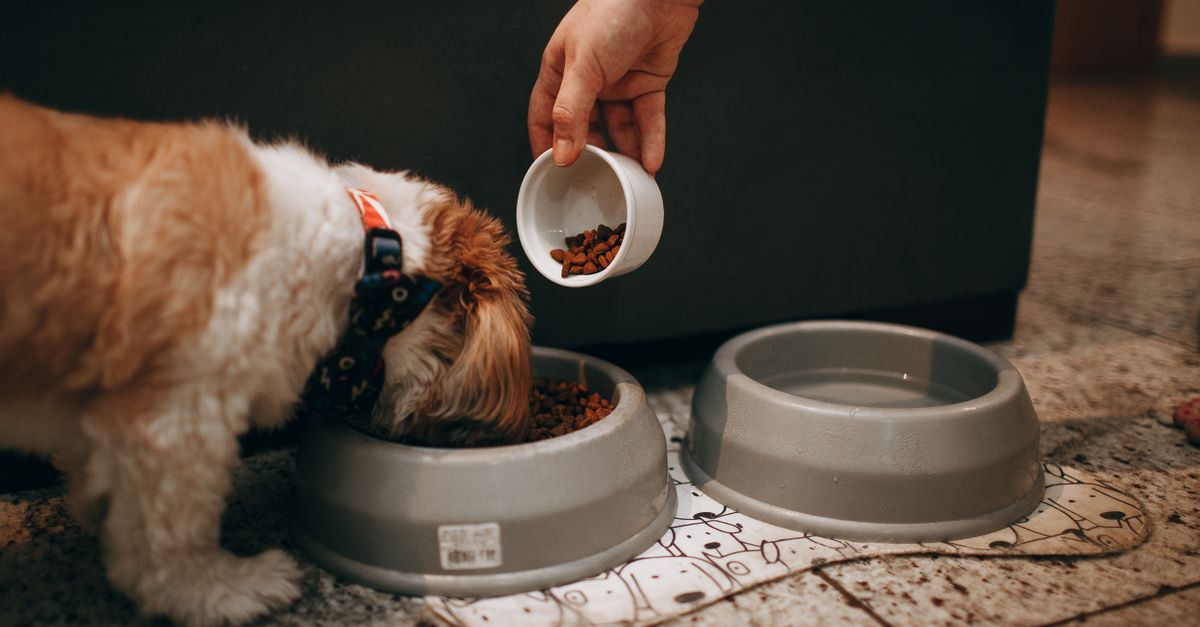
The standard seven-to-ten-day timeline you’ll find in most dog food guides is a baseline, not a rule. I’ve transitioned more than forty foster dogs to new food over six years, and the dogs who did best were the ones whose timelines matched their digestive history—not the calendar.
A healthy two-year-old with a cast-iron stomach can handle the standard schedule. A senior dog with a history of loose stool needs longer. A puppy needs longer still. This guide gives you the decision framework to customize the transition for your specific dog, troubleshoot when things stall, and manage feeding logistics if you’ve got multiple dogs in the house.
Why gradual transitions matter
When you switch food suddenly, you’re asking your dog’s gut microbiota to adapt overnight to new ingredients, fiber levels, and protein sources. It can’t. Abrupt diet changes disrupt the balance of beneficial bacteria in the GI tract, leading to diarrhea, vomiting, and reduced nutrient absorption. The American Veterinary Medical Association advocates for gradual transitions specifically because a gradual diet change allows your dog’s microbiota to adjust without that shock.
Here’s the part most guides leave out: visible stool normalization doesn’t mean the transition is complete. Research on canine microbiota and diet shows that gut bacteria populations can take four to eight weeks to fully stabilize after a food change—long after stool looks normal. This is why some dogs seem fine during a seven-day transition, then develop soft stool or GI upset a week or two later. The gut was still adapting.
The exception: veterinary therapeutic diets prescribed for conditions like IBD or pancreatitis sometimes require faster transitions under direct vet supervision, or occasionally slower ones for severely sensitive dogs.
What you’ll need
Tools:
- Kitchen scale or measuring cup
- Two bowls (if feeding separate portions during the transition)
Materials:
- Current food (enough to last through the transition period)
- New food
Prerequisites:
- Knowledge of your dog’s digestive history (any chronic diarrhea, food sensitivities, or GI issues)
- Vet clearance if your dog has IBD, pancreatitis, severe allergies, or is on medication
Match the timeline to your dog
Here’s the decision framework I use. Start with the baseline, then adjust based on your dog’s profile.
Baseline (healthy adult dog, no GI history): 7–10 days
Extend to 14–21 days if:
- Your dog is a senior (7+ years for large breeds, 10+ for small breeds)
- Your dog is a puppy (under 6 months)
- Your dog has a history of loose stool, chronic diarrhea, or diagnosed food sensitivity
- Your dog is switching from one protein source to a very different one (e.g., chicken-based to fish-based)
- The new food has significantly different fiber content or type compared to the old food
Shorten only under vet direction: If your dog is on a prescription diet for an acute medical issue, your vet may recommend a faster transition. Don’t do this on your own.
One foster dog I had—a twelve-year-old hound mix with a sensitive stomach—needed three full weeks to transition from a grocery-store kibble to a higher-protein food. We extended the timeline twice because his stool stayed soft at the 50/50 mark. Slowing down solved it. Rushing wouldn’t have.
The dog food switching schedule

This is the standard gradual diet change for dogs, spread over 7–10 days. If you’ve determined your dog needs a longer timeline, stretch each phase proportionally (e.g., 3 days per phase becomes 5 days).
Days 1–2: 75% old food, 25% new food
Measure your dog’s normal daily portion, then divide it into 75% of the old food and 25% of the new. Mix them together in the bowl.
Watch for: mild interest in the bowl (sniffing, slight hesitation). This is normal. Refusal to eat or vomiting after one meal is a sign to slow down.
Days 3–5: 50% old food, 50% new food
Equal parts old and new. This is where digestive changes are most noticeable—slightly softer stool is common and not a reason to stop. Persistent diarrhea (watery, multiple times a day) is.
Watch for: soft but formed stool, normal appetite. If your dog skips a meal but eats the next one, that’s okay. If they refuse food for 24 hours, revert to the previous ratio and extend the timeline.
Days 6–8: 25% old food, 75% new food
You’re nearly done. Most dogs tolerate this ratio well if they’ve made it this far without issues.
Watch for: return to normal stool consistency. If stool is still soft here, extend this phase by 3–5 days before moving to 100% new food.
Days 9–10: 100% new food
Full transition complete. Monitor stool and appetite for another week—some sensitivities show up late, not during the transition itself.
When the transition stalls
This is where most generic guides stop, but it’s where real-world dog owners need the most help.
Problem: Your dog refuses to eat the 50/50 mix.
Two likely causes: palatability or mild nausea. Drop back to the previous ratio (75/25) and hold there for three more days. If your dog still refuses, the new food may not be palatable to them—try warming it slightly to enhance aroma, or consider whether this food is the right choice. For persistent picky eaters, How to Feed a Picky Eater Dog: A Vet-First Approach has strategies that don’t involve hand-feeding or table scraps.
Problem: Soft stool persists past day 8.
This is often a fiber mismatch. The soluble-to-insoluble fiber ratio varies significantly between dog foods—even foods marketed as similar. Soluble fiber (from sources like beet pulp, psyllium, or oats) absorbs water and can firm stool, while insoluble fiber (from sources like cellulose or wheat bran) adds bulk and speeds transit time. If you’re switching from a low-fiber food to a high-fiber one, or vice versa, your dog’s digestive system needs extra time to adjust enzyme production and gut motility.
Extend the current ratio for five more days. If stool doesn’t firm up, revert to 100% old food and consult your vet. Persistent loose stool during a slow transition suggests the new food isn’t agreeing with your dog, not that you’re rushing.
Problem: Vomiting more than once, or retching.
Stop the transition immediately. Revert to 100% old food and call your vet. Vomiting during a food transition can indicate ingredient intolerance, but it can also signal an unrelated GI issue that the transition stress is revealing.
Problem: Itching, ear infections, or skin issues appear 1–3 weeks into the new food.
This is likely a food sensitivity or allergy, not transition upset. The timeline matches delayed allergic responses. Consult your vet and consider whether the new food contains an ingredient your dog has reacted to before (common culprits: chicken, beef, corn, wheat).
Managing multi-dog households
If you’re transitioning only one dog, or transitioning multiple dogs at different speeds, feeding logistics get complicated fast. Here’s what works.
Separate feeding spaces: Feed dogs in different rooms with closed doors, or use crate feeding if your dogs are crate-trained. This prevents the non-transitioning dog from eating the “wrong” food and eliminates resource-guarding stress.
Timed meals, not free feeding: Pick up bowls after 15–20 minutes. This gives you control over who eats what and prevents accidental food swaps.
Label storage containers: If you’re mixing ratios in advance, label each dog’s container with their name and the date. I learned this the hard way after mixing up two fosters’ food and setting one dog’s transition back by a week.
Stagger transition start dates if needed: If both dogs need transitions and you’re managing this solo, start one dog first, get them to the 50/50 phase, then start the second dog. Trying to manage two overlapping transitions increases the chance of mistakes.
When to call your vet
Before you start:
- Your dog has IBD, pancreatitis, chronic diarrhea, or severe allergies
- Your dog is on medication (some drugs interact with specific food ingredients)
- You’re switching to a prescription or therapeutic diet
During the transition:
- Diarrhea lasting more than 5–7 days
- Vomiting more than once
- Refusal of food for more than 24 hours
- Lethargy, fever, or bloody stool
- Signs of bloat (distended abdomen, restlessness, retching without vomiting)—this is an emergency
Common myths about switching dog food
“Dogs should eat the same food for life.” No. Nutritional needs change with age, activity level, and health status. Puppies need growth formulas. Seniors need joint support and lower calories. The ASPCA’s feeding guidance confirms that switching food for legitimate reasons is normal and healthy.
“A high-quality food means a faster transition.” Quality doesn’t speed up microbial adaptation. Your dog’s gut bacteria need time to adjust regardless of ingredient grade. If you’re switching to a premium food or exploring options like Best Budget Dog Food Brands in 2026, the timeline stays the same.
“My dog will eat when he’s hungry.” Partially true, but refusal during a transition often signals digestive unease or palatability issues, not pure stubbornness. Forcing the issue by withholding food rarely helps.
Verify it worked
Two weeks after completing the transition to 100% new food, check:
- Stool is consistently formed and normal in color
- Your dog is eating meals without hesitation
- No vomiting, itching, or ear infections have appeared
- Energy level and coat condition remain normal
If all of those hold, the transition succeeded. If any symptoms linger or appear late, consult your vet—you may be dealing with a food sensitivity rather than transition upset. Remember that full gut microbiota stabilization can take up to two months, so monitor your dog’s digestion and overall health through that window.
The right dog food switching schedule isn’t the one that’s fastest—it’s the one that gets your dog to the new food without digestive distress. I’ve seen plenty of owners rush the timeline because the new food is “better,” only to end up back at square one when their dog’s gut couldn’t keep up. Slow works. And if you’re managing multiple dogs or a dog with a sensitive system, slow is the only thing that works.