

Trimming your bird’s nails at home can prevent perching problems and painful catches on toys and cage fabric—but only if you do it safely. Bird nails have a blood vessel running their full length, making them fundamentally different from dog or cat claws. One wrong cut causes rapid bleeding that’s difficult to stop, and restraint stress can trigger cardiac issues in some birds.
This guide is for experienced bird owners with small-to-medium species (cockatiels, conures, small parakeets) who’ve discussed nail care with an avian vet. If you’ve never trimmed bird nails before, or if you have a large parrot, skip to the “When to call a professional” section first. The internet is full of advice that treats bird nail care like trimming a dog’s nails—it’s not, and that misinformation has caused preventable injuries.
What you’ll need
Tools:
- Guillotine-style bird nail clippers or sharp, fine-point scissors designed for small animals (not dog clippers, which crush the nail)
- Bright LED light or headlamp
- Soft, breathable towel for gentle restraint
Materials:
- Fresh styptic powder (check expiration date—degraded powder doesn’t work)
- Clean perches ready for post-trim recovery
- Cotton swabs or applicator sticks for styptic powder
Prerequisites:
- Your bird is comfortable with foot handling (gradual training required if not)
- You’ve watched an avian vet demonstrate the technique at least once
- Your bird is healthy, not molting, and not showing signs of respiratory or cardiac disease
- You have a second person available to help with restraint if needed
Before you start: Species-specific risk stratification
This is a high-risk task. Birds lose blood volume faster than mammals, and restraint stress can cause heart arrhythmias. The Association of Avian Veterinarians recommends professional-only trimming for certain species due to anatomical and behavioral risk factors.
Home trim candidates (with vet demonstration first):
- Budgerigars, cockatiels, lovebirds—visible quicks in light nails, tolerate brief restraint
- Small conures (green-cheeked, maroon-bellied)—manageable size, moderate stress response
- Canaries, finches—tiny nails require extreme precision but low restraint risk if you’re experienced
Professional-only species:
- Large parrots (macaws, cockatoos, African greys)—severe arterial bleeding risk, bone fracture from restraint, high cardiac stress response
- Amazons, eclectus—thick dark nails hide the quick completely
- Any species with documented cardiac or respiratory disease
Never attempt a home trim if:
- Your bird has dark nails where the quick is invisible
- History of heart issues, respiratory disease, or behavioral trauma
- Currently molting or under stress (compromised immune response increases infection risk)
- Bird struggles or panics when you hold their foot—stop immediately
If you’ve never done this before, ask your avian vet to trim the first time and demonstrate the technique. Grooming-related bleeding is a documented cause of emergency avian vet visits, according to veterinary literature on avian hemostasis, and most cases involve owners who underestimated how quickly restraint stress and blood loss become critical.
Step 1: Assess whether trimming is actually needed
Not all long nails need trimming. Bird nail care starts with proper perching, not clippers.
Check for these signs that trimming is necessary:
- Clicking sounds when your bird walks on flat surfaces
- Nails curling into the footpad
- Difficulty gripping perches or your hand
- Nails catching on fabric or cage bars
If the nails are long but your bird perches and grips normally, add perch variety first—this is the veterinary-recommended first-line approach and eliminates the need for trimming in many cases.
Perch enrichment specifications
Natural perch variety wears nails down and can eliminate trimming entirely for many birds. Here’s what works:
Diameter standards by species:
- Budgies, canaries, finches: 4–8mm primary perches
- Cockatiels, lovebirds, small conures: 10–16mm primary perches
- Medium parrots (caiques, senegals): 16–25mm primary perches
Provide at least three perch diameters in each cage so different toes bear weight on each perch.
Perch materials that maintain nails:
- Natural hardwood branches (manzanita, java wood)—irregular surface wears nails naturally; replace every 6–12 months when smooth
- Concrete or pumice perches—place as one perch, not all (can cause foot abrasions if overused); position where your bird lands most often
- Braided cotton rope perches (not synthetic—frays can catch nails)—replace when fibers fray or discolor
What doesn’t work:
- Uniform dowel perches—single diameter causes pressure sores and doesn’t wear nails
- Sandpaper-covered perches—abrade footpads, can cause infection
- Plastic perches—smooth surface, no nail wear
The UC Davis School of Veterinary Medicine’s exotic animal program notes that proper perch variety reduces the need for nail trimming in most small-to-medium psittacines, though individual nail growth rates vary.
Step 2: Prepare your workspace and tools
Work in a quiet, well-lit room away from other pets. Lay out your styptic powder, clippers, and towel within easy reach—if bleeding starts, you won’t have time to search for supplies.
Check your styptic powder’s expiration date. Degraded powder loses effectiveness; flour or cornstarch are not substitutes and won’t stop arterial bleeding in birds.
Have your second person ready if you’re using one. Their job is to support the bird’s body, not restrain it forcefully.
Step 3: Restrain your bird gently
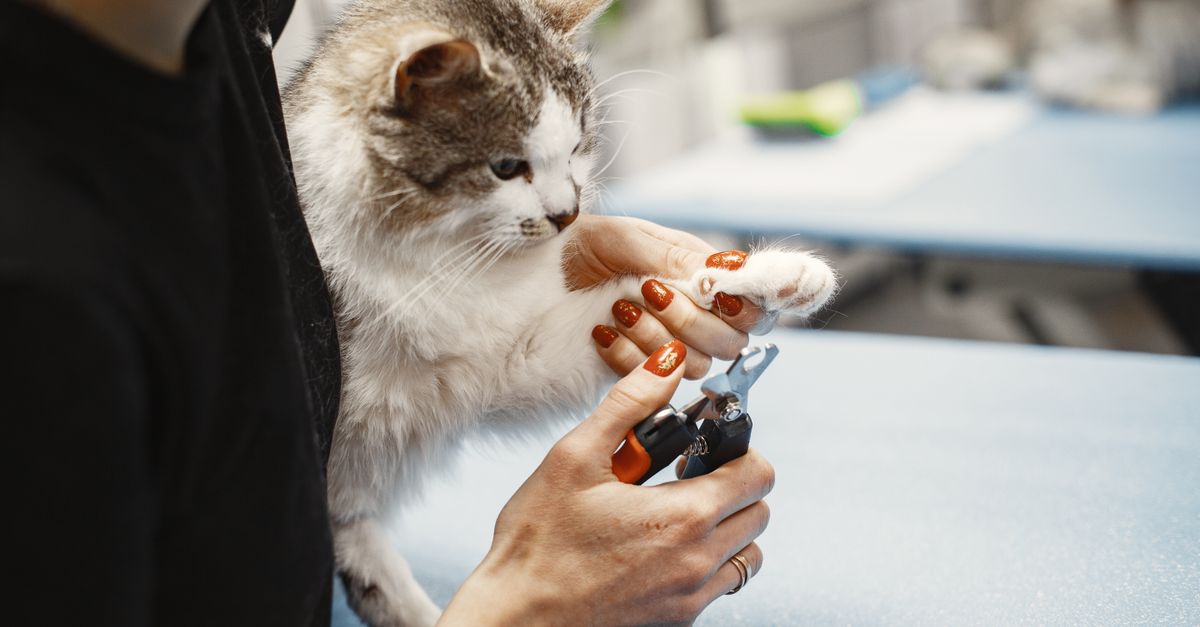
Wrap your bird loosely in a soft towel, leaving one foot exposed. Support their body against your palm—never squeeze the chest or ribcage, as this restricts breathing.
If your bird struggles, fluffs their feathers, or breathes rapidly, stop. Restraint stress is dangerous for birds, and attempting to “power through” can cause shock or cardiac events.
Hold the foot gently but securely, extending one toe at a time between your thumb and forefinger.
Step 4: Identify the quick and trim conservatively
Shine your light through the nail from behind. Light-colored nails show a pinkish blood vessel running most of the nail’s length; dark nails often hide it completely.
Trim only the sharp tip—1–2 millimeters maximum, well away from where you think the quick might be. Bird nails have a continuous blood vessel, unlike dog or cat claws where the quick stops partway. There is no safe zone.
Clip at a slight angle following the natural curve of the nail, not straight across.
If you cannot see the quick, trim only the very tip of the hook. It’s better to trim conservatively multiple times than to cut too much once.
Step 5: Stop immediately if bleeding occurs
If you nick the quick, bleeding will be immediate and significant. Apply styptic powder directly to the nail tip with firm, gentle pressure using a cotton swab. Hold pressure for 30–60 seconds.
Do not use flour, cornstarch, or baking soda—these do not work on arterial bleeding in birds.
If bleeding continues after 10–15 minutes of styptic powder application, you’ve likely nicked an artery. Wrap your bird gently, keep them calm, and go to your avian vet immediately.
Step 6: Monitor your bird post-trim

Place your bird on clean perches. Bird feet contact feces and bacteria regularly, so any bleeding increases infection risk.
Watch for these warning signs over the next 24–48 hours:
- Limping or refusing to bear weight
- Swelling, heat, or discharge around the nail
- Fluffed feathers, lethargy, or rapid breathing (signs of shock or infection)
If any of these occur, see your avian vet the same day.
Verify it worked
Your bird should perch and grip normally, with no clicking sounds when walking on flat surfaces. The nails should not catch on fabric or curl into the footpad.
If your bird limps or favors the trimmed foot, you may have cut too short. Monitor closely and contact your vet if the limping doesn’t resolve within a few hours.
Troubleshooting
Problem: I can’t see the quick in my bird’s dark nails Your bird needs a professional trim. Attempting to guess the quick’s location causes most home-trim bleeding incidents. An avian vet has the experience to trim dark nails safely.
Problem: My bird won’t tolerate restraint Stop. Forced restraint causes dangerous stress in birds. Work with your vet on gradual desensitization training, or schedule professional trims instead. Some birds are not candidates for home nail care, and that’s okay.
Problem: The styptic powder isn’t stopping the bleeding You’ve nicked an artery, or your styptic powder is expired. Go to your avian vet immediately—birds can lose critical blood volume within minutes.
Problem: My bird’s nails grew back quickly after trimming Nail growth rate varies by species, diet, and perch setup. Add more perch variety (concrete, natural branch, varying diameters) to maintain wear between trims. If nails are growing unusually fast, discuss diet and health with your vet—it can indicate underlying issues.
When to call a professional
Always use a professional for:
- Large parrots (macaws, cockatoos, African greys)
- Birds with dark nails where the quick is invisible
- Birds with cardiac, respiratory, or behavioral health histories
- Your first time trimming—ask your vet to demonstrate
Immediate vet visit required if:
- Bleeding doesn’t stop after 15 minutes of styptic powder
- Swelling, heat, or discharge appears in the foot after trimming
- Your bird refuses to bear weight on the trimmed foot
- Your bird shows signs of shock (fluffed feathers, lethargy, rapid breathing) after a trim
Ongoing professional care:
- Annual nail checks at wellness exams—your vet will assess whether your perch setup is adequate or if trimming is needed
- If you notice clicking sounds (nails hitting perches), bring your bird in for evaluation before attempting a home trim
FAQ
Can I use dog nail clippers on my bird?
No. Dog clippers are designed for thicker nails and will crush your bird’s delicate nail structure, damaging the quick and causing bleeding. Use guillotine-style bird clippers or sharp fine-point scissors designed for small animals.
What if my bird’s nails are dark and I can’t see the quick?
Don’t trim them yourself. The quick runs the full length of a bird’s nail, and cutting blindly causes the majority of home-trim bleeding incidents. An avian vet has the training to trim dark nails safely. This is one of the most widespread pieces of bad advice online—the idea that you can “just trim a little bit” safely doesn’t account for individual nail anatomy variation.
How do I know when to clip bird nails?
Listen for clicking sounds when your bird walks on flat surfaces, check for nails curling into the footpad, or watch for difficulty gripping perches. Long nails alone aren’t the issue—function is. Many birds with long-looking nails perch and grip perfectly well, especially if they have proper perch variety. When in doubt, have your avian vet assess at a wellness visit.
Is it true I can see the quick by shining a light through the nail?
Sometimes, but not reliably. This works for light-colored nails in some species like cockatiels, but pigmented or dark nails often hide the quick completely. Many home-trimmed birds have bled from trusting this method on the wrong species. Professionals use styptic powder as a safety backup, not a light as their guide.
What’s the difference between bird nail care and cat or dog nail care?
Birds have a blood vessel running the full length of the nail, not just partway like dogs and cats. There’s no safe zone to trim. Birds also have much smaller blood volumes and can lose critical amounts quickly. Finally, restraint stress is far more dangerous for birds due to their unique respiratory system and cardiac sensitivity—a panicking bird can go into shock or have a heart arrhythmia during restraint.
If your bird has healthy feet and you’re trimming only because the nails look long, reconsider. Perch variety—concrete, natural branch, and rope in different diameters—keeps most birds’ nails naturally maintained and eliminates the risk entirely. When nail trimming is truly necessary, the safest first trim is always with an avian vet who can show you the technique and assess whether your bird is a candidate for home care.