
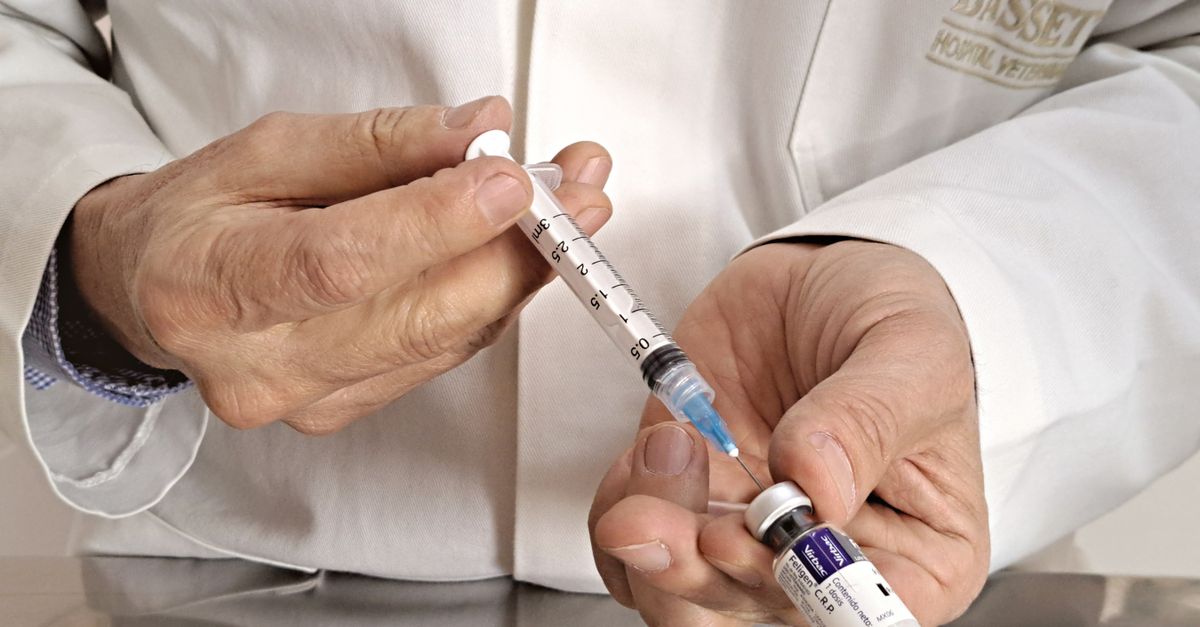
Your puppy needs a series of vaccines starting at 6–8 weeks of age, repeated every 3–4 weeks until they reach 16 weeks old. The final dose must happen at or after 16 weeks—earlier schedules won’t provide full immunity, no matter how many boosters your puppy gets. This timing exists because puppies are born with maternal antibodies that protect them but also block the vaccine from working. The series ensures immunity kicks in after those maternal antibodies fade, but before your puppy is fully exposed to disease.
Most new owners expect a single shot and a checkmark. The reality is three to four vet visits over ten weeks, each building on the last. This guide walks you through the standard puppy shots timeline, explains when and why timing matters, covers what to do if you miss a date, and helps you track the series from start to finish.
What you’ll need
To track your puppy’s vaccines:
- Vaccine record card from your vet (they’ll provide this at the first visit)
- Calendar or reminder app for scheduling follow-ups
- Copy of your puppy’s health history if you adopted from a breeder or shelter
At each vet visit:
- Your puppy’s current weight (your vet will weigh them, but tracking growth helps spot health issues early)
- List of any symptoms since the last visit—lethargy, diarrhea, vomiting, or unusual behavior
- Questions about non-core vaccines if your puppy’s lifestyle has changed (new dog park, boarding, travel)
The core puppy vaccination schedule
This is the standard protocol recommended by the American Veterinary Medical Association (AVMA) and followed by most veterinary clinics in the United States. Your vet may adjust timing based on your puppy’s breed, size, health, or local disease risk.
| Age | Vaccine | Notes |
|---|---|---|
| 6–8 weeks | DHPP (first dose) | Distemper, hepatitis, parvovirus, parainfluenza. Start as early as 6 weeks if high-risk environment (shelter, multi-dog home). |
| 10–12 weeks | DHPP (second dose) | Spaced 3–4 weeks after the first dose. Some vets include bordetella (kennel cough) at this visit if your puppy will be boarding or attending daycare. |
| 14–16 weeks | DHPP (third dose) + rabies | The final DHPP dose must occur at 16 weeks or later for full immunity. Rabies timing varies by state law—some require it at 12 weeks, others at 16 weeks. |
| 1 year | DHPP booster + rabies booster | After this, DHPP boosters are typically every 3 years. Rabies boosters follow state law (1-year or 3-year formulations). |
Non-core vaccines (bordetella, leptospirosis, Lyme disease, canine influenza) depend on where you live and your puppy’s exposure. Discuss these with your vet at the first visit.
Step 1: Start the series at 6–8 weeks
Your puppy’s first DHPP vaccine should happen between 6 and 8 weeks of age. If you brought your puppy home from a breeder, they may have already given the first dose—ask for documentation. If you adopted from a shelter or rescue, assume your puppy has had no vaccines and start fresh, even if the shelter claims otherwise. I’ve fostered more than forty dogs, and vaccine records from rescues are often incomplete or based on guesswork about the dog’s age.
At this first visit, your vet will also check for parasites, assess overall health, and discuss your puppy’s lifestyle. Mention if you plan to board your puppy, take them to dog parks, or travel—these factors determine whether non-core vaccines make sense.
What to expect: Your puppy will likely be nervous. Bring high-value treats (small pieces of cooked chicken or cheese) and keep the visit short and positive. Most puppies tolerate the injection well. You may see mild lethargy or soreness at the injection site for 24 hours.
Step 2: Second dose at 10–12 weeks
Three to four weeks after the first dose, your puppy returns for the second DHPP vaccine. This spacing is critical—too soon, and maternal antibodies may still block the vaccine; too late, and you leave a gap in protection during the highest-risk window.
If your puppy will be in group settings (puppy class, daycare, boarding), your vet may recommend bordetella at this visit. Bordetella is often given as an intranasal spray rather than an injection. Some puppies sneeze or have nasal discharge for a day or two afterward—this is normal.
Tracking tip: Set a calendar reminder for 3 weeks from the first dose, then call your vet to schedule the appointment. Most clinics book puppy series visits in advance, but remind yourself to confirm the date a few days ahead.
Step 3: Final DHPP dose and rabies at 14–16 weeks

This is the most important visit in the series. According to veterinary immunology research from UC Davis School of Veterinary Medicine, the final DHPP dose must occur at 16 weeks of age or later to ensure your puppy’s immune system responds adequately. Puppies vaccinated earlier than 16 weeks for their final dose may not develop full immunity, even if they’ve had multiple boosters.
At this visit, your puppy also receives their first rabies vaccine. Rabies timing is governed by state law—some states require it at 12 weeks, others at 16 weeks. Your vet will know your local requirement. Rabies vaccines are single-dose; the next booster is due one year later, then every three years after that (or annually, depending on the vaccine formulation and state law).
What success looks like: Your puppy is now protected against the core diseases. You’ll receive a rabies certificate and an updated vaccine record. Keep both—you’ll need the rabies certificate for licensing, boarding, and travel.
Step 4: One-year booster
One year after the puppy series, your dog returns for a DHPP booster and a rabies booster. After this visit, most vets recommend DHPP boosters every three years rather than annually. Some owners opt for titer testing (a blood test that measures antibody levels) instead of automatic boosters. Discuss this with your vet if you’re concerned about over-vaccination.
Rabies boosters follow state law. Most states accept three-year rabies vaccines after the first one-year booster, but a few still require annual rabies shots.
Verify your puppy is fully protected
After the final dose at 16 weeks, your puppy is considered fully vaccinated for core diseases. However, full immunity takes about two weeks to develop after the last shot. Until then, avoid high-risk environments: dog parks, pet stores, areas where unvaccinated dogs congregate.
If you’re unsure whether your puppy completed the series correctly—maybe you adopted an older puppy with partial records, or you missed a dose—ask your vet about titer testing. A titer test measures antibody levels in your puppy’s blood and confirms whether they’re protected. It’s more expensive than a booster ($80–$150 vs. $20–$40 per vaccine), but it’s the only way to know for certain.
When your puppy doesn’t fit the standard schedule
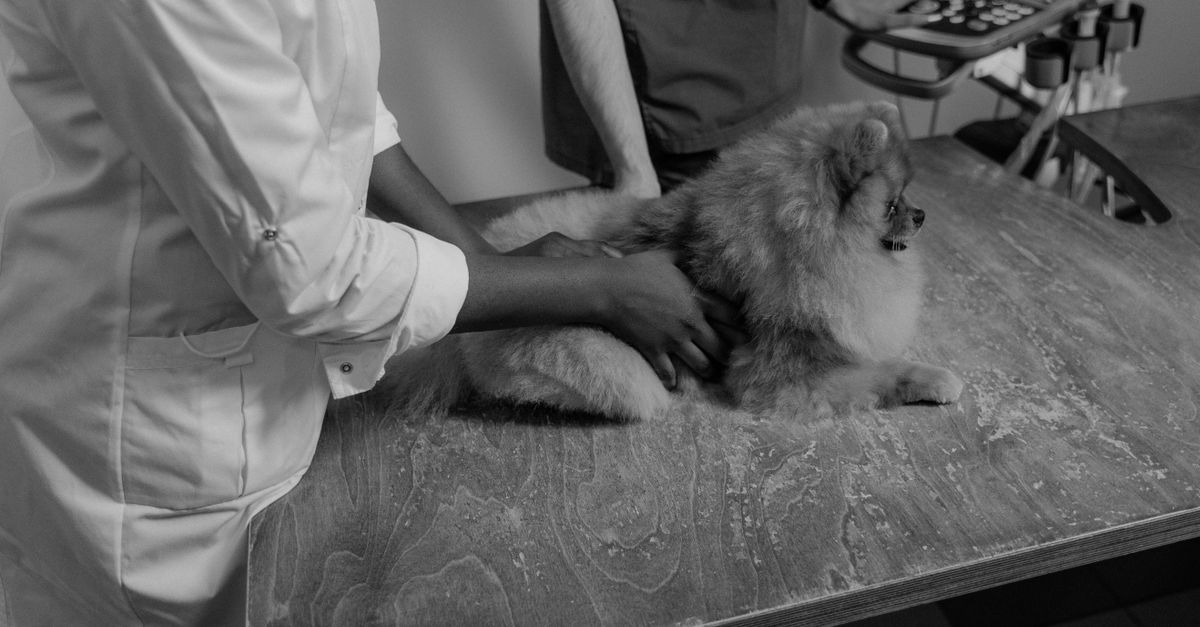
Rescue puppies with unknown vaccine history: Start the series immediately, regardless of claimed prior shots. Your vet may recommend a modified schedule if your puppy is older than 16 weeks—two doses spaced 3–4 weeks apart, rather than three doses.
Toy breeds and small dogs: The schedule is the same, but some vets spread out vaccines to reduce the risk of reaction in very small puppies (under 5 pounds). This might mean spacing doses by 4 weeks instead of 3, or giving rabies separately from DHPP rather than on the same day.
High-risk environments: If your puppy lives in a multi-dog household, came from a shelter with a known parvovirus outbreak, or is in an area with active distemper cases, your vet may start vaccines as early as 6 weeks and recommend an additional dose to ensure coverage.
Regional disease risks: Lyme disease is common in the Northeast and upper Midwest; leptospirosis is a concern in areas with standing water and wildlife. If you live in these regions, your vet may recommend adding Lyme or lepto vaccines to the series. These are typically given starting at 12 weeks, with a booster 3–4 weeks later.
Troubleshooting: What if you miss a dose?
Delayed by 1–2 weeks: Not a crisis. Call your vet and schedule the next dose as soon as possible. A short delay doesn’t restart the series—you simply pick up where you left off.
Delayed by a month or more: Your vet will assess how long it’s been since the last dose and your puppy’s current age. If your puppy is still under 16 weeks, you’ll likely continue the series. If your puppy is over 16 weeks and missed multiple doses, your vet may restart with two doses spaced 3–4 weeks apart.
No records, unknown timing: Treat your puppy as unvaccinated. Your vet will start a fresh series. It’s safer to give an extra dose than to assume immunity that isn’t there.
I’ve fostered dogs who arrived with no paperwork and vague “he’s had some shots” assurances. We always started over. It’s one vet visit worth of inconvenience in exchange for knowing the dog is protected.
Vaccine reactions: What’s normal and what’s not
Normal within 24 hours:
- Mild lethargy or sleepiness
- Soreness or a small lump at the injection site
- Decreased appetite for one meal
Call your vet immediately if you see:
- Facial swelling, especially around the eyes or muzzle
- Vomiting or diarrhea
- Hives or itching
- Difficulty breathing
- Severe lethargy lasting more than 24 hours
Serious vaccine reactions are rare. The diseases these vaccines prevent (parvovirus, distemper) are far more dangerous than the vaccines themselves.
FAQ
Can I take my puppy to the dog park before they finish their shots?
No. Unvaccinated puppies are vulnerable to parvovirus and distemper, both of which can survive in soil for months and are easily transmitted in shared spaces. Wait until two weeks after your puppy’s final dose at 16 weeks. In the meantime, socialize your puppy with vaccinated adult dogs in controlled settings—friends’ homes, private yards, or puppy classes that require proof of vaccination.
Do all puppies need the same vaccines?
Core vaccines (DHPP and rabies) are recommended for all puppies. Non-core vaccines depend on lifestyle and geography. A puppy in rural Wisconsin who will be hiking in tick-heavy woods probably needs the Lyme vaccine; a puppy in urban Phoenix probably doesn’t. A puppy attending daycare needs bordetella; a puppy who stays home doesn’t.
My breeder gave my puppy shots at 5 weeks. Does that count?
Probably not. Vaccines given before 6 weeks are unlikely to work because maternal antibodies are still too high. Your vet will likely start the series fresh at 6–8 weeks. Bring the breeder’s records to your first vet visit so your vet can assess.
How much does the puppy vaccine series cost?
Expect $75–$200 total, depending on your location and whether you add non-core vaccines. Each DHPP dose costs $15–$40; rabies costs $15–$25. Vet exam fees add $40–$70 per visit. Some low-cost clinics and shelters offer discounted puppy vaccine packages.
Your puppy’s vaccine series is one of the most important things you’ll do in their first few months. It’s not complicated—three or four vet visits, a calendar reminder, and a folder for records—but the timing matters. Most puppies tolerate vaccines well, the protection lasts years, and the alternative (an unvaccinated puppy exposed to parvovirus or distemper) is far worse.
If you’re ever uncertain about timing, missed doses, or whether your puppy needs an additional vaccine, your vet is the right person to ask. They know your puppy’s health history and your local disease risks better than any general guide can.
For more on keeping your puppy healthy, see Signs Your Dog Is in Pain: How to Read What They’re Hiding if your puppy seems unusually sore after a vaccine, or Signs of Food Allergies in Dogs: What Most Owners Miss if you’re trying to distinguish vaccine reactions from food sensitivities.
Sources
- American Veterinary Medical Association (AVMA). “Vaccination Guidelines.” https://www.avma.org/resources-tools/pet-owners/petcare/vaccination-guides
- UC Davis School of Veterinary Medicine. “Puppy Vaccination Protocol.” https://www.vetmed.ucdavis.edu/