

My current dog turned 12 last fall. He’s a 38-pound terrier mix, gray around the eyes, and the routines that worked when he was four don’t work anymore. The shift isn’t dramatic — it’s a hundred small things, and most of them happen gradually enough that you can miss them. This is the checklist I wish I’d had three years earlier.
Vets generally consider small dogs senior around age 9, medium dogs around 7, and large breeds as early as 5 or 6. The list below applies to any dog that’s crossed that line — and to first-time owners taking on an older rescue, which is one of the kindest things a person can do.
1. Move to twice-yearly vet visits, not yearly
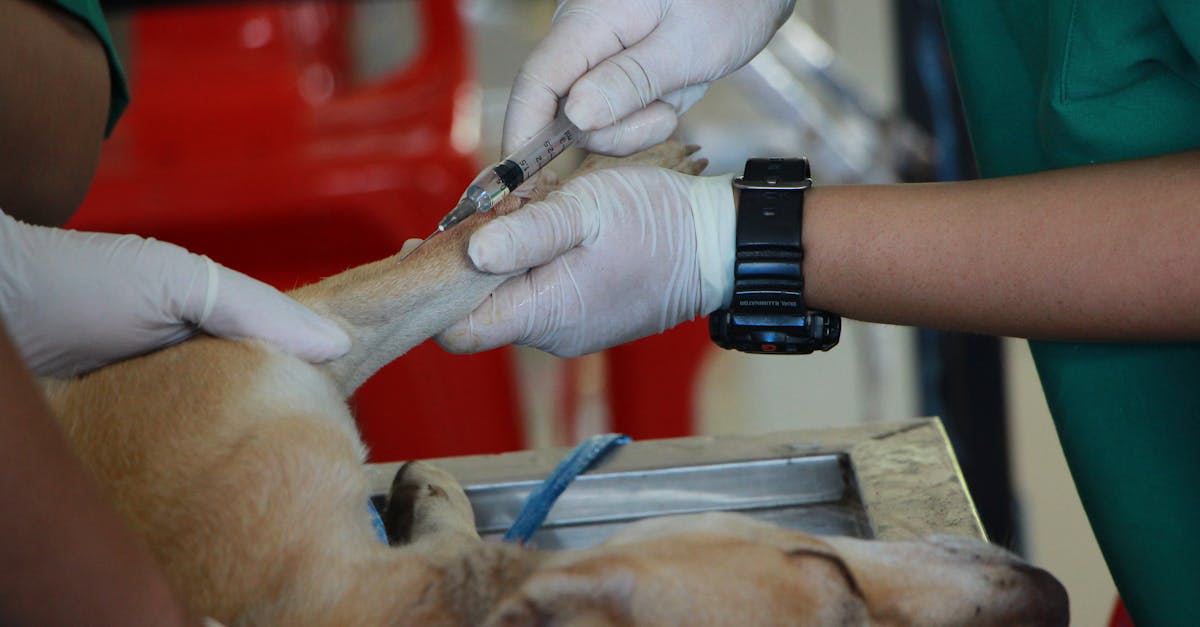
The biggest single change. Senior dogs develop kidney disease, heart conditions, dental issues, and certain cancers fast enough that 12 months is too long between checks. The American Animal Hospital Association recommends wellness exams every six months for senior dogs, with bloodwork that includes a full CBC, chemistry panel, thyroid screen, and urinalysis. The cost runs $150–300 per visit depending on region; pet insurance for seniors usually doesn’t cover preventive bloodwork, so this is out of pocket for most owners. It’s worth it. Several conditions we caught early on my dog (slightly elevated kidney values, then mild hypothyroidism) would have been much harder to manage if we’d waited.
2. Switch to a senior-formulated food — but verify the protein level
Senior dog food is a real category, not a marketing move, but the formulas vary widely. The right one usually has slightly lower fat, moderate-to-high quality protein (not lower protein — that’s an outdated belief unless your vet has identified kidney disease), added omega-3s, glucosamine, and a bit less sodium. Skip any senior food whose first ingredient is corn, wheat, or generic “meat by-products.” Hill’s Science Diet Adult 7+, Purina Pro Plan Bright Mind 7+, and Royal Canin Aging 12+ are the most commonly vet-recommended options. Compare them carefully against your dog’s weight goals — see best dog food for sensitive stomach if digestive issues have started showing up alongside the other changes.
3. Watch the weight more carefully than ever
A 38-pound senior dog with five extra pounds is carrying the equivalent of a 30-pound adult human carrying 25 extra pounds. The math is brutal. Senior dogs gain weight easily because they move less and their metabolism slows, and weight on aging joints is what turns mild arthritis into a serious mobility problem. Weigh monthly if you can — most vets will let you bring your dog in just to use the scale, no appointment.
4. Add omega-3s and consider a joint supplement
The evidence for omega-3 fatty acids (EPA/DHA from fish oil) helping inflammation in senior dogs is reasonably strong. The evidence for glucosamine/chondroitin is more mixed but the side-effect profile is gentle enough that most vets are fine with trying it. Talk to your vet first if your dog is on any medication, especially NSAIDs. Nordic Naturals Omega-3 Pet and Nutramax Cosequin DS are the two products most commonly recommended in vet offices. Skip the bargain joint chews; the actual content of glucosamine in them is often a fraction of what the label suggests.
5. Learn to recognize pain — before it becomes obvious
This is the one most owners miss. Senior dogs don’t always limp or yelp when they’re in pain. Instead, watch for reluctance going up or down stairs when they used to charge them, lying down carefully instead of flopping, hesitating before jumping into the car or onto the couch, and withdrawal from family interaction — a dog who suddenly prefers to be alone may be hurting. According to the American Veterinary Medical Association, behavioral changes like increased irritability or reduced activity are often the first signs of chronic pain in older dogs. My own dog stopped greeting me at the door six months before we identified early arthritis; I thought he was being aloof. He wasn’t — his hips hurt. Once we started pain management, he was back at the door within a week.
Shorter, more frequent walks help, but route choice matters too. Grass and dirt are easier on aging joints than concrete; if you live in a city, that’s not always possible, but route around the park when you can. Watch for signs they’re done — slowing down, lagging on the leash, refusing to turn down the next block. Push past those signals and you’ll pay for it in stiffness the next day.
6. Get a real orthopedic bed (not a foam topper in a covered shell)
This is the upgrade I underestimated. Memory foam or, better, true orthopedic foam beds with at least 3–4 inches of support make a measurable difference in how stiff a dog is in the morning. The Big Barker brand makes the only bed I’ve personally seen change a dog’s morning gait — they’re expensive ($250–350 for a medium) and worth it. PetFusion makes a $80–120 alternative that’s not as good but is genuinely useful. Avoid beds that are mostly polyfill or shredded foam; they compress within a few months and you’re back to letting a 60-pound dog sleep on the floor.
7. Schedule a dental cleaning under anesthesia (yes, even though it’s expensive)
Dental disease is the most common chronic condition in senior dogs, and bacteria from advanced periodontal disease can spread to the heart and kidneys. Most vets recommend a full anesthetic dental at least once in a senior dog’s life, and sometimes annually for breeds prone to dental issues (small breeds especially). Cost runs $500–1,500 depending on extractions needed. Modern anesthesia protocols for healthy seniors are much safer than they were 15 years ago — your vet should bloodwork and ECG beforehand. “Anesthesia-free” cleanings don’t get below the gumline where the real disease lives; they’re cosmetic only.
8. Update the home for traction and accessibility
Older dogs lose confidence on slippery floors before they lose strength. Hardwood and tile become hazards. Cheap fixes that work: a few non-slip runners ($30–60 each on Amazon) in the main paths your dog takes, a step or ramp up to the couch if they used to jump, and a baby gate at the top of stairs they shouldn’t be doing alone anymore. ToeGrips ($25 for a pack) are little rubber rings that fit on a dog’s nails and add traction on slick floors — they sound silly and they actually work on certain dogs.
9. Trim nails more often — and more carefully
Senior dogs walk less, which means their nails wear down less, which means trimming becomes more frequent rather than less. Long nails change a dog’s posture and put extra strain on already-tired joints. Every 2–3 weeks is typical for a senior. If you’ve been doing it yourself, see how to trim a dogs nails at home — and if their nails have gotten so long the quick has grown out, a vet or groomer can taper them back over several sessions.
10. Watch for cognitive changes and get them evaluated

Canine cognitive dysfunction (CCD) affects a significant portion of senior dogs — research cited by Cornell University College of Veterinary Medicine suggests it impacts dogs over age 11 at rates comparable to early dementia in aging humans. It’s underdiagnosed because owners assume “she’s just old.” The signs cluster into a few categories: disorientation (getting lost in familiar rooms, staring at walls or into corners), altered sleep-wake cycles (sleeping all day, pacing or whining at night), house-training regression in a previously reliable dog, and changes in social interaction (less interest in greeting family, confusion about familiar people).
If you’re seeing two or more of these, bring it up with your vet. There are real interventions. Selegiline (brand name Anipryl) is an FDA-approved medication for CCD and works better when started early, before symptoms are severe. Certain therapeutic diets like Hill’s Prescription Diet b/d have shown cognitive support in studies. Environmental enrichment — short, structured play sessions, food puzzles, scent work — helps maintain engagement. This isn’t something you live with because “that’s just aging.” It’s something you manage, and earlier is better.
11. Prepare for incontinence (it’s common and manageable)
This one doesn’t get talked about much, but urinary incontinence is extremely common in senior spayed female dogs and happens in neutered males and intact dogs too. It usually shows up as small amounts of urine leaking while they’re sleeping, or dribbling after they stand up. The ASPCA notes that age-related incontinence is a manageable condition, not a reason to panic or assume quality of life is gone.
Practical management: washable waterproof pads under their bed ($20–40 for a pack of two), belly bands for males or dog diapers for females if it’s happening during the day, and a conversation with your vet about medication. Phenylpropanolamine (PPA) is the most commonly prescribed drug and works well for many dogs with sphincter weakness. Hormone-responsive incontinence in spayed females sometimes responds to low-dose estrogen. This is fixable or at least very manageable — don’t let embarrassment keep you from bringing it up.
12. Re-evaluate the daily routine for predictability
Senior dogs do better with consistent routines than younger dogs. The neurological flexibility that lets a 3-year-old roll with a schedule change isn’t there at 11. Meals at consistent times, the same walking routes, predictable bedtimes — all of these reduce stress for an older dog. If you travel, a familiar pet sitter coming to your home is usually less disruptive than a boarding facility, even a good one. A dog who was fine with boarding at 5 may be visibly anxious about it at 11.
Have the quality-of-life conversation with your vet before you need to. The kindest thing I’ve learned, both from fostering older dogs and living with my own, is to talk to your vet about quality-of-life markers — pain, mobility, appetite, hydration, ability to enjoy the things they used to enjoy — before you’re in a crisis. Most vets are happy to walk through frameworks with you that help clarify what you’re watching for. Knowing in advance makes the eventual decisions clearer and softer for everyone. You don’t have to be there yet to have the conversation.
How to use this checklist
Start with the vet visit (#1) and the pain-recognition framework (#5). Those two alone catch most of the issues that matter. Layer in the weight check, the food adjustment, the orthopedic bed, and the joint supplement once you have your vet’s input on what’s appropriate for your specific dog. The rest you can phase in over the first few months of recognizing your dog has moved into senior territory. None of this needs to be done all at once, and the goal is steady comfort and longer good time together — not a perfect score on a list.
Frequently asked questions
What age is a dog considered senior?
Small breeds (under 20 lbs) become senior around age 9–10. Medium breeds (20–50 lbs) around 7–8. Large and giant breeds (over 50 lbs) as early as 5–6 for giant breeds and 6–7 for large. Mixed-breed dogs follow their estimated adult weight, not breed averages.
How often should I take my senior dog to the vet?
Every six months for a wellness check, with bloodwork at least annually and often twice a year. Many vets recommend more frequent visits if your dog has any chronic condition (kidney disease, heart disease, arthritis) under management.
Do senior dogs really need a special diet?
Most do, yes — but “senior” formulas vary widely. The right one for your dog depends on weight goals, any organ-related issues, and joint health. Ask your vet for a specific recommendation rather than picking a senior bag off the shelf. Dogs without health issues can sometimes stay on a high-quality adult food longer than the marketing suggests.
Is pet insurance worth it for a senior dog?
For most owners taking on an already-senior dog, no — premiums are high and pre-existing conditions are excluded. For dogs you’ve had since they were younger and already have an active policy, keeping it through the senior years usually pays out. The math is covered more carefully at finovadaily.com in their pet insurance breakdowns.
If your dog is just entering this stage and you’re noticing changes that feel suddenly fast, that’s normal — most owners describe senior decline as gradual punctuated by short steep dips. The checklist above is what to do; your vet is who tells you what’s urgent. Talk to them sooner rather than later.