

The internet still says rabbits love carrots. They do — but a rabbit fed carrots as a staple will be overweight, toothless by age four, and prone to deadly intestinal blockage. Bugs Bunny lied to us. Here’s what rabbits actually need.
The short answer
Rabbits can safely eat unlimited amounts of romaine lettuce, arugula, bok choy, cilantro, parsley, and bell peppers. Starchy vegetables like carrots, broccoli, and squash should be limited to 1–2 times weekly in small portions. Hay — not vegetables — should make up 80–90% of their diet, with vegetables serving as a supplement of 1–2 cups daily for a five-pound adult rabbit.
Rabbit nutrition fundamentals: Why hay comes first
Rabbits are hindgut fermenters. Unlike us, they don’t absorb most nutrients directly from food. Instead, they rely on bacterial fermentation in the cecum — a specialized pouch in their digestive tract — to break down fiber and produce absorbable nutrients. This process only works when the diet is fiber-dense and low in sugar.
Hay is non-negotiable. According to the American Veterinary Medical Association, timothy or orchard grass hay must be available unlimited, 24/7. Vegetables are supplementary. A rabbit can thrive on hay alone; one fed vegetables without hay will develop gastrointestinal stasis — a digestive shutdown that’s a leading cause of death in captive rabbits.
The bacterial populations in the cecum are fragile. High-sugar or high-starch foods shift the pH and disrupt the balance, allowing pathogenic bacteria to take over. This dysbiosis leads to bloating, diarrhea, and potentially fatal enterotoxemia within 24–48 hours. Unlimited hay fiber prevents this by keeping the system moving and the bacterial environment stable.
Safe vegetables: The unlimited tier
These vegetables are high in fiber, low in sugar, and can be fed daily without portion anxiety:
- Romaine, red leaf, or butter lettuce (not iceberg — more on that later)
- Arugula
- Bok choy
- Cilantro, parsley, dill, mint, basil
- Endive and escarole
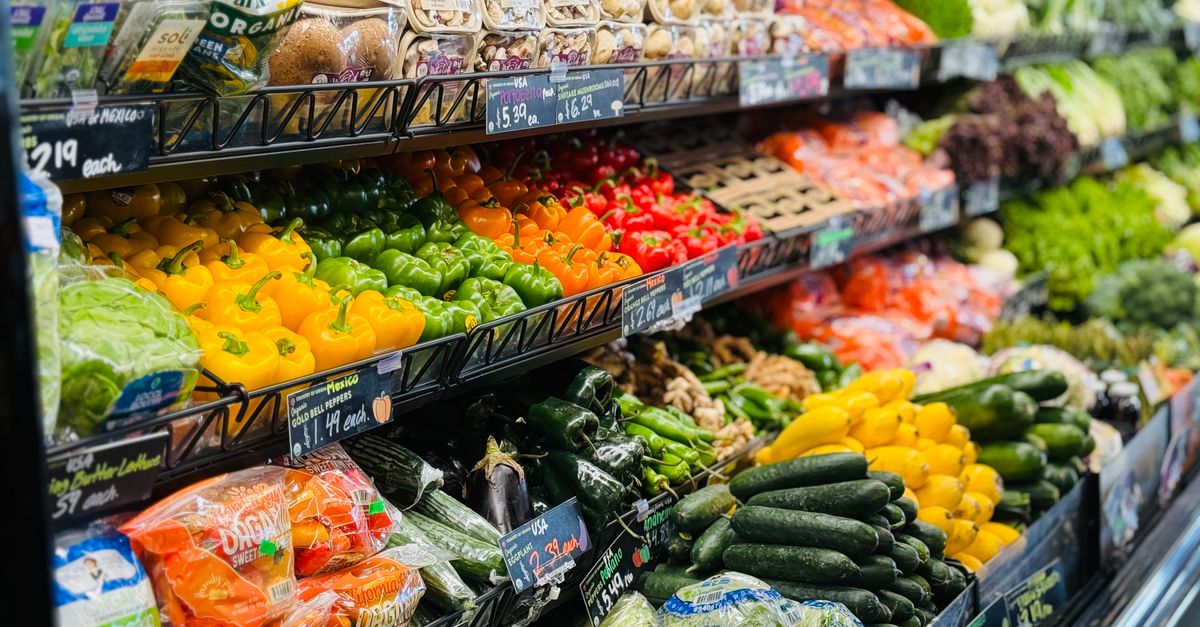
- Bell peppers (any color)
Aim for variety. Rotating through three to five types daily ensures balanced nutrition and prevents boredom. The House Rabbit Society recommends 1–2 packed cups of greens per five pounds of body weight, offered once daily or split between morning and evening.
One common question: Can rabbits eat dark leafy greens like kale, spinach, or Swiss chard? Yes, but limit them to 2–3 times weekly. These greens are high in oxalates (spinach, chard) or goitrogens (kale), which in large quantities can stress the kidneys or interfere with thyroid function. A rabbit with a history of bladder stones should avoid high-oxalate greens entirely.
The limited tier: Starchy vegetables as treats

Carrots, parsnips, broccoli, cauliflower, peas, pumpkin, and squash all carry starch or sugar that can disrupt cecal fermentation if overfed. Offer these no more than 1–2 times weekly, in portions the size of one to two baby carrots.
The carrot myth is worth dismantling. A medium carrot is high in both sugar and starch — feed it daily and you’ll accelerate obesity, dental disease (rabbits’ teeth grow continuously; soft, sugary foods don’t provide the wear they need), and dysbiosis. Carrots are treats, not staples. One to two baby carrots twice a week is the upper limit for most rabbits.
Broccoli and cauliflower deserve a note: they can cause gas. Some rabbits tolerate them fine; others bloat. Introduce any new vegetable slowly over 7–10 days, watching for soft stool or reduced appetite.
Plants and vegetables to avoid
The ASPCA Poison Control database lists these as toxic to rabbits:
Never feed:
- Avocado (persin toxin causes GI upset and potentially heart damage)
- Onions, garlic, leeks, chives (cause hemolytic anemia)
- Rhubarb leaves, tomato leaves, potato leaves (solanine poisoning)
- Chocolate, coffee, tea (theobromine and caffeine toxicity)
Toxic ornamental plants often found in homes:
- Foxglove, daffodil, azalea, rhododendron
- Dieffenbachia, philodendron, peace lily, English ivy, jade plant
Not toxic, but unsuitable:
- Iceberg lettuce: 99% water, zero nutritional value. It won’t poison your rabbit, but it crowds out foods that actually matter. Feeding iceberg as the primary vegetable is how rabbits end up malnourished.
- Corn kernels, seeds, nuts: choking hazard and impaction risk
- Dried beans: cause severe GI upset
If your rabbit free-roams, audit your houseplants. Even non-lethal plants like pothos or philodendron cause mouth irritation and vomiting.
Common myths, corrected
Myth 1: “All leafy greens are the same.”
Not remotely. Romaine offers fiber and hydration. Spinach is high in oxalates and should be limited. Iceberg is safe but nutritionally useless. Kale has goitrogens. The “leafy green” category spans a wide nutritional range.
Myth 2: “Vegetables are essential; hay is just filler.”
Backwards. Hay is the diet. The bacterial fermentation that keeps rabbits alive depends on long-strand fiber from hay. Vegetables add vitamins and variety, but they’re secondary. Marketing images of rabbits surrounded by carrot piles have done real harm here.
Myth 3: “One bite of avocado will kill a rabbit.”
Avocado is toxic and should never be fed, but small accidental exposure rarely causes death. Small amounts may trigger GI upset; larger doses can be serious. If your rabbit steals a bite, call your vet. Don’t wait for symptoms.
Myth 4: “Rabbits instinctively know what’s safe.”
Domestic rabbits will chew baseboards, electrical cords, and toxic houseplants. They are not reliable judges of their own safety. You are.
When to see a vet
Emergency (go now):
- Suspected toxin ingestion
- No fecal pellets for more than 12 hours
- Severe diarrhea, tremoring, seizures, difficulty breathing
- Choking or mouth/throat swelling
Urgent (within 24 hours):
- Mild diarrhea after a diet change
- Lethargy lasting more than four hours
- Hunched posture, reluctance to move (early stasis warning)
Routine:
- Questions about introducing a new vegetable
- Mild bloating that resolves within six hours
Find an exotic vet before you need one. Most general-practice vets don’t stock rabbit-specific medications like cisapride (used for stasis) and may not recognize rabbit pain signals. Ask your vet directly: “How many rabbits do you see monthly?” If the answer is fewer than ten, find a specialist.
FAQ
Can rabbits eat cucumber?
Yes, in moderation. Cucumber is safe but mostly water — nutritionally similar to iceberg lettuce. Offer it as a hydrating treat in hot weather, not a diet staple.
Can rabbits eat celery?
Yes, but cut it into small pieces. The stringy fibers can cause choking or impaction if swallowed in long strands.
What should I do if my rabbit ate something toxic?
Call your vet or the ASPCA Poison Control hotline immediately. Do not wait for symptoms. Note what they ate, how much, and when. Bring the plant or packaging to the vet if possible.
How do I introduce a new vegetable safely?
Offer a small piece (one leaf or a tablespoon) and wait 24 hours. Watch for soft stool, bloating, or reduced appetite. If all is well, gradually increase the portion over 7–10 days. Only introduce one new food at a time so you can identify the culprit if something goes wrong.
The short version: unlimited hay, a rotating handful of high-fiber greens, and the occasional carrot as a treat. That’s the diet that keeps a rabbit’s gut bacteria happy, their teeth worn down, and their weight stable. If your rabbit seems unimpressed by this compared to the sugary-vegetable free-for-all they’d prefer, remember — you’re the one with opposable thumbs and access to veterinary research. Use them.
For readers setting up their first rabbit household, Best Rabbit Breeds for Beginners: 7 Calm, Friendly Picks covers breed selection once you’ve mastered the diet fundamentals.