
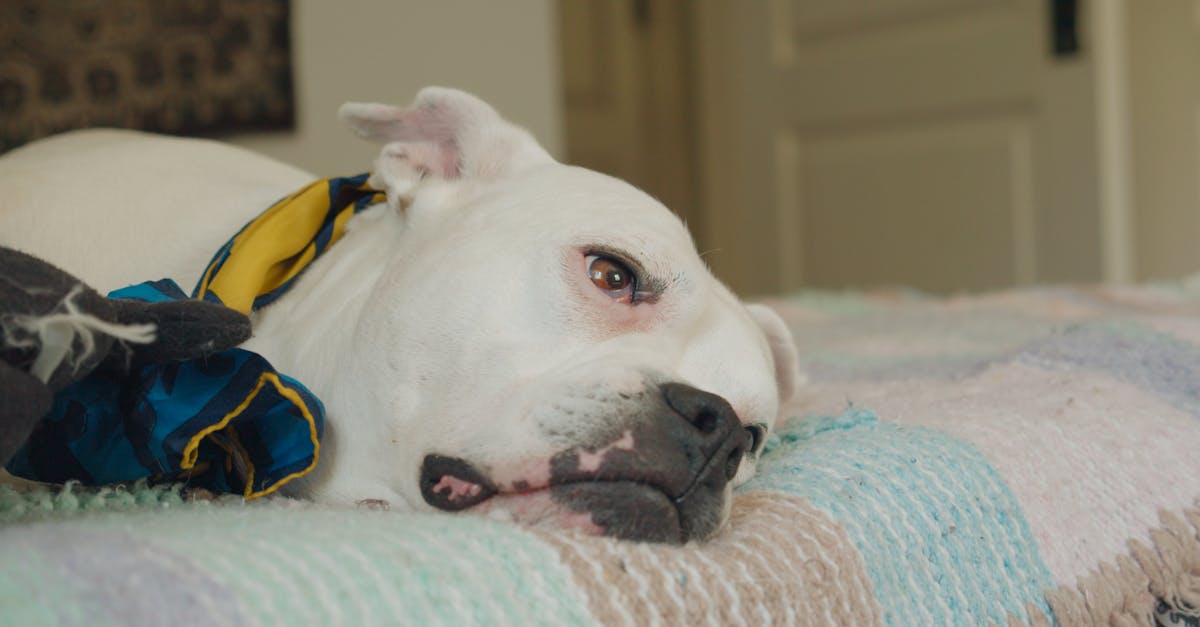
The internet will sell you a cooling bed for every dog you own. Most of them don’t need one. A healthy adult Lab in a 75°F house with access to water and shade will manage summer fine without gel pads or chilled mats. But a ten-year-old Bulldog panting through July in Phoenix? That’s a different story, and a cooling bed becomes part of the heat-safety toolkit, not optional gear.
The short version: Cooling beds are a veterinary-recommended tool for brachycephalic breeds (Bulldogs, Pugs, Boston Terriers), senior dogs, overweight dogs, and those with cardiac or respiratory conditions. They help reduce body surface temperature and work best combined with shade, hydration, and climate control. For healthy adult dogs in temperate climates, they’re a nice-to-have, not a necessity. The AVMA flags heat stress risk for these at-risk populations specifically — not all dogs universally.
Does your dog actually need a cooling bed?
Before comparing products, figure out if your dog is heat-sensitive:
High-need dogs:
- Brachycephalic breeds (Bulldogs, Pugs, Shih Tzus, Boston Terriers) — compromised airways mean poor cooling efficiency
- Senior dogs (7+ years) — slower thermoregulation response
- Overweight or obese dogs — insulation traps heat
- Dogs with cardiac, respiratory, or neurological conditions
- Thick double-coated breeds in hot climates (Huskies, Golden Retrievers, German Shepherds)
- Very young puppies (under 8 weeks)
Low-need dogs:
- Healthy adults in temperate climates (70–80°F)
- Dogs with indoor access during peak heat (10 a.m.–4 p.m.)
- Dogs with effective shade, water, and behavioral heat management already in place
If your dog isn’t in the high-need group and you’re managing heat through indoor time and water access, save your money. If they are, a cooling bed becomes one part of a broader strategy — not insurance against heat stroke, but a measurable assist.
Cooling bed technology: what actually works
Not all cooling beds work the same way. Here’s the trade-off matrix for the four main types:
| Type | Cooling duration | Maintenance | Cost | Best for | Main downside | |---|---|---|---|---| | Gel pads | 2–4 hours | Spot-clean; avoid freezing | $50–$150 | Dogs that move often; outdoor use | Shorter cooling; rupture risk | | Water beds | 4–8+ hours (if chilled) | Leak risk; requires refrigeration | $60–$300+ | Dogs that stay put; severe heat sensitivity | Bulky; puncture risk; prep time | | Evaporative pads | 2–3 hours | Re-soak every 2–3 hours | $30–$80 | Budget option; outdoor spaces | Clammy feel; doesn’t work in humidity | | Airflow/fan beds | Continuous (while on) | Clean mesh; replace filters | $60–$200 | Brachycephalic breeds; humid climates | Requires power; fan noise |
Gel pads: quick cool-down, shorter duration
Gel-based cooling pads activate when the dog lies on them — no electricity, no freezing required. The gel stays cool for 2–4 hours, then needs 30–60 minutes off the bed to reset.
What works: Portable, low-maintenance, effective for afternoon naps or post-walk cool-downs. Dogs that shift positions frequently get repeated cool exposure.
What doesn’t: Durability is the weak point. Owner reports consistently flag ruptures after 8–12 months of daily use, especially with heavy dogs or outdoor placement. Seams are the failure point — inspect them regularly if your dog is over 50 pounds or a chewer.
Lifespan: 1–2 years with average use; 6–12 months with heavy wear.
Water beds: sustained cooling for serious heat sensitivity
Water-based beds rely on chilled water (either passively cooled or refrigerated before use). Some models include active chilling systems, but most require freezing or refrigeration prep.
What works: Longest cooling duration (4–8+ hours if properly chilled). A senior German Shepherd owner reported: “Won’t leave it on hot nights. Worth every penny.” These are the heavy-duty option for dogs with documented heat intolerance.
What doesn’t: Hassle factor. You’re freezing the bed every morning, waiting 20 minutes for it to cool enough to use, and hoping your dog doesn’t puncture it. Leaks are the primary failure mode. One active-chilling model user called the prep time “real” — this isn’t grab-and-go gear.
Lifespan: 2–3 years if undamaged; leaks cut that short.
Evaporative pads: budget outdoor option with climate limits
Evaporative cooling pads absorb water and release heat through evaporation. You soak them, the dog lies on them, they stay cool for 2–3 hours. Repeat.
What works: Cheap ($30–$80), effective in dry climates, good for decks or patios where you can hose them down mid-day.
What doesn’t: Humidity kills the effect. A Florida owner called it “pointless” in summer humidity. They also get clammy, and some dogs avoid them for that reason. Mildew and mustiness are common after one season of outdoor use.
Lifespan: One season, maybe two if you’re diligent about drying and storage.
Airflow beds: best for brachycephalic breeds
Elevated mesh beds with airflow underneath (fan-assisted or passive ventilation). The cooling comes from air circulation, not cold contact.
What works: Brachycephalic breeds benefit most because airflow aids the cooling they can’t achieve through panting alone. One Pug owner: “Breathes better on it than on regular beds. Not ice-cold, but he’s more comfortable.”
What doesn’t: Fan noise. One anxious dog owner returned it because the noise triggered stress. Also requires electricity, which limits placement, and the cooling effect is less dramatic on extremely hot days compared to gel or water.
Lifespan: 2+ years; depends on fan motor quality.
Durability reality check: what breaks and when
Most cooling bed reviews bury the failure data. Here’s what actually happens:
Gel pads: Rupture at seams (8–12 months with daily use). Outdoor placement accelerates this. If your dog is over 60 pounds, expect shorter life. Gel leakage is usually non-toxic, but verify the product is certified pet-safe if your dog chews.
Water beds: Punctures from claws, chewing, or rough surfaces. Owners report 2–3 years if the dog isn’t a chewer and the bed stays on carpet or smooth flooring. Concrete patios are a death sentence.
Evaporative pads: Mold and mildew after one season of outdoor use. Indoor-only pads last longer but still degrade from repeated soaking. Budget for replacement every 1–2 summers.
Airflow beds: Fan motor failure is the main issue; mesh holds up well. Expect 2+ years unless the fan is cheaply made.
What the marketing won’t tell you

Myth: All dogs need a cooling bed in summer.
False. The ASPCA’s heat stroke guidance identifies specific at-risk populations. Healthy adults in temperate climates with proper shade and water don’t need one.
Myth: A cooling bed can prevent heat stroke.
Misleading. Cooling beds can help at-risk dogs stay more comfortable, but they cannot prevent heat stroke if the environment is dangerously hot or the dog is over-exercised in heat. Heat stroke prevention is behavioral: shade, water, indoor time during peak heat. Cooling beds supplement that for at-risk dogs; they don’t replace it.
Myth: Gel pads work better than water beds.
Depends. Gel pads cool faster but for shorter periods. Water beds sustain cooling longer but require prep. Neither is universally better — match the technology to your dog’s behavior (stays put vs. moves often) and your tolerance for maintenance.
Myth: Cooling beds replace air conditioning.
Absolutely not. A cooling bed on a 95°F floor will not prevent heat stress. It works best indoors with climate control or in shaded outdoor spaces, not as a substitute for AC.
When to see a vet
If your dog has pre-existing cardiac, respiratory, or neurological conditions, ask your vet whether a cooling bed is appropriate before buying one. Overweight dogs may need cooling beds as part of a broader heat-safety or weight-management plan — consult your vet.
Heat stroke symptoms (immediate emergency vet care required):
- Excessive panting or difficulty breathing
- Drooling, retching, vomiting
- Glazed eyes, red gums
- Confusion, stumbling, loss of coordination
- Collapse or unconsciousness
- Body temperature above 104°F
Heat stroke is a medical emergency. Even if symptoms resolve, internal organ damage may occur. Do not attempt home cooling alone — get to an emergency vet.
Which cooling bed for which dog

For brachycephalic breeds (Bulldogs, Pugs, Boston Terriers):
Airflow beds or gel pads. Airflow aids the cooling they struggle with; gel pads provide quick relief after walks. Budget: $60–$150.
For senior dogs or dogs with heat intolerance:
Water beds. Sustained cooling for dogs that stay in one spot. Budget: $100–$300. Expect 2–3 years if leak-free.
For outdoor use or budget-conscious owners:
Evaporative pads. Works in dry climates, fails in humidity. Budget: $30–$80. Replace every 1–2 seasons.
For healthy adults in mild climates:
Probably none. Invest in shade, water, and indoor time during peak heat instead. If you do buy one, gel pads are the most versatile. Budget: $50–$100.
The honest close
Most dogs don’t need a cooling bed. The ones that do — brachycephalic breeds, seniors, overweight dogs, those with underlying conditions — benefit measurably, but only when the bed is paired with shade, water, and behavioral heat management. A cooling bed is part of a strategy, not a standalone solution. If you’re buying one, match the technology to your dog’s behavior and your climate. Gel pads for dogs that move; water beds for severe heat sensitivity; evaporative pads only in dry climates; airflow beds for brachycephalic breeds. And if your dog shows any signs of heat stress, the answer isn’t a better cooling bed — it’s a vet visit.
For more seasonal dog gear, see outdoor dog bed waterproof for patio setups or orthopedic dog beds senior dogs if your senior dog needs joint support along with cooling.