

Your cat has declared war on your couch. The arm is shredded, the corner fabric hangs in strips, and no amount of stern looks has made any difference. Here’s the thing: your cat isn’t being spiteful or ignoring your rules—they’re doing exactly what their body tells them to do.
Scratching is a neurobiological necessity. It maintains claw health, stretches the shoulders and back, marks territory through scent glands in the paws, and provides stress relief. The goal isn’t to stop scratching—it’s to redirect it to appropriate surfaces. That requires a layered approach: multiple scratching options, strategic deterrents, and realistic patience.
What you’ll need
Scratching surfaces:
- At least 2–3 scratching posts or pads (mix of vertical and horizontal)
- Variety of textures: sisal rope, cardboard, carpet, or natural wood
- One tall post (minimum 30 inches for full-body stretch)
Deterrents:
- Double-sided tape or commercial furniture tape
- Citrus spray or motion-activated air deterrent (optional)
Training aids:
- Cat treats
- Catnip or silvervine (if your cat responds)
- Nail clippers
Optional:
- Soft nail caps (e.g., Soft Paws) if you need a temporary stopgap
Before you start
Scratching is normal. Cats always scratch. The question is where.
A sudden increase in scratching—especially paired with other symptoms—can signal medical problems that need veterinary attention before you assume this is purely behavioral. According to Cornell Feline Health Center, conditions that present as excessive scratching or paw attention include:
- Fleas or ear mites: Look for thin fur patches, scabs, dark debris in ears, or scratching focused around the head and neck
- Food allergies or atopic dermatitis: Often shows as scratching plus licking or biting at paws, belly, or face
- Parasites (cheyletiella, demodex): May cause flaky skin, visible “walking dandruff,” or localized hair loss
- Hyperthyroidism: Overgrooming and scratching paired with weight loss, increased appetite, or hyperactivity in older cats
- Psychogenic alopecia: Stress-induced overgrooming that creates bald patches, usually symmetrical on flanks or belly
If your cat is scratching their own body excessively, licking raw spots, or if scratching furniture spiked suddenly alongside other behavior changes, see a vet first. This guide addresses normal scratching behavior redirected to inappropriate surfaces.
Never punish a cat for scratching. Yelling, water sprays, or physically moving their paws create stress and anxiety, which usually makes scratching worse. You’re redirecting instinct, not correcting defiance.
Step 1: Provide multiple appropriate scratching surfaces
Cats don’t have a single scratching preference. Some like vertical posts; others prefer horizontal cardboard. Some want sisal rope; others go straight for carpet or bare wood. You won’t know until you offer options.
Start with at least one tall vertical post (30+ inches, sturdy base) and one horizontal scratcher. Add a third if you have space—perhaps a wall-mounted sisal pad or angled cardboard ramp. The ASPCA recommends one scratcher per cat plus one extra.
What success looks like: Your cat investigates at least one new scratcher.
Step 2: Position scratchers near targeted furniture
Cats scratch where it’s convenient and appealing. If your couch is the most accessible scratching surface, that’s what they’ll use. Place a new post directly next to the targeted furniture—within a foot.
Also position scratchers near sleeping spots. Cats stretch and scratch right after waking. A post near their favorite nap spot gets used.
Once your cat consistently uses the post for 3–4 weeks, gradually move it a few inches at a time to a permanent location.
What success looks like: The scratcher is visible and in your cat’s path when approaching the couch.
Step 3: Train your cat to use the scratching post

Don’t physically place your cat’s paws on the post or force scratching. That creates a negative association.
Instead, make the post appealing. Rub catnip or silvervine into the sisal (about 60–70% of cats respond to catnip; silvervine works for some non-responders). Dangle a toy near the post so claws naturally catch the surface during play. When your cat does scratch it—even once—immediately reward with a treat and calm praise.
Consistency matters. Every time your cat approaches the furniture to scratch, redirect to the post. Reward every correct use for the first two weeks.
What success looks like: Your cat scratches the post at least once or twice in the first week, even if they still prefer the couch.
Step 4: Deter the furniture
While training the post, make the furniture less appealing. Apply double-sided tape or commercial furniture tape (Sticky Paws is a common brand) to targeted areas. Cats dislike the tacky texture.
For cats who ignore tape, try a citrus-scented deterrent spray or motion-activated air canister (e.g., SSSCAT). The air releases a harmless puff when your cat approaches—startling but not painful. Aim at the furniture corner, not the cat.
Leave deterrents in place for 4–6 weeks minimum, then remove gradually once scratching-post habits form.
What success looks like: Your cat approaches the couch, encounters the deterrent, and turns away.
Step 5: Trim nails regularly
Shorter nails do less damage, even if your cat still scratches occasionally. Trim every 2–4 weeks, removing just the sharp tip. If you’ve never trimmed cat nails, ask your vet or groomer to demonstrate first—it’s straightforward once you know to avoid the quick (the pink part inside the nail).
Regular trimming also makes nail caps more comfortable if you use them.
What success looks like: Nails are blunt; furniture damage decreases even before behavior fully shifts.
Step 6: Consider nail caps as a temporary measure
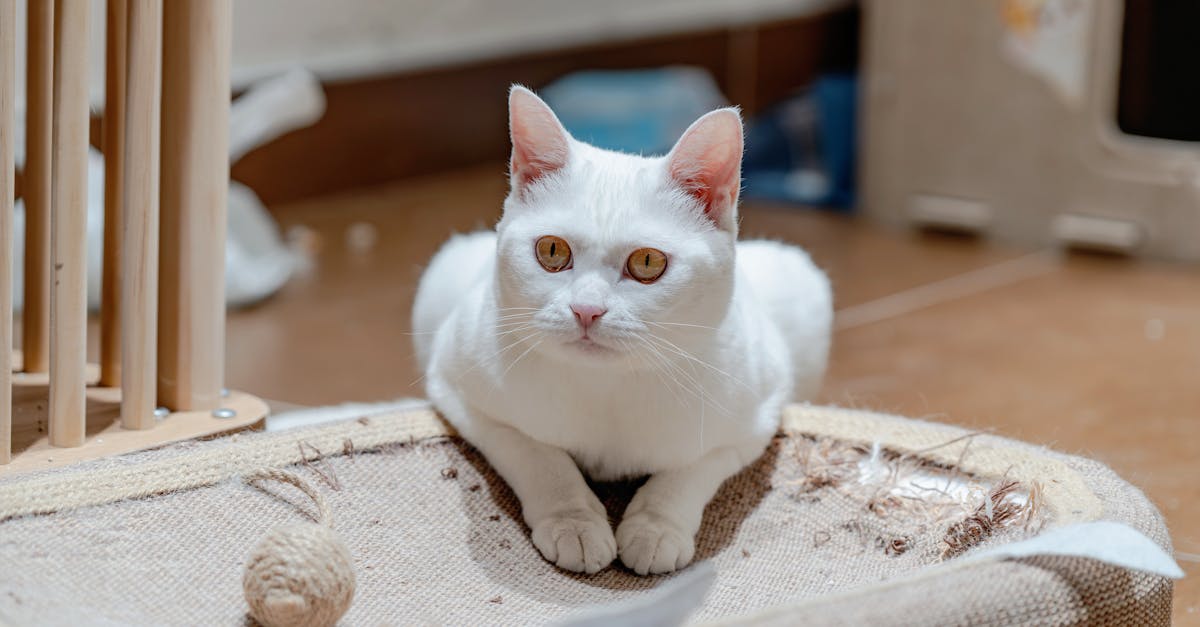
Soft nail caps are small plastic sheaths glued over claws. They’re safe, painless, and last 4–6 weeks before shedding naturally with the outer nail. Some cats ignore them; others spend day one trying to chew them off, then give up.
Nail caps don’t replace scratching surfaces. Your cat still needs to scratch—the caps just prevent damage while you’re training the posts.
Have a groomer or vet apply the first set if you’re unsure about sizing or application. Incorrect placement causes discomfort.
What success looks like: Caps stay on for 3–4 weeks; furniture damage stops even if scratching continues.
If your cat still prefers the furniture after 4 weeks
Some cats redirect within two weeks. Others take 6–8 weeks, and a few are stubborn enough to outlast your patience. If you’ve been consistent for a month and your cat is still choosing the couch over the post, work through this decision tree:
Try different textures. Cats have strong individual preferences. If you’ve only offered sisal, try cardboard, carpet, or natural wood. Horizontal scratchers appeal to cats who ignore vertical posts. Some cats want rough bark texture; others prefer smooth tight weave. International Cat Care notes that scratching-surface preference is often learned early in kittenhood, so a cat raised with cardboard boxes may never love sisal.
Rotate deterrent types. Tape fatigue is real. A cat who avoided the taped couch arm for three weeks may start testing it again. Switch to a motion-activated air spray, add a textured plastic runner (upside-down office chair mat works), or layer deterrents. Change keeps the furniture unappealing.
Investigate environmental stressors. A spike in scratching often signals anxiety. New household member, schedule disruption, construction noise, outdoor cats visible through windows—all trigger territorial marking through scratching. Address the stressor if possible (block the window view, add vertical space, increase play sessions). Environmental enrichment strategies in How to Stop Your Cat from Waking You Up at Night apply here.
Check post stability. A wobbly post doesn’t get used. Your cat needs to lean their full weight into a scratch. If the post tips or slides, it fails. Anchor tall posts to the wall or add a heavier base.
Choosing scratch-resistant furniture for the future
If you’re replacing shredded furniture or buying new pieces, fabric choice makes a real difference. Tightly woven fabrics and certain materials resist claw damage better than others:
Harder to shred: Tight leather (bonded leather delaminates easily, but full-grain holds up), microfiber, canvas, denim, tightly woven synthetic blends. These fabrics either lack loose threads for claws to catch or are dense enough that surface scratches don’t pull.
Easy to shred: Loose-weave linen, velvet, chenille, boucle, any fabric with a looped or nubby texture. Claws catch and pull threads, creating immediate visible damage.
Scratch-resistant doesn’t mean scratch-proof. A determined cat will mark any surface. But choosing durable fabrics buys you time and reduces damage while you’re training appropriate scratching behavior. Leather also wipes clean easily if you’re dealing with multiple cat-related furniture challenges.
When to call a vet
If scratching increases suddenly or your cat is licking, biting, or overgrooming their paws, see a vet. Fleas, mites, allergies, and dermatitis all cause excessive scratching and self-trauma. A vet can rule out parasites and skin conditions before you assume the problem is behavioral.
If scratching is paired with other behavior changes—aggression, litter box avoidance, hiding—ask your vet for a referral to a veterinary behaviorist. Stress-related scratching sometimes needs professional assessment, especially if environmental enrichment and multiple scratcher options haven’t helped.
FAQ
Why do cats scratch furniture instead of scratching posts?
Furniture is often more accessible, stable, and in a high-traffic area where cats want to mark territory. Posts that are too short, wobbly, or hidden don’t compete. Cats also have strong texture preferences—your cat might prefer the couch fabric over the sisal post. According to the Merck Veterinary Manual, scratching serves both physical maintenance (claw conditioning, stretching) and communication (visual and scent marking), so location and surface visibility matter as much as texture.
What’s the best scratching post to stop a cat scratching the couch?
There’s no single best post. Cats vary. A tall (30+ inches), stable vertical post with sisal works for many. Others prefer horizontal cardboard or carpet. Offer multiple textures and orientations, positioned near the couch initially, and let your cat tell you what they like.
Are nail caps safe for cats?
Yes, when properly fitted. Soft Paws and similar brands are plastic sheaths glued over claws. They shed naturally every 4–6 weeks and don’t interfere with retraction. Some cats tolerate them easily; others dislike the sensation. Have a groomer or vet apply the first set if you’re unsure about sizing.
How long does cat scratching post training take?
Most cats show behavior shifts within 3–4 weeks of consistent redirection and positive reinforcement. Some take 6–8 weeks, especially if scratching is stress-related or if you haven’t matched the cat’s texture preference yet. Patience and multiple scratcher options improve success. If you’re not seeing any progress after a month, revisit texture variety, post stability, and environmental stressors.
Your cat isn’t wrecking your couch out of spite. They’re doing what their body is built to do. The couch you have now might not recover, but with the right scratching surfaces, consistent deterrents, and enough time, the next piece of furniture will survive. And if you’re buying that next couch soon, choose a tight-weave fabric—it won’t stop scratching, but it’ll hold up better while your cat learns where the scratch zone actually is.
For related behavior challenges, see Why Does My Cat Bite Me? Understanding Feline Biting Behavior and more on how to stop your cat from waking you up at night. If you’re comparing scratching post options or deterrent products, best cat scratching posts has a detailed breakdown.