
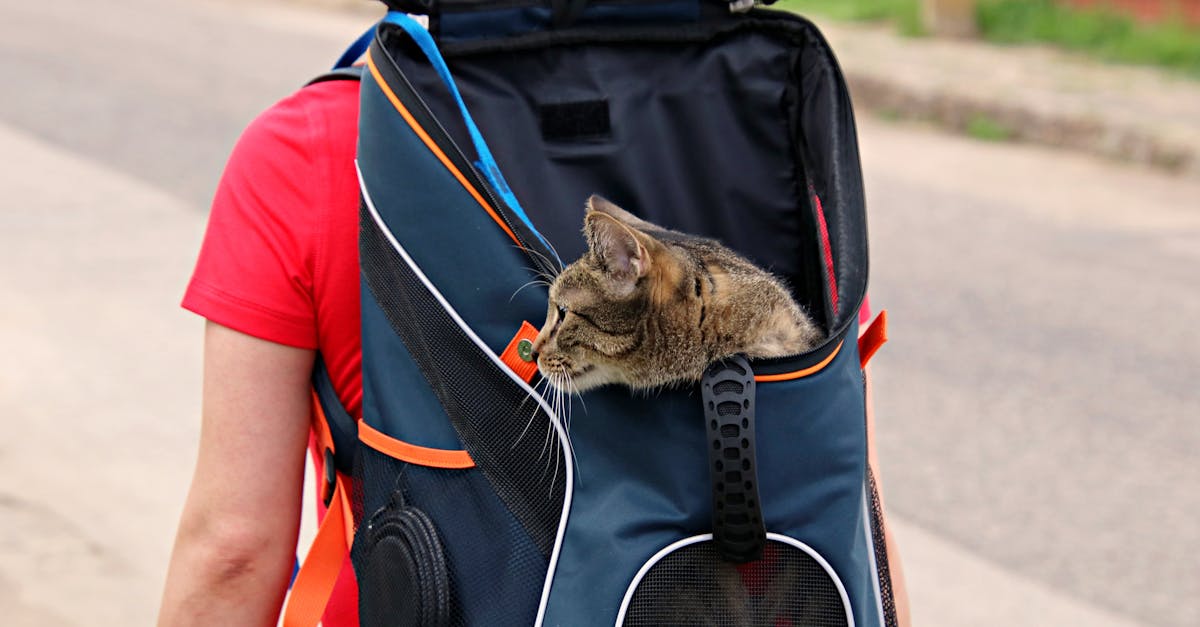
The yowling usually starts before the car even moves. I’ve watched my senior cat freeze, pupils blown wide, the moment the carrier door closes — and she’s made this trip a dozen times. Car travel with cats isn’t about making them love the ride. It’s about managing a genuine sensory and behavioral stressor so the trip is tolerable instead of traumatic.
Most cats will never enjoy car trips. Their inner ear balance system (the vestibular apparatus) makes motion and acceleration genuinely disorienting, and the loss of familiar territory triggers stress responses that no amount of coaxing can override. But with gradual desensitization, the right carrier setup, and sometimes veterinary support, you can make car trips with cats safer and far less distressing for everyone involved.
What you’ll need
Tools:
- Well-ventilated hard-sided or soft-sided carrier (sized for your cat to stand, turn, and lie flat)
- Seat belt or cargo restraint system compatible with the carrier
- Pheromone spray (Feliway or similar)
- Absorbent liner or disposable pee pad for the carrier floor
Materials:
- Familiar bedding or a worn T-shirt (your scent)
- Small, spill-proof water dish (for longer trips)
- Travel litter box (for trips over 2 hours)
- Treats your cat reliably likes
Prerequisites:
- Pre-travel vet visit if your cat has a history of extreme anxiety, motion sickness, or is a senior with health conditions
- At least 2-3 weeks before the actual trip for desensitization (if this is the first or a rare car trip)
Before you start
If your cat has never been in a car, or if past trips involved panic (continuous yowling, panting, drooling, refusal to eat for 12+ hours afterward), talk to your vet before attempting a long trip. Some cats experience motion sickness independent of anxiety, and others have stress responses severe enough to warrant anti-anxiety medication like gabapentin or trazodone. These are not available over the counter — never use Benadryl or other OTC sedatives without explicit veterinary guidance, as dosing varies wildly by weight and can be dangerous.
Step 1: Choose and prepare the right carrier
Not all carriers are equal for car travel. Your cat needs to stand without crouching, turn around, and stretch out flat. For most adult cats, that means a carrier at least 24 inches long, 16 inches wide, and 14-16 inches tall. If your cat is large or long-bodied, go bigger.
Hard-sided carriers are sturdier in a crash and easier to secure with seat belts. Soft-sided carriers are lighter and easier to carry into a building, but check that the frame won’t collapse if the cat presses against the sides.
Look for:
- Top and front entry (top entry lets you lower a reluctant cat in without forcing them through a tunnel)
- Ventilation on at least three sides
- Seat belt loops or slots (essential — the carrier must be restrained, not loose on a seat)
Spray the inside with a feline pheromone product (pheromone sprays are commonly recommended by veterinarians for reducing anxiety) 15 minutes before introducing your cat. Line the bottom with something absorbent and something that smells like home.
Step 2: Desensitize to the carrier indoors (Week 1)
Leave the carrier out in a common area with the door open and a high-value treat inside. Don’t force interaction. Let your cat investigate on their own terms. Feed meals next to or inside the carrier. The goal: the carrier becomes furniture, not a threat.
By the end of Week 1, your cat should enter the carrier voluntarily for food or to nap. One of mine took four days; another took eleven and still side-eyed it.
Step 3: Introduce the stationary car (Week 2)

With the car parked in your driveway or a quiet spot, place the secured carrier (with your cat inside) on the back seat and sit with the door open. Stay for 5 minutes. Offer a treat. Then bring the cat back inside.
Repeat daily, gradually increasing the time to 10-15 minutes. Close the car doors (but don’t start the engine) once your cat is calm during the open-door sessions.
Next, start the engine but don’t drive. Let it idle for 5 minutes. Watch for signs of distress: panting, drooling, yowling, or attempts to escape the carrier. If your cat shows these signs and they don’t subside within a few sessions, consult your vet about medication before moving forward.
Step 4: Take short, low-stakes drives (Week 3)
Start with a 2-3 minute drive around the block. No destination, no stress. Return home, offer a treat or play session immediately. Repeat every other day, extending the drive by a few minutes each time.
The point is not to make your cat enjoy this — it’s to reduce the panic response. Even after weeks of desensitization, my middle-aged scaredy-cat still mutters complaints on every drive, but she’s stopped the full-throated yowling that used to last the entire trip.
Step 5: Prepare for the actual trip
On the day of travel:
- Secure the carrier to the seat belt or cargo area using the restraint loops. A loose carrier becomes a projectile in a crash.
- Never leave your cat alone in a parked car, even with windows cracked. Interior temperatures can become dangerously hot within minutes.
- Offer water during stops (not while driving — it will spill and stress everyone).
- If the trip exceeds 2 hours, bring a small litter box and offer it during a stop in a secure, enclosed space (never in an unfamiliar outdoor area where a panicked cat could bolt).
For trips over 4 hours, plan a midpoint break in a safe location where you can let your cat stretch in the carrier but not roam loose.
Step 6: Manage the arrival
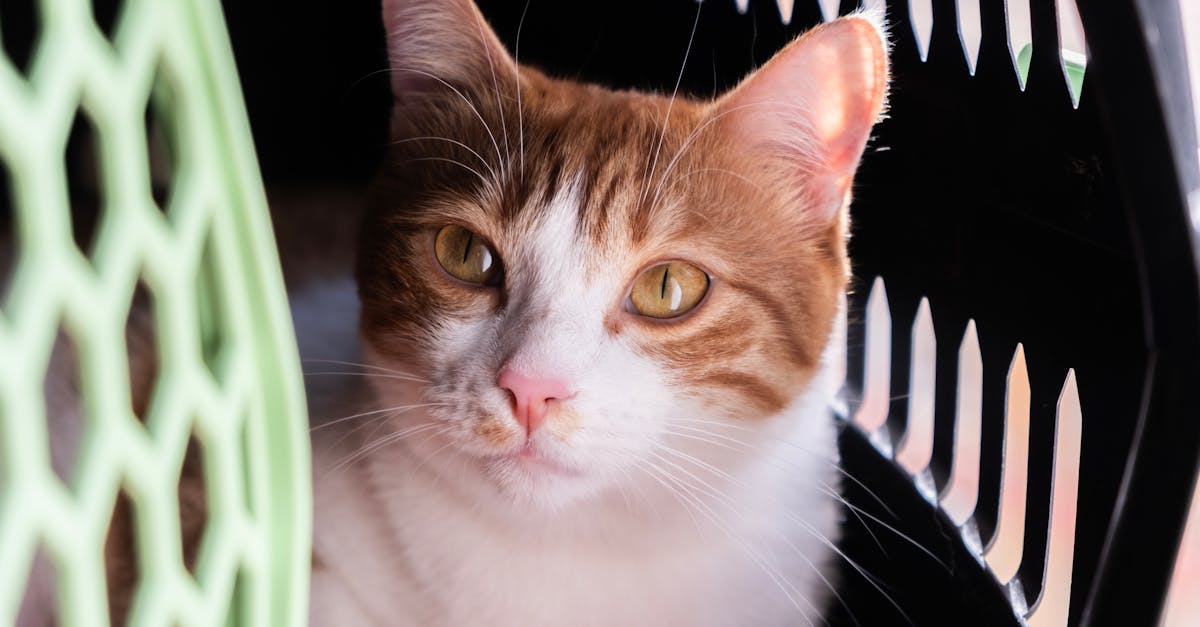
The destination — vet clinic, new home, boarding facility — is often more stressful than the car ride itself. Keep the carrier covered with a light blanket during the transition from car to building. Speak calmly but don’t over-soothe (your anxious tone can amplify their stress).
Once inside, open the carrier in a quiet, enclosed room and let your cat exit on their own timeline. Don’t pull them out.
Why cats hate cars (and why that matters)
Understanding the physiology helps. Cats rely on a sensitive vestibular system in the inner ear for balance and spatial orientation. The motion, acceleration, and vibration of a moving car disrupt that system, creating genuine disorientation — not just fear. Add the sensory overload of engine noise, passing sirens, visual blur from windows, and the complete absence of familiar scent markers, and you have a recipe for acute stress.
Research on feline stress responses shows that chronic or severe stress suppresses immune function and appetite. A car trip isn’t going to traumatize a cat for life, but repeated trips without desensitization or management can create anticipatory anxiety that makes each trip worse than the last.
This is also why sedation isn’t the answer. A sedated cat still experiences the vestibular disruption and sensory chaos — they just can’t express it or escape. Anxiety medication (prescribed by a vet) works differently: it reduces the brain’s stress response without erasing sensory input.
Troubleshooting
Problem: My cat vomits or drools excessively on short trips, even after desensitization.
This is likely motion sickness, not anxiety. Talk to your vet about anti-nausea medication like maropitant (Cerenia), which can be given before travel.
Problem: My cat refuses to enter the carrier after weeks of desensitization.
You may have progressed too quickly. Go back to Week 1 — feed all meals inside the carrier with the door open, no car involved. Consider a different carrier style (top entry vs. front entry). Some cats have strong carrier-type preferences.
Problem: My cat is silent during the trip but won’t eat or drink for 12+ hours afterward.
This suggests high stress even without vocal signs. Discuss anti-anxiety medication with your vet, and consider whether the trip is truly necessary. For some cats, boarding closer to home or hiring a pet sitter is less stressful than the car trip itself.
When to call a vet
- Before the first trip if your cat has a history of severe anxiety, is a senior with health conditions, or has shown signs of motion sickness in the past
- If desensitization stalls and your cat shows no improvement after 2-3 weeks of gradual exposure
- If you see extreme distress during a trip: persistent trembling, inability to breathe normally, dilated pupils that don’t return to baseline after the trip ends
- If your cat stops eating or drinking for more than 12 hours after a car trip
What works, what doesn’t
What helps:
- Gradual exposure over weeks, not days
- Pheromone sprays (moderate effect, worth trying)
- Vet-prescribed anti-anxiety or anti-nausea medication for cats with genuine panic or motion sickness
- A carrier that’s large enough and secured properly
What doesn’t:
- OTC sedatives (unsafe without vet dosing)
- “Forcing them to get used to it” with repeated long trips and no desensitization
- Letting your cat roam loose in the car (dangerous and illegal in some areas)
- Small carriers marketed as “airline approved” but too cramped for a 2+ hour trip
The reality is that some cats will tolerate car travel and some won’t, no matter what you do. The three-cat sample size in my apartment has taught me that: one now sleeps through short trips, one grumbles but copes, and one still treats every car ride like a minor betrayal. The goal isn’t to make them love it. It’s to make it safe, and as low-stress as biology allows.
For more on managing anxious cats in other contexts, explore general stress reduction. If your cat needs medication before the trip, our pill-giving guide will help. And for senior cats, check the senior cat care checklist for extra considerations like joint pain, kidney disease, and medication schedules.