

A tired dog is not always a well-behaved dog. I learned this the hard way fostering a young border collie mix who’d come back from two-hour trail runs and immediately shred a couch cushion. She wasn’t under-exercised—she was under-enriched. Her body was exhausted, but her brain had nothing to do.
This distinction matters. Physical exercise and mental stimulation serve different needs. According to the American Veterinary Medical Association, enrichment is a core component of canine welfare, separate from exercise. A dog can be physically worn out but mentally bored, which leads to anxiety, destructive behavior, and stress-related problems. The activities below address that gap—they give your dog’s brain work to do when their body is stuck indoors.
1. Puzzle feeders and slow-feed toys
Commercial puzzle feeders range from beginner-level wobble dispensers to advanced multi-step toys that require a dog to slide, lift, and spin components to access food. These turn mealtime into a 10- to 20-minute problem-solving session instead of a 30-second inhale.
Start with something easy—if the puzzle is too hard, your dog will give up and stress will increase instead of decrease. I’ve watched frustrated dogs abandon difficult puzzles entirely. The goal is engagement, not defeat. Once your dog solves a puzzle consistently in under two minutes, level up.
Who this works for: Any dog, but especially food-motivated dogs and those prone to gulping meals too fast.
2. Snuffle mats and scent work
A snuffle mat is a fabric mat with fleece strips knotted into a rubber base—you scatter kibble or treats into the strips, and the dog uses their nose to hunt for every piece. It mimics foraging behavior and can keep a dog engaged for 15 to 30 minutes depending on how much you hide.
Scent work doesn’t require special equipment, though. You can scatter treats in a clean towel bunched on the floor, hide kibble in the folds of a blanket, or toss a handful of food into tall grass in your yard (if you have one). The ASPCA identifies scent-based enrichment as particularly effective for mental stimulation because it taps into a dog’s primary sense and natural foraging drive.
Who this works for: All dogs, including seniors and low-energy breeds. Sniffing is naturally calming and doesn’t require physical exertion.
3. DIY sniff box (cardboard treasure hunt)
Take a cardboard box, crumple some paper or add safe packing material (avoid foam peanuts—choking hazard), and hide treats or kibble throughout. Let your dog rip into it to find the food. This is consumable enrichment—you throw the box away after, and the novelty resets every time.
I used this constantly with foster dogs during their decompression period. A dog adjusting to a new home is often too stressed for complex toys, but a sniff box is low-pressure, high-reward, and requires zero prior training. Rotate the container type (shallow box, deep box, paper bags) so it doesn’t become predictable.
Safety note: Supervise the first few times to make sure your dog is shredding and sniffing, not eating cardboard. Some dogs try to consume everything; if yours does, skip this one.
4. Frozen stuffed toys (Kongs and similar)

A frozen Kong stuffed with wet food, peanut butter, mashed banana, or plain yogurt can occupy a dog for 20 to 40 minutes. The effort required to extract frozen food keeps the brain engaged far longer than a plain chew.
Prep several at once and keep them in the freezer. I rotated three Kongs for a resource-guarding foster—I’d give her one mid-morning, one at lunch, and one before I left for errands. It gave her something to do that wasn’t fixating on the door or pacing.
Who this works for: Most dogs, but especially those left alone during the day or crated for management. Pair with a mat or crate so the dog learns “this is where good frozen things happen.”
5. Muffin tin puzzle game
Place a treat or kibble in each cup of a muffin tin, then cover each cup with a tennis ball. The dog has to nose or paw the balls out to get the food. It’s an inexpensive DIY puzzle that you can scale in difficulty by using fewer treats or mixing in some empty cups.
This was a go-to for a senior foster who couldn’t handle high-energy toys but still needed mental work. She’d spend 10 minutes gently nosing each ball out, methodical and satisfied. For a higher-energy dog, you can add complexity—hide the tin behind furniture, use different-sized balls, or freeze the treats in ice cubes inside the cups.
Who this works for: Seniors, low-energy dogs, and beginners to puzzle toys. Also works for dogs who destroy fabric or plastic toys—tennis balls are durable.
6. Towel roll foraging game
Lay a towel flat, sprinkle treats or kibble along its length, then roll it up. Your dog has to unroll or nose through the folds to access the food. This takes about 30 seconds to set up and 5 to 10 minutes for a dog to work through, depending on how tightly you roll it.
For dogs who catch on fast, braid three towels together with treats woven in, or roll the towel and then tie it in a loose knot. The goal is to keep it solvable but not instant.
Who this works for: Dogs who like to dig or shred but need a safe outlet. This redirects that behavior into something you actually want them doing.
7. Rotation calendar for enrichment toys
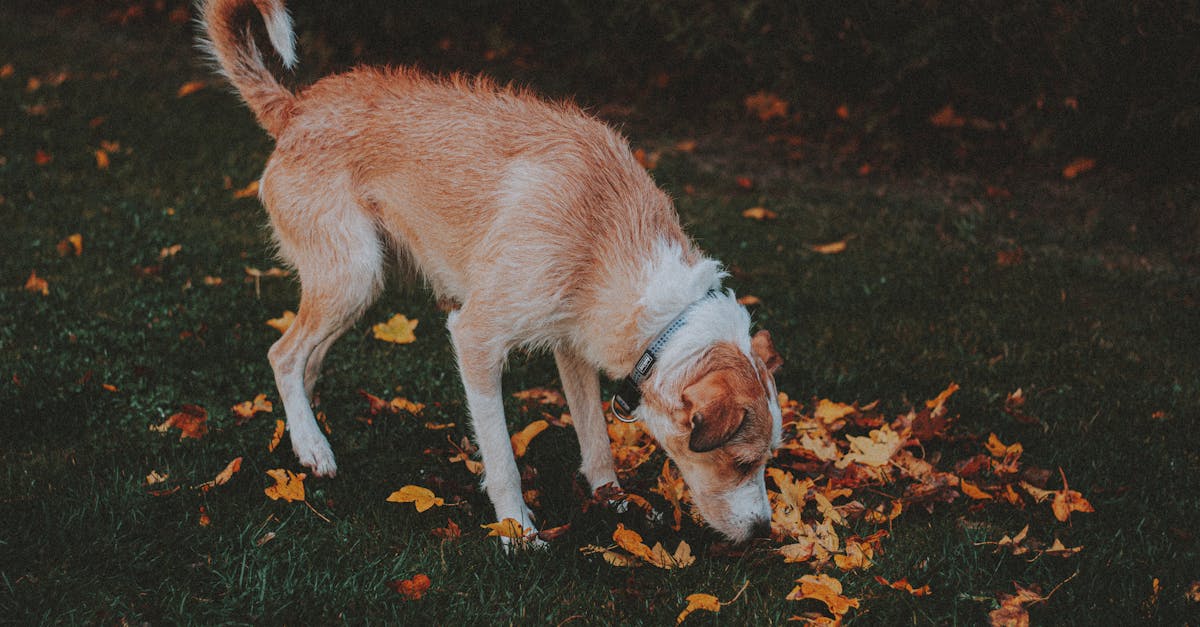
Novelty matters. Dogs habituate to the same toys left out all the time, which is why a toy your dog ignored for weeks suddenly becomes interesting again after you’ve hidden it for a few days. The American Kennel Club recommends rotating toys to sustain engagement.
Here’s a rotation system that works: Divide your dog’s enrichment toys into four groups. Each week, put out one group and store the others. By the time a toy cycles back into rotation four weeks later, it feels new again. I keep a small bin for “active” toys and a larger bin in the closet for “retired” toys waiting their turn.
Don’t rotate everything—leave one or two comfort items (a favorite chew, a specific plush) available at all times. Rotate the puzzle toys, Kongs, and novel items.
Who this works for: Any dog, but especially those who lose interest in toys quickly or have a large collection gathering dust.
8. Short training sessions as enrichment
Five to ten minutes of training—learning a new trick, practicing an old cue, working on loose-leash walking indoors—engages a dog’s brain as much as a puzzle toy. Training is mental stimulation.
I worked with a high-energy foster who would pace and whine during rainy days. We started doing three five-minute training sessions throughout the day—“place,” “wait,” and some basic nosework. She slept between sessions. It wasn’t the physical work that settled her; it was using her brain.
Who this works for: High-energy dogs, young dogs, and bored dogs who already know basic cues but need something harder.
9. Appropriately matched chew items
Not all chewing is enrichment, but appropriate chewing—where a dog works methodically on a long-lasting chew—absolutely is. Bully sticks, yak chews, frozen marrow bones (size-appropriate, never weight-bearing bones that can crack teeth), and rubber chew toys designed for strong chewers all qualify.
The key is matching the chew to your dog’s style. A power chewer needs something like a black Kong or a yak chew; a senior dog with worn teeth does better with softer rubber or a frozen towel to gnaw. Supervision matters here—if your dog tries to swallow large chunks, the chew isn’t right for them.
Safety note: Avoid cooked bones (they splinter), rawhide (choking and blockage risk), and anything small enough to swallow whole.
When to call a professional
If you’ve added enrichment and your dog’s destructive behavior, anxiety, or reactivity worsens instead of improving, consult your vet or a certified veterinary behaviorist. Enrichment helps prevent many behavior problems, but it’s not a fix for underlying medical pain, anxiety disorders, or behavioral issues that need professional assessment.
One foster I worked with escalated from mild chewing to shredding entire door frames when I first introduced enrichment. Turns out she had severe separation anxiety—enrichment helped once we addressed the underlying issue with a trainer, but it wasn’t a standalone solution.
Frequently asked questions
What if my dog won’t use puzzle toys?
Start easier. Many dogs ignore puzzles because they’re too difficult or the dog doesn’t understand the game yet. Begin with a snuffle mat or towel roll—something with an obvious reward and low barrier to entry. Once your dog gets the idea that “working for food = fun,” level up to beginner puzzles.
How often should I change my dog’s toys?
Rotate weekly if you’re using a four-group system, but watch your dog’s interest level. Some dogs habituate faster than others. If your dog ignores a toy after two days, pull it and swap in something from storage.
Is enrichment the same as play?
No. Play is interactive and often social (you and the dog, or two dogs together). Enrichment is an activity the dog does independently that engages their brain—puzzles, chewing, scent work, foraging. Both matter, but they serve different needs.
Enrichment isn’t about buying more toys—it’s about giving your dog’s brain something to do when their body can’t run. A 15-minute sniff box or frozen Kong does more for a bored, anxious dog than another lap around the block. Start with one or two activities from this list, watch what your dog gravitates toward, and build from there.