
The best first aid kit is the one you can find at 2 a.m. when your dog steps on glass or your cat tears a claw. A bin full of supplies shoved in a hall closet won’t help you when your hands are shaking and you’re trying to slow bleeding before the drive to the emergency vet.
This checklist focuses on what actually gets used in real emergencies: supplies organized by scenario, stored where you’ll remember them, with clear limits on when first aid buys you time and when you need to skip it entirely and go straight to the ER. First aid for pets is harm reduction while you get to professional care—it does not replace the vet.
I’ve fostered more than forty dogs, from seniors with health issues to young dogs with zero sense of self-preservation. The kits that worked were small, accessible, and built around the species I was caring for. The ones that didn’t work were comprehensive and useless.
What belongs in every pet first aid kit (regardless of species)
These emergency pet care supplies form the foundation, whether you have a dog, cat, or small mammal.
Your vet’s contact information and your nearest 24-hour emergency clinic’s address, printed on a card or taped inside the kit lid. During an emergency, you will not remember phone numbers. You will not want to search your phone. Write it down. Include your pet’s medical history—chronic conditions, current medications, known allergies—on the same card.
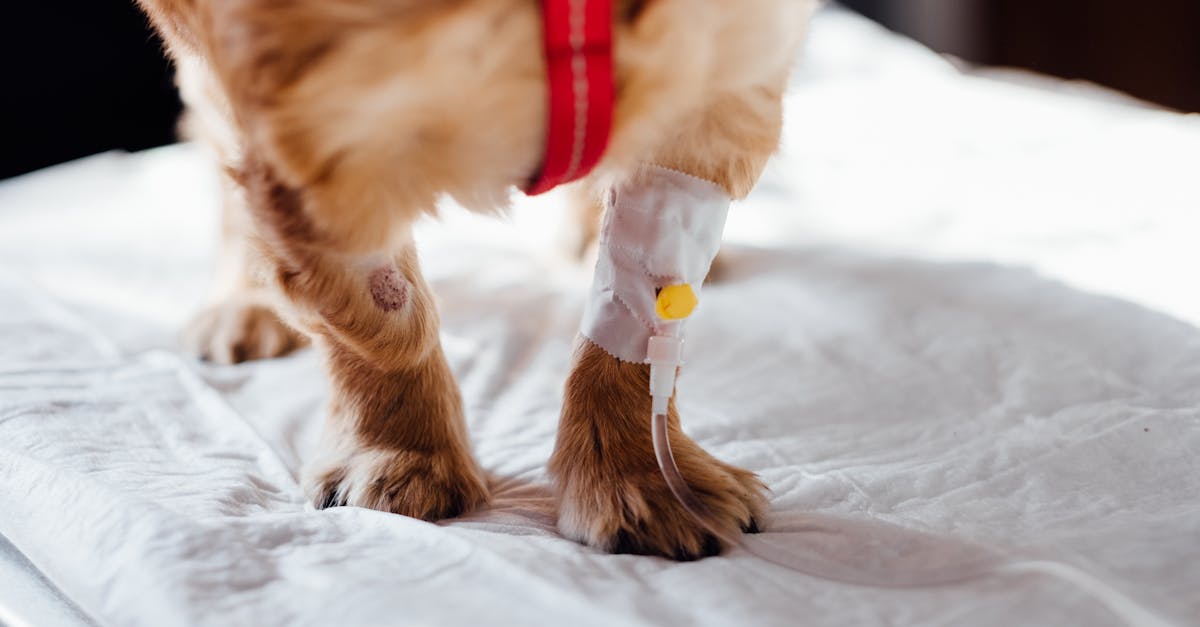
Sterile gauze pads and rolled gauze for controlling bleeding and protecting wounds. Bleeding is the most common reason you’ll open this kit. Direct pressure with clean gauze is what stops it. Keep a mix of sizes: small pads for paw cuts, larger squares for bigger wounds.
Self-adhesive bandage wrap (the kind that sticks to itself, not fur). This secures gauze without tape that pulls hair. For dogs and cats, regular adhesive bandages are nearly useless—they don’t stay on and they hurt to remove.
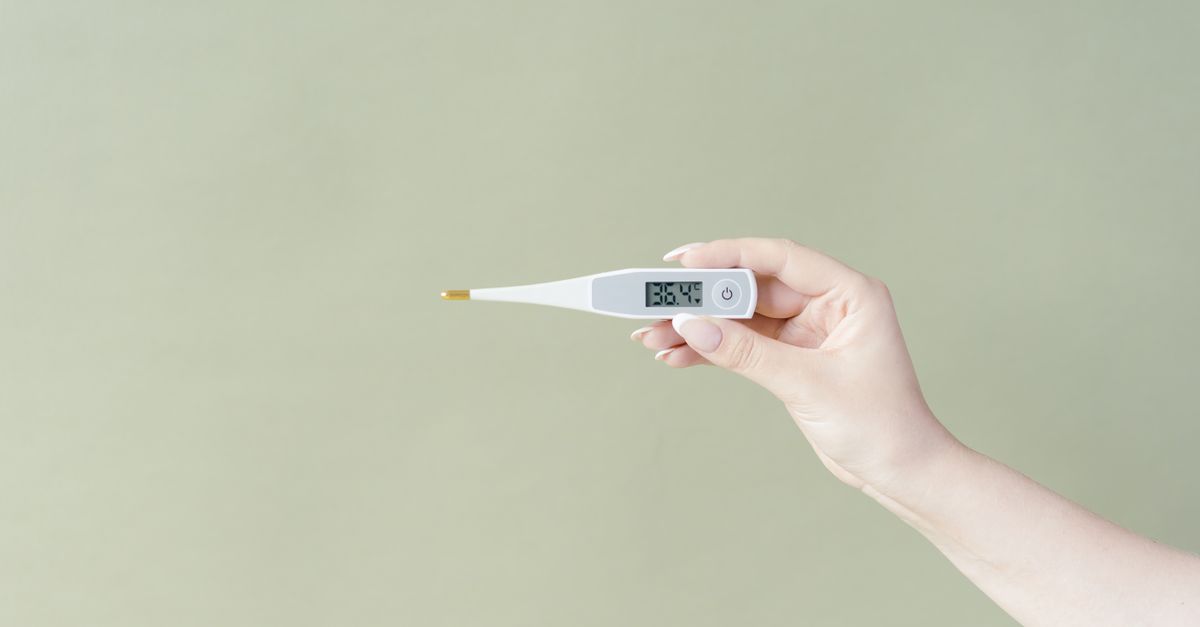
Digital thermometer to check for fever or hypothermia. Normal temperature for dogs and cats is 100.5–102.5°F. Anything outside that range means you’re calling the vet, but knowing the number helps triage over the phone with the emergency line. Use a rectal thermometer for accuracy; ear thermometers are unreliable in pets.
Disposable gloves to protect both you and your pet from contamination. Injured animals bite reflexively from pain, and open wounds need clean handling.
Tweezers or hemostats for removing splinters, ticks, or debris from wounds. Fine-tipped tweezers work for most situations; locking hemostats are better for embedded objects, but only if you’re trained to use them without causing more damage.
A muzzle or soft cloth for emergency restraint—but only for dogs, and only if you know how to apply it without restricting breathing. Injured animals bite. A stressed cat should go in a carrier, not a muzzle. If you’ve never muzzled a dog, practice before an emergency, or skip this entirely and use a thick towel for safe handling.
For bleeding and wound care
Styptic powder or cornstarch to stop bleeding from torn nails or minor cuts. Torn nails bleed dramatically and are among the most common injuries I’ve handled in foster care. Styptic powder (or plain cornstarch in a pinch) clots blood quickly when packed into the nail bed.
Saline solution or clean water for flushing wounds. Tap water is safer than many antiseptics—hydrogen peroxide damages healthy tissue and should not be used on deep or puncture wounds, according to AAHA emergency care standards. If the wound is dirty, flush it gently with saline or clean water, then get to the vet for proper cleaning and assessment.
Non-stick pads for covering wounds without adhering to raw tissue. Regular gauze sticks to blood and pulls the scab off when you remove it. Non-stick pads (like Telfa) protect the wound during transport to the vet.
A note on bite wounds: Do not rely on home first aid for bite wounds, even if they look small on the surface. Punctures from teeth drive bacteria deep into tissue and often require antibiotics and professional cleaning. Clean the area gently, cover it, and go to the vet. VCA Animal Hospitals is clear on this: bite wounds that look minor on the outside are often much worse underneath.
For toxin exposure and ingestion emergencies
Activated charcoal is NOT something to stock without vet guidance. It binds toxins, but it also binds nutrients and medications, and giving it at the wrong time or in the wrong dose can worsen outcomes. If your pet ingests something toxic, call ASPCA Animal Poison Control immediately at (888) 426-4435 or your emergency vet. They will tell you whether to induce vomiting, give activated charcoal, or come in now.
What you should have: The poison control number saved in your phone and written in the kit. The name and packaging of anything your pet might ingest (take a photo of the label—this saves critical time when the vet asks what they ate and in what concentration).
Do not induce vomiting unless a vet or poison control tells you to. Some toxins cause more damage coming back up. Xylitol, grapes, chocolate, certain essential oils, and many human medications are toxic to pets at doses that seem small. Time matters, but the wrong intervention makes it worse.
For safe transport to the vet
A sturdy carrier for cats and small mammals. An injured cat will bolt if given the chance, and trying to hold a panicked cat in a moving car usually ends with scratches and escape attempts. A carrier with a removable top makes it easier to get an injured animal inside. Keep a towel in the carrier—it gives them something to hide under, which reduces stress.
Thick towels or a blanket for wrapping an injured dog or for padding during transport. A dog in pain may snap; a towel lets you handle them safely. Towels also work for applying pressure to large bleeding wounds when gauze isn’t enough.
Emergency contact card clipped to the carrier or taped inside. If you’re in an accident on the way to the vet, first responders need to know there’s an animal in the car and who to call.
Storage, rotation, and species-specific pet safety preparedness
A kit that sits in the garage for three years is useless. Medications expire, gauze gets dusty, and you forget it exists. Store your kit in a labeled plastic bin or soft-sided bag in an obvious place—kitchen, entryway, or wherever you’d naturally look when panicking. Not the garage. Not the basement.
Set a calendar reminder to review the kit once a year. Check expiration dates, replace anything used, update your vet’s contact information if it changed. A kit loses a third of its usefulness if supplies are expired or inaccessible when you need them.
Species specificity matters. A dog kit and a cat kit overlap, but they are not identical. Cats stress-groom bandages off and need smaller sizes. Small mammals need gloves to reduce handling stress and species-specific carriers. Birds need towels for safe restraint, not muzzles. Reptiles and exotic pets require species-specific guidance—if you have an exotic pet, ask your vet what belongs in their emergency kit, because generic pet first aid advice does not cover them.
If you have multiple species, consider separate kits or clearly labeled sections. Under stress, you will grab the first thing you see. Make it the right thing.
When to skip first aid and go straight to the ER
First aid buys time. It does not diagnose. It does not heal. Here’s when the kit has done its job and you need a vet now, according to AVMA emergency preparedness guidance:
- Severe bleeding that doesn’t slow after 10 minutes of direct pressure
- Difficulty breathing, choking, or extreme distress
- Unconsciousness, collapse, or seizures
- Signs of shock: pale gums, rapid heartbeat, weakness, cold extremities
- Suspected poisoning or toxin ingestion
- Suspected fractures, severe lameness, or inability to stand
- Severe burns beyond superficial redness
- Eye injuries, sudden blindness, or eye trauma
- Inability to urinate or defecate (possible blockage—life-threatening)
- Any injury from being hit by a car or falling from height
For minor injuries—small cuts, torn nails, mild limping with no obvious break, insect stings without swelling at the throat—first aid stabilizes them, and you schedule a vet visit within 24 hours. For anything on the list above, the ER is not optional.
Frequently asked questions
How often should I replace supplies in a pet first aid kit?
Check the kit once a year. Replace expired medications, dried-out ointments, and any sterile supplies whose packaging has been compromised. Gauze and bandages last years if stored dry, but saline solution and styptic powder both expire.
Can I use human first aid supplies on my pet?
Some overlap exists—gauze, bandages, and saline are fine—but medications are not interchangeable. Human pain relievers like ibuprofen and acetaminophen are toxic to cats and dogs at standard doses. Human antibiotic ointments may contain ingredients unsafe for pets who lick wounds. Stick to pet-specific medications or get vet approval before substituting.
What should I do if my pet won’t let me treat them?
An injured pet in pain will bite, even if they’ve never bitten before. If you can’t safely handle them, wrap them gently in a towel for transport or get them into a carrier and go directly to the vet. Do not force treatment if it escalates their stress or puts you at risk. Your job is safe transport, not restraint.
Build the kit, label it, store it somewhere you’ll actually find it, and review it once a year. The goal is not a comprehensive medical setup—it’s a portable, organized kit that does two things well: stops bleeding and gets your pet safely to someone who can diagnose and treat them. For additional guidance, see recognizing pet shock and pet emergency transport.